In the dead of night, in the shadow of suburban homes, a quiet crisis unfolds—a crisis so pervasive, so searing, that its scars are too often ignored. It’s the story of the forgotten, the unseen: the domestic workers who scrub our floors, cook our meals, and care for our children. But behind their tireless work lies an underbelly of exploitation, a cycle of pain and resentment that breeds unimaginable cruelty.
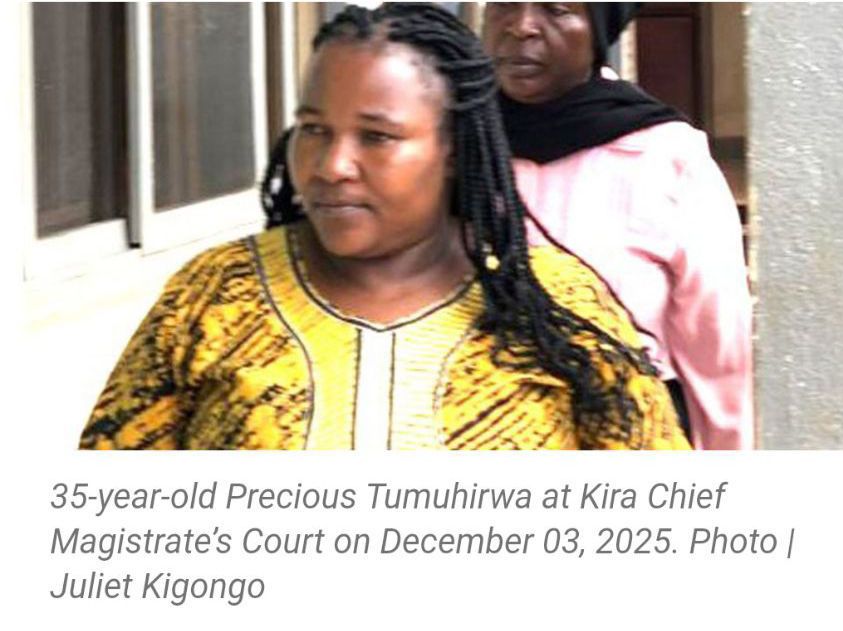
Imagine a child, no older than a toddler, helplessly crying out as a maid—someone entrusted with their safety—lashes out in violence. It isn’t fiction. It’s the stark reality of Uganda today. Jolly Tumuhiirwe, the maid filmed mercilessly torturing a toddler in 2014, became the face of a brutal phenomenon. Her face, twisted in anger, her hands raised to strike—captured in grainy footage that would haunt us forever. It was not just the horrifying sight of a child being brutalized. It was the image of a system so broken, it allowed this cruelty to flourish in the first place.
Tumuhiirwe’s vile act was far from an isolated incident. In 2017, Juliet Nanyonjo, another maid, was caught on camera strangling a six-month-old infant she was hired to look after. The infant’s desperate gasps for air were a harrowing cry for help from a child unable to protect themselves from the violence of someone whose very job was to nurture and care. This was not an isolated act of brutality; this was the outcry of a broken system, where the emotional toll on domestic workers pushed them to lash out at the most vulnerable—children who had no voice, no power.
But why do these workers, often women themselves, turn to such extremes? Why is it that some—just a few—feel the need to vent their anger and frustration on children? To truly understand this, we must peel back the layers of systemic failure that lead to these horrors.
A System That Breeds Violence: How Abuse is Manufactured
At the core of this problem lies a system that has long neglected the rights and humanity of domestic workers. These women—many of them mothers, daughters, and sisters—are tasked with the most sensitive of duties: caring for our families. Yet, their labor is often undervalued, their working conditions unbearable, and their voices silenced.
Imagine working 12 to 16 hours a day, with no set break, no proper compensation, and no respect. Picture living in overcrowded, unkempt quarters, with no privacy or dignity. And for those who dare speak out, the threat of being replaced by another desperate soul looms large. This is the grim reality for many domestic workers. They are often invisible—seen only as tools to be used and discarded at will.
And when their bodies and spirits are worn thin by exhaustion and mistreatment, it is the children who bear the brunt of their anger. Those innocent beings, who trust in the adults around them, become the objects of misplaced rage. When a maid tortures a child, it is not just an individual act of cruelty—it is the product of years of exploitation, neglect, and emotional trauma. Workers who are constantly under pressure, constantly treated as subhuman, inevitably break. The violence is not a reflection of their inherent nature but a symptom of a broken system that has pushed them to the edge.
The Minimum Wage Debate: A Dead End for Reform
The absence of a minimum wage in Uganda is more than just a legal issue—it’s a crisis in human dignity. Domestic workers are paid a pittance for the backbreaking work they perform. Often, they receive far less than a living wage, and their hours are unregulated. This leaves them vulnerable not only to economic exploitation but also to psychological and emotional abuse. With little hope of earning a decent living, many domestic workers are forced to stay in situations that drain them of their energy, their spirit, and their will to continue.
The Employment Bill, which was meant to address this issue, has been languishing in Parliament for years. Despite proposals for minimum wages, regulated working hours, and better working conditions, the bill has failed to pass into law. This failure is not just a legislative oversight; it is a moral failure—a failure to protect the most vulnerable members of our society.
Without a legal framework that guarantees fair wages and basic protections, domestic workers are left at the mercy of their employers. And when an employer turns a blind eye to their well-being, or worse, exploits them for financial gain, the worker becomes a ticking time bomb—her anger and frustration building to a breaking point. The result is often tragic.
How Other Jurisdictions Have Tackled the Issue
The abuse of domestic workers is not a problem unique to Uganda. Countries around the world have struggled with similar issues, but many have taken significant steps to address the systemic exploitation of domestic workers. And while no system is perfect, these reforms serve as a reminder that change is not only possible—it is necessary.
1. The Philippines: As one of the largest exporters of domestic labor, the Philippines has long grappled with issues of abuse against domestic workers. In response, the country passed Republic Act No. 10361 (the Domestic Workers Act), which provides protections for workers, including fair wages, regulated working hours, and the right to safe working conditions. This law also mandates that workers receive at least one day off per week, paid holidays, and protection from abuse.
2. United Arab Emirates (UAE): The UAE has a significant population of migrant domestic workers, many from Southeast Asia and Africa. In 2017, the UAE introduced the Domestic Workers Law, which provides workers with a minimum wage, regulated hours, and protections against physical and verbal abuse. The law also requires that workers’ salaries be paid on time, and that they receive rest periods during their shifts.
3. South Africa: In 2013, South Africa passed the Basic Conditions of Employment Act (BCEA), which extended labor protections to domestic workers. This legislation set limits on working hours, mandated paid leave, and established a minimum wage for domestic workers. This law has been a landmark victory in the fight for labor rights, ensuring that domestic workers are no longer treated as second-class citizens.
4. Brazil: In Brazil, the Domestic Workers’ Law of 2013 was a groundbreaking reform that extended labor protections to domestic workers. This law guarantees workers the right to a minimum wage, paid leave, overtime pay, and a regulated workweek. It was a significant step forward in recognizing the rights of domestic workers and ensuring their dignity and well-being.
These examples show us that meaningful reforms are not only possible—they are essential. By enacting similar laws in Uganda, we can begin to create a system that values domestic workers, protects them from abuse, and provides them with the dignity they deserve.
ILO’s Role and International Legal Framework
Uganda is a signatory to several international treaties that address the rights of domestic workers. Among these is the International Labour Organization (ILO) Convention No. 189 on Domestic Workers, adopted in 2011. This treaty sets out comprehensive labor rights for domestic workers, including the right to decent working conditions, protection from abuse, and the right to fair pay. It requires member states to implement laws that regulate working hours, establish minimum wages, and provide protections against exploitation.
Uganda, like many countries, has yet to fully integrate these protections into its national laws. While the Employment Bill has been proposed, the failure to enact it into law leaves domestic workers vulnerable to mistreatment and exploitation. The ILO Convention No. 189 calls on governments to ensure that domestic workers enjoy the same rights as other workers, and Uganda must live up to these obligations.
The Universal Declaration of Human Rights also provides a framework for protecting the dignity and rights of all workers, including domestic workers. Article 23 of the declaration states that everyone has the right to work in favorable conditions, receive equal pay for equal work, and enjoy the right to rest and leisure. Uganda must heed these global standards and enact reforms that protect domestic workers from abuse and ensure that their labor is properly valued.
Empathy Over Abuse: How We Can Break the Cycle
The cycle of abuse must end. But to break it, we must address the root causes. We must recognize that domestic workers are not disposable. They are not invisible. They are human beings deserving of the same rights, the same respect, and the same protections as any other worker.
To the employers of Uganda: How long will we continue to dehumanize the very individuals who care for our children, cook our meals, and clean our homes? How long will we let the vulnerability of these workers be exploited for our benefit? Empathy cannot be an afterthought. It must be the foundation of our treatment of domestic workers. They are not machines to be used and discarded. They are women, mothers, daughters, sisters. Their pain is real, their anger justified. When they lash out, it is because they have been ignored for far too long. The time for kindness, respect, and justice is now.
To Hon. Betty Amongi, the Minister of Gender, Labour and Social Development, and the Parliament of Uganda: The time to act is now. The Employment Bill must no longer be allowed to gather dust in the corridors of Parliament. We demand that this bill be passed into law, that it provide a minimum wage, regulated working hours, and comprehensive protections for domestic workers. If we continue to let these workers be exploited, we are complicit in their suffering. The stories of maids breaking down, of children tortured, of lives shattered, will not fade. They will only grow louder. **
About Author.

The Author is a Rule of Law enthusiast, an Advocate of the Courts of Judicature and a believer in progressive realization of full enjoyment of social, political and economic rights by all peoples.
DISCLAIMER:
All information here is only intended to provide information and to spark public discourse on the subject. No part of this Blog Post is intended to be used as Legal Advice. The author accepts no responsibility for any loss or injury arising from the use of the information contained in this post as Legal Advice. Readers are strongly encouraged to consult with a qualified attorney in their areas of Jurisdiction for situation specific advice and appropriate course of action.
If you find this Blog interesting, please like, comment and share with your friends and colleagues on your favorite social media platforms.
Do you have a development that you feel needs a discussion? Or do you have any feedback for us? Please reach out to us on ambrosenen@gmail.com or mobile +256789856805.
 enenlegalworld