Category: Politics

  • Mugambe’s Fall: A Clash of Legal Systems and the Struggle Between Impunity and Accountability

    Mugambe’s Fall: A Clash of Legal Systems and the Struggle Between Impunity and Accountability


    Uganda’s legal system has long been a fortress of impunity. For decades, it has survived every attempt at reform—not by improving, but by dismantling anyone who dares to fix it.

    Enter Isaac Ssemakadde, Uganda Law Society (ULS) President.

    His mission? To drag the legal profession out of the mud, rebuild public trust, and hold the entire system accountable.

    His first strike? Kicking the Attorney General off the ULS Governing Council. Why? Because how does a government’s top lawyer sit in the governing body of an institution meant to be an independent watchdog? It was a classic case of conflict of interest, and Ssemakadde terminated it.
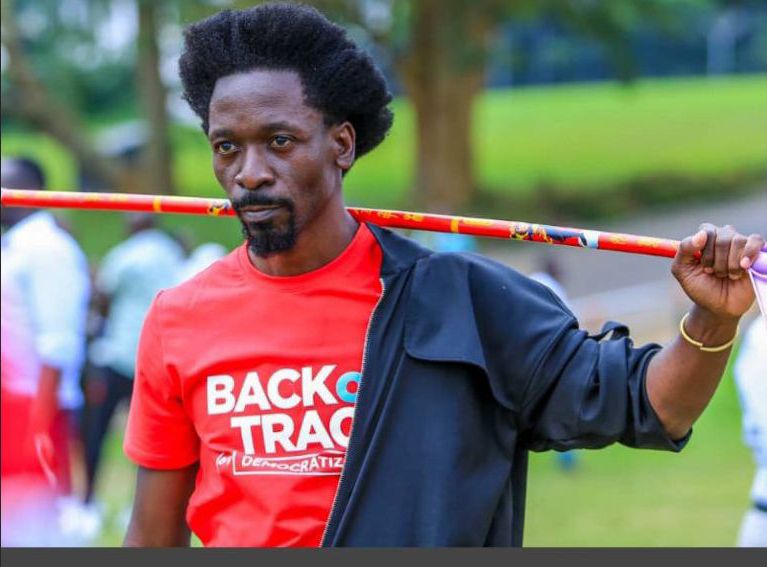
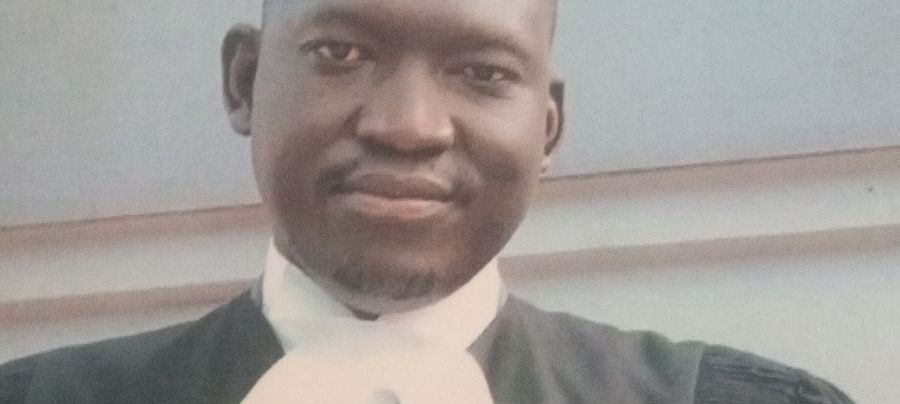
    Image: Isaac K Ssemakade. Photo Credit: Insight Post Uganda


    His second move? Recalling all unelected ULS representatives to the Judicial Service Commission (JSC)—a body meant to discipline errant judges. For too long, these positions had been filled by handpicked placeholders who were cozy with the very Judiciary they were supposed to regulate.

    Then, the nuclear option—a ULS-led Public Commission of Inquiry into the entire Bench.

    That was the moment the Judiciary declared war.

    A full-scale investigation into judicial corruption, impunity, and accountability? The Judiciary saw what was coming—a public trial of the very system that has shielded the powerful for decades.

    And so, they struck first.

    A High Court Judge—who, it has been reported, was allegedly involved in sexual harassment allegations—injuncted the entire process and had Ssemakadde convicted of contempt of court with a two-year jail sentence.

    Yes, you read that right.

    A judge in a case where he was allegedly the victim, presiding over a trial that could expose him, convicted the man leading the movement for reform.

    The Judiciary had gone into full-blown self-preservation mode.

    And while Uganda’s legal system was busy eating its own, something very different was unfolding in the UK.

    A Ugandan judge—Justice Lydia Mugambe—was convicted.

    And suddenly, Uganda got a front-row seat to what real judicial accountability looks like.

    No judicial gymnastics. No vanishing case files. No presidential interference.

    Just a judge facing the law like any other citizen.

    And here’s the real kicker—the UK wasn’t just convicting a judge.

    They were sending a message.

    Uganda’s human rights record had rotted beyond acceptable limits.

    Opposition National Unity Platform (NUP) supporters were reportedly tortured, arbitrarily detained, and held without trial. The UK had already slapped sanctions on key Ugandan officials. And now, Uganda’s backdoor diplomatic channels in London were reportedly frozen.

    Word on the street? NUP had played quiet but strategic backdoor diplomacy, exposing Uganda’s entrenched impunity to the UK foreign office—and the UK listened.

    This wasn’t just about Mugambe.

    It was Uganda being held accountable—one way or another.

    Because in Uganda, justice serves the powerful. In the UK, it serves the law.

    And so, as Judge Mugambe awaits sentencing on May 2nd, 2025, we extend our best wishes.

    Not because of what she did or didn’t do, but because this entire mess is a reflection of a broken system back home.
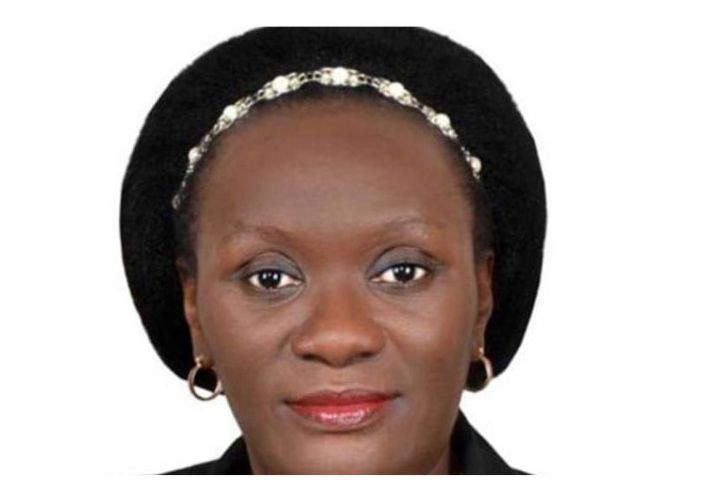
    The Hon. Lady Justice Lydia Mugambe. Photo Credit: Daily monitor


    To all who still believe in the Rule of Law—even as the system crushes them—we see you.

    To the ULS candidates still battling for election to represent ULS to the JSC—who have outspent resources in what was supposed to be a simple election, but turned into a never-ending war—hold strong.

    The Judiciary stalled the election, an appeal halted the process, and yet—hope refuses to die.

    Because one day, impunity will fall.

    And when it does, it won’t be because of backroom deals.

    It will be because of the fearless ones—those who refused to let injustice win.

    And when that day comes, we won’t just be telling the story. We will be living it.

    Disclaimer:
    The views expressed in this blog are based on publicly available reports and sources. Allegations mentioned are unverified and are referred to as they have been reported. This post is an opinion piece aimed at encouraging dialogue and reflection on the issues discussed. The cases mentioned are subject to ongoing legal processes and investigations, and the information presented is intended for general awareness rather than legal conclusions.

    More about the author on the about Page.

    Do you have stories in your community that we should Blog about, or do you have comments to help us improve on our delivery?,  please feel free to reach out to us through our address which is on the about Page
  • BANG! MILITARY COURTS FOR CIVILIANS ARE DEAD—THE SUPREME COURT JUST DROPPED THE HAMMER, AND THE RADICAL NEW BAR LIT THE FUNERAL PYRE!

    BANG! MILITARY COURTS FOR CIVILIANS ARE DEAD—THE SUPREME COURT JUST DROPPED THE HAMMER, AND THE RADICAL NEW BAR LIT THE FUNERAL PYRE!

    The Supreme Court has spoken. The revolution has won. The military courts are finished. It took 25 years of legal battles, endless delays, and the relentless fire of Uganda’s most radical legal minds, but justice has finally arrived. And when it came, it wasn’t subtle. It came with the full force of the Constitution, a gavel so loud it could shake the foundations of every military courtroom still pretending to be a temple of justice.

    This is not just a legal victory; it is a demolition job on a long-standing abuse of power. It is the final nail in the coffin for a system that has for decades terrorized civilians, dragging them before military tribunals as if they were rogue soldiers, silencing dissent under the guise of national security. And the Supreme Court? Oh, the Supreme Court delivered its judgment with flair, with humor, and with the kind of clarity that leaves no room for debate.

    Chief Justice Owiny-Dollo, ever the master of courtroom theatre, laid it all bare in ways that had the entire legal fraternity both laughing and nodding in agreement. Imagine a Uganda where he, a civilian, is picked to lead a military brigade to guard the war-torn eastern border with the DRC. Imagine him, clad in combat gear, barking orders to soldiers while probably asking them which way to point a gun. Or worse—picture him in a hospital theatre, standing over an unconscious patient, scalpel in hand, completely clueless about whether he’s holding a kidney or a liver. Madness, right? Exactly. That, he said, is the absurdity of putting untrained military officers in charge of dispensing justice.

    This was the point where even the most rigid courtroom observer had to chuckle. But beneath the humor was a devastating truth: military courts are tribunals run by people without the first clue about judicial procedure, yet they have spent years presiding over cases, handing down life sentences and convictions like they were distributing rations at a military mess. The Chief Justice didn’t mince his words. The Constitution was clear, and so was the Court—military justice is for military personnel, period. Civilians have no business being tried there.

    And yet, as the judgment was delivered, there was another remarkable moment. Counsel Caleb Alaka, one of Uganda’s legal firebrands, stood up and did something few saw coming—he apologized. On behalf of the Uganda Law Society, he expressed regret for the extreme activism, the relentless pressure, the public letters, the weekly legal firebombs the Radical New Bar had been hurling at the Supreme Court, demanding action. The judges listened, some perhaps amused, others with the quiet satisfaction of warriors who had just emerged victorious in a long and bloody intellectual battle.

    The apology was sincere, but let’s be honest—this war was necessary. The Radical New Bar, under the fearless and uncompromising leadership of Isaac K. Ssemakadde, fought like hell to make this ruling happen. The legal establishment had long grown too comfortable, too resigned to waiting indefinitely for judgments while civilians continued to be dragged before military tribunals. The RNB was having none of it. Weekly press conferences, legal activism so sharp it cut through the silence, direct challenges to judicial inertia—this was lawfare at its finest. And in the end, the pressure worked.

    The judgment is now out, and the message is clear: no more military courts for civilians. No more kangaroo justice. No more legal intimidation. If the army wants to try someone, that person better be wearing a uniform. Otherwise, they belong in the courts of law established by the Constitution. And for those still clinging to the old ways, still hoping that military justice can be used as a tool of fear and suppression? Pack up your case files. Your era is over.

    For the Uganda People’s Defence Forces, the ruling leaves no room for negotiation. Civilians currently facing trial in military courts must be released. Every ongoing case must be dropped. Any attempt to defy this ruling will not just be illegal—it will be suicidal. The ULS and the RNB are watching. The Supreme Court is watching. And the Ugandan people, tired of impunity, will not tolerate another second of this nonsense.

    Parliament? Time to clean house. The UPDF Act needs to be amended—immediately. Those loopholes that allowed military courts to overstep their jurisdiction must be sealed permanently. No more ambiguity, no more exploitation of civilians through legal gymnastics. This ruling has set the standard, now it’s up to lawmakers to ensure the law reflects it. And the Executive? The President, the Attorney General, the Director of Public Prosecutions—they need to act. Not tomorrow, not next week. Now.

    For those who still think this is just another ruling, another judgment to be ignored or manipulated—think again. This is the beginning of a new era. The days when military courts were used as tools of intimidation are gone. The days when civilians had to fear being hauled before unqualified military judges who don’t know the difference between fair trial rights and a parade drill are gone. This is what victory looks like.

    Uganda’s legal profession will never be the same. The Supreme Court has reaffirmed its place in history. The Radical New Bar has cemented its reputation as the most effective force for legal accountability in modern Uganda. And the Constitution? It has won. The rule of law has won. Justice has won.

    The revolution is here, and it has no brakes.

    A copy of the Judgment can be found here

    The statement of the Uganda Law Society welcoming the Judgment can be found here

    Enen Ambrose is a Rule of Law enthusiast and a supporter of the firebrand president of the Uganda Law Society, Isaac K Ssemakade.

    Disclaimer: This write up is for informational purposes only and should not be taken as a substitute for professional legal advice. Readers are advised to seek the services of a qualified attorney in their area of Jurisdiction for situation specific legal advice and course of action.

    Do you have a story in your community that sheds light on the Rule of Law discourse that you want us to discuss about? Or do you have valuable constructive feedback for us?

    Please reach out to us on, ambrosenen@gmail.com or +256789856805

  • Reflections of the Uganda Law Council’s Refusal to License Martha Karua

    Reflections of the Uganda Law Council’s Refusal to License Martha Karua

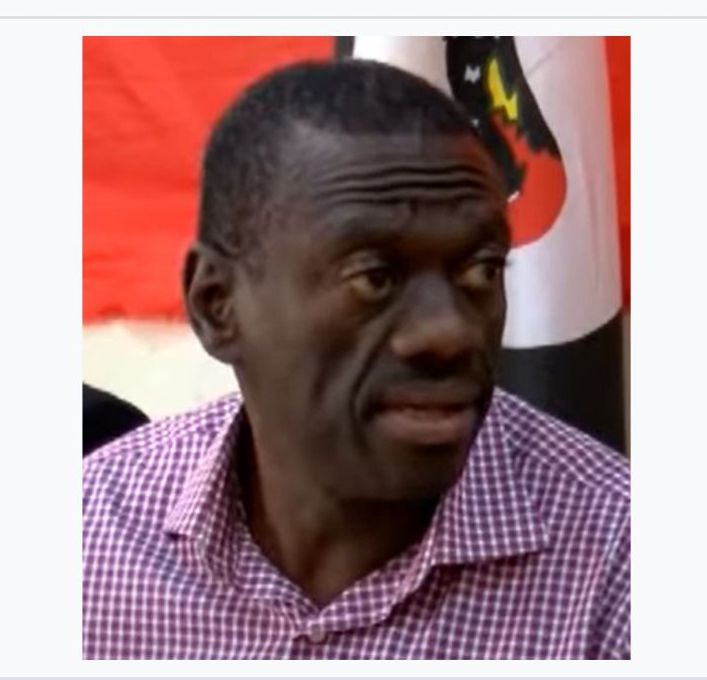
    Rtd Col. Dr. Kiza Besigye. Photo credit: Wikipedia


    The refusal by the Uganda Law Council to grant Martha Karua, a distinguished Senior Counsel from Kenya, a temporary practicing license to represent Dr. Kizza Besigye in his ongoing trial before Uganda’s General Court Martial has raised significant concerns in my mind about Uganda’s legal system, regional cooperation, and political interference. In this post, I will break down my perspective on why this decision is problematic, critiquing the reasons provided by the Law Council and exploring the broader implications it has for both Uganda and the East African Community (EAC) at large.

    Background Context: The Case of Dr. Kizza Besigye

    Dr. Kizza Besigye, one of Uganda’s leading opposition figures, was invited to Nairobi by Martha Karua for a book launch. During this event, Besigye was allegedly found with a firearm in his hotel room, which led to his controversial extradition back to Uganda. This case is more than just a legal matter; it raises important issues surrounding Kenya’s sovereignty, extradition laws, and the treatment of political figures within the region. Besigye’s trial before the General Court Martial has been heavily scrutinized, especially in light of the Supreme Court’s recent stay of a ruling by the Constitutional Court in the case of Michael Kabaziguruka v. Attorney General (Constitutional Petition No. 45 of 2016), which had declared that military courts in Uganda have no jurisdiction to try civilians.

    The refusal to grant Karua a temporary license, made by the Uganda Law Council, appears to be a politically charged decision, occurring against the backdrop of these ongoing legal and political tensions. As a legal professional, I find this decision troubling, particularly when considering the broader implications for regional integration and the rule of law in Uganda.


    The Reasons Cited by the Law Council for Denial

    The Uganda Law Council gave several reasons for denying Martha Karua a temporary license to practice law in Uganda for Besigye’s defense. Let’s examine these reasons critically and reflect on the potential political undertones and legal inconsistencies involved.

    1. Lack of Notarized Documents
    The Law Council argued that Karua’s application was incomplete because it lacked notarized copies of her practicing certificate, a letter of good standing, nationality documents, and academic qualifications.

    My View: This is a procedural issue that could have been easily remedied. Rather than outright denying the application, the Law Council could have requested the missing documents or offered Karua an opportunity to rectify the deficiencies. This decision to deny her based on minor technicalities rather than facilitating her compliance reflects poor administrative practice. A lawyer of Karua’s stature should not be obstructed by such minor procedural issues.


    2. Absence of a Valid Practicing Certificate for Erias Lukwago
    Another reason cited for the refusal was that Karua’s local sponsor, Erias Lukwago, did not have a valid practicing certificate. This was apparently a reason for not processing the application.

    My View: The idea that Karua’s application should be rejected because Lukwago did not provide a valid practicing certificate is misguided. Upon reviewing the Judiciary website, it is clear that Erias Lukwago has an active practicing certificate for 2024. The Law Council could have simply verified this information rather than using this as a reason to deny Karua’s application. The failure to make such a simple verification indicates either an oversight or an intentional attempt to complicate the process. This was an avoidable technicality that should not have been used as grounds for denial.


    3. No Special Expertise Brought by Karua
    The Law Council claimed that Karua did not bring any special skills that Uganda’s legal community lacked, suggesting that her involvement in the case was unnecessary.

    My View: This argument is deeply problematic. The client has a fundamental right to choose their lawyer, and Karua’s expertise was specifically sought by Dr. Besigye. Her representation was not about fulfilling some special legal need that Ugandan lawyers couldn’t address but rather about providing the client with a lawyer of their choice. This rationale dismisses the right of a person to have the legal representation they feel is best suited to their case. The Council’s argument undermines not only Besigye’s right to choose but also the principles of justice and fairness.


    4. Political Undertones
    The Law Council expressed concerns about the political nature of the case, suggesting that Karua’s involvement was motivated by politics, given her association with Besigye and her public stance as an advocate for democracy and human rights.

    My View: This is where I find the decision most troubling. The role of the Law Council is not to pass judgment on the political affiliations of individuals involved in legal proceedings but to ensure that justice is served. Karua’s political opinions or affiliations should have no bearing on the decision to allow her to practice temporarily. The Council’s decision seems to be a veiled attempt to politically sideline a lawyer based on her association with a political opponent of the government. This kind of interference in legal matters not only compromises the integrity of the Law Council but also undermines the fairness of the trial itself.


    5. Conduct Before Approval
    Karua was accused of “holding out” as an advocate before her application had been approved, due to her presence at the court proceedings.

    My View: Karua made it clear that she was attending the proceedings as a visiting jurist awaiting approval. She did not mislead the court or claim to be practicing without a license. The accusation seems to be an exaggeration, designed to discredit her professional integrity. This accusation, made without substantiation, adds to the sense that the Law Council was looking for any excuse to deny her application.


    6. Logistical Constraints of the Law Council
    The Law Council mentioned that it could not expedite the application process due to its members’ full-time commitments in other roles, making it difficult to process Karua’s application on time.

    My View: This is a failure of institutional management rather than a valid reason to deny an application. If the Law Council is unable to manage the process in a timely manner, it speaks to the need for reform within the institution. A delay caused by the Council’s own logistical constraints should not serve as a reason to deny an individual the right to practice law in Uganda, especially in a case of such significance.


    The Double Standards of the Law Council

    One of the most glaring inconsistencies in this case is the selective application of the Law Council’s rules regarding foreign lawyers. Historical precedents show that the Council has granted temporary licenses to foreign lawyers when it suits the political interests of the government. For instance:

    John Khaminwa, a Kenyan lawyer, was allowed to represent President Museveni in a high-profile election petition before the Ugandan Supreme Court in 2001.

    Jim Gash, an American lawyer, was granted a temporary license to represent a client in Uganda, working on juvenile justice reform.


    These instances clearly demonstrate that the Law Council is capable of granting temporary licenses to foreign lawyers when it is politically convenient. However, when it comes to a case involving a prominent opposition figure like Dr. Besigye, the same flexibility is not applied. This selective approach casts doubt on the impartiality of the Law Council and raises questions about whether political considerations played a role in the denial of Karua’s application.


    The Regional and International Implications

    The refusal to grant Karua a temporary practicing license also raises important questions about Uganda’s commitment to regional integration. The East African Community (EAC) Treaty and its protocols, including the Mutual Recognition Agreement (MRA), emphasize the free movement of professionals across member states, including legal practitioners. By denying Karua’s application, Uganda is in direct contradiction of these commitments, which could harm the spirit of regional cooperation that the EAC seeks to foster.

    Uganda’s actions appear to undermine the EAC’s goal of facilitating the free movement of labor and professional services. This decision is particularly paradoxical given President Museveni’s strong advocacy for regional integration. If Uganda continues to place political barriers in the way of legal professionals from other EAC member states, it risks isolating itself from the very integration processes that Museveni has long championed.


    The Uganda Law Society’s Advocacy for Reform

    In response to the Law Council’s decision, the Uganda Law Society (ULS) has rightly condemned the denial of Karua’s application as per incuriam—legally flawed. The ULS has also called for reforms to ensure that such decisions are made impartially, without political interference. Some members of the ULS have even gone so far as to advocate for the abolition of the Law Council altogether, citing its growing susceptibility to political pressure and inefficiency in handling applications for foreign lawyers.

    I fully support this call for reform. The Law Council, and indeed all legal institutions, must operate with full independence, free from political influence. The integrity of Uganda’s legal system depends on the ability of lawyers to perform their duties without fear of political repercussions. The Law Council’s decision in Karua’s case demonstrates the need for urgent reform to ensure that legal institutions are better equipped to serve the principles of justice impartially.


    My Call for Reform and Conclusion

    In conclusion, the Uganda Law Council’s decision to deny Martha Karua a temporary practicing license is not just a legal misstep but also a reflection of broader issues within Uganda’s legal system. The refusal to grant the license based on procedural technicalities, political undertones, and double standards casts doubt on the impartiality and fairness of the decision-making process. Furthermore, it contradicts Uganda’s commitments to regional integration and the free movement of professionals within the East African Community

    About author:

    ENEN AMBROSE

    The author is a Rule of Law enthusiast working at M/S Okurut-Magara Associated Advocates in the up country Town of Adjumani.

    DISCLAIMER: all information in this blog is for general knowledge and educational purposes and is not intended to provide legal advice. Readers are encouraged to seek qualified attorneys in their areas of Jurisdiction for situation specific legal advice and courses of action.

    Contact us:

    Mobile, 0789856805

    ambrosenen@gmail.com.