Tag: Democracy

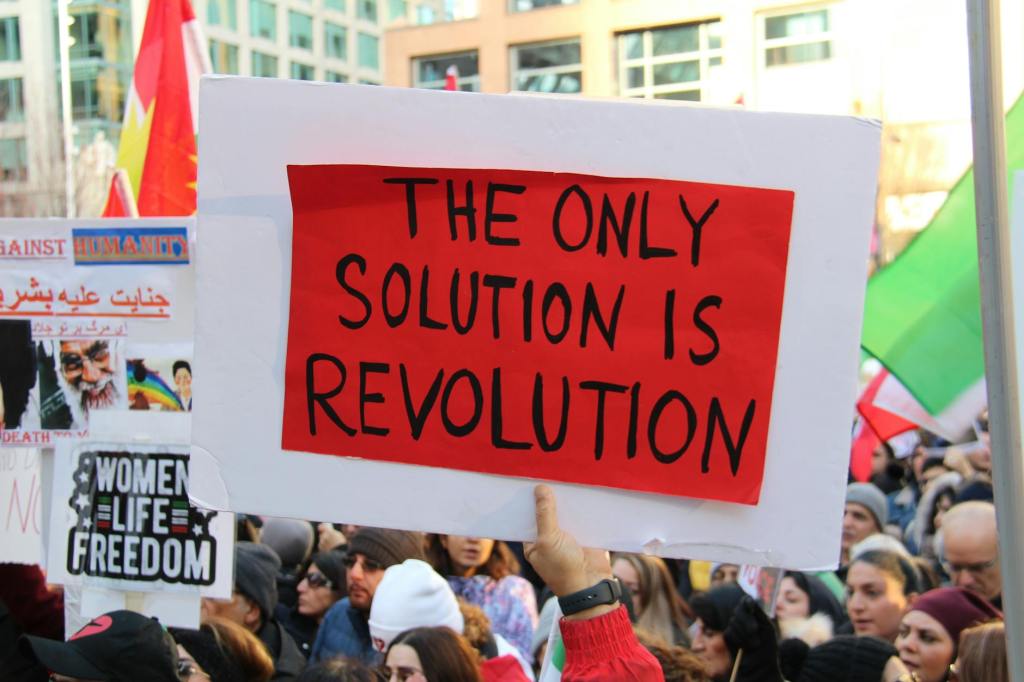
  • Safeguarding the Revolution: My Perspective on President Isaac K. Ssemakadde and the Radical New Bar

    Safeguarding the Revolution: My Perspective on President Isaac K. Ssemakadde and the Radical New Bar

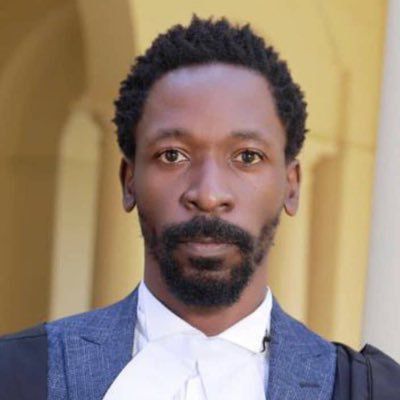
    Credit. Isaac Ssemakade, profile photo on X (formerly Twitter)

    As an observer of the Uganda Law Society (ULS) and a proponent of transparency, fairness, and integrity within the legal profession, I find myself deeply aligned with the vision of President Isaac K. Ssemakadde. His leadership has been a crucial turning point for the ULS, not only through structural reforms but also by ensuring that individuals representing the Society, particularly in influential bodies like the Judicial Service Commission (JSC), meet the highest standards of moral character and constitutional integrity.

    Through his missives and public critiques, Ssemakadde is safeguarding a revolution—one that seeks to restore democratic principles, uphold the rule of law, and demand that those in leadership roles within the ULS and beyond exemplify high moral standing. I believe that in his recent actions, particularly his response to the election candidates for the JSC, Ssemakadde is doing much more than critiquing individuals—he is defending the integrity of the Radical New Bar.

    The Radical New Bar: A Vision for a Just and Transparent Legal Profession

    Ssemakadde’s vision, the Radical New Bar, reflects an urgent need for reform within the ULS, especially in its representation and governance structures. When he took office, it was clear that internal democracy had long been sidelined, leaving members with limited influence over key decisions. The Radical New Bar seeks to reverse this trend by ensuring that the ULS becomes an organization that truly listens to its members and works in the best interest of justice, transparency, and accountability.

    For me, the essence of the Radical New Bar is this: we cannot expect a society that represents justice if its leaders and representatives do not embody the principles of fairness, integrity, and moral strength. Ssemakadde’s actions demonstrate that the ULS should not merely be an institution concerned with professional development but a leader in ensuring democratic representation and ethical conduct.

    My Take on Regulation 17(5): A Necessary Safeguard for Electoral Integrity

    One of the more contentious aspects of the ULS Election Regulations is Regulation 17(5), which restricts media campaigns during elections to closed ULS groups. Critics argue that this regulation stifles freedom of expression by limiting candidates’ ability to campaign publicly. However, in my view, Regulation 17(5) plays an essential role in preserving the integrity of the election process.

    I believe that the primary function of the ULS election is to determine the best candidates based on their professional qualifications and commitment to the rule of law—not based on their ability to manipulate public opinion through media campaigns. Ssemakadde’s recent presser, condemning unauthorized media promotions that aimed to influence the election results, aligns with the intent of Regulation 17(5). In his actions, he is not only safeguarding the election’s fairness but also upholding the professionalism that should define the ULS elections. By ensuring that candidates are evaluated on their merits rather than their media presence, Ssemakadde is, in my view, defending the Radical New Bar against the dangers of external influence.

    In this light, Regulation 17(5) ensures that the focus of the election remains within the ULS community, allowing for a more substantive and focused campaign. For me, it’s a safeguard that ensures fair representation—a vital piece of the Radical New Bar’s broader vision.

    The Yasin Sentumbwe and Simon Semuwemba Case: Safeguarding Fairness and Justice

    Another example of Ssemakadde safeguarding the revolution lies in his defense of Yasin Sentumbwe and Simon Semuwemba, two students expelled from Uganda Christian University (UCU) in 2016 for leading protests against a tuition fee hike. The students were expelled without a fair hearing, and the Mukono High Court subsequently ruled that the university had violated their rights to natural justice. The Court reinstated the students and awarded them Shs 20 million in damages.

    In this context, when Ssemakadde publicly critiqued Dr. Kakooza for his role in the unlawful expulsion of the students, he was doing more than protecting individual rights. He was protecting the integrity of the ULS by calling out those whose actions fail to meet the constitutional muster for leadership. For me, this was a critical moment in safeguarding the revolution, ensuring that those who represent the ULS in positions of power, such as the JSC, must demonstrate an unwavering commitment to justice and fairness.

    Pheona Wall: The Stifling of Internal Democracy

    Ssemakadde’s critique of former ULS President Pheona Wall also serves as an example of him safeguarding the revolution. During Wall’s presidency, Ruth Sebatindira and Nora Matovu Winyi were nominated to the Judicial Service Commission, but their nominations were met with internal resistance from within the ULS Council. Specifically, Amolo Shamim, the Northern Uganda Representative during Francis Gimara’s presidency, publicly protested the nominations and expressed concerns about the lack of consultation anFor Ssemakadde, Wall’s actions represented a failure to respect internal democracy. Her nomination bid was nothing less than hypocrisy and double standards.

    Ssemakadde’s critique is, for me, an important reminder that leadership in the ULS should be inclusive, transparent, and responsive to the needs and views of its members. By calling out Wall’s failure to engage with internal opposition, Ssemakadde ensured that the Radical New Bar did not slip back into the undemocratic practices of the past.

    Ssemakadde’s Legacy: A Leader for Integrity

    Through his missives, public critiques, and his commitment to ensuring that only those with high moral standing and proven integrity are allowed to represent the ULS in influential roles, President Ssemakadde is safeguarding the revolution. His work is not only about structural reforms; it is about ensuring that the Radical New Bar remains true to its core principles of justice, accountability, and moral integrity.

    As we look toward the 17th December, 2024 ULS elections for our representatives to the Judicial Service Commission, I believe that the path Ssemakadde has laid will lead to a stronger, more transparent ULS—one that is rooted in democratic values and constitutional integrity. The Radical New Bar is not just a vision for reform; it is a movement for change that calls on all ULS members to take ownership of the future of Uganda’s legal profession.

    In his missives, Ssemakadde is not simply criticizing individuals; he is protecting the gains of the Radical New Bar Revolution and the integrity of the ULS, ensuring that it remains a beacon of justice, and a force for fairness in Uganda’s legal landscape. Through these efforts, Ssemakadde is laying the groundwork for a legal community that can lead the way in accountability, integrity, and the rule of law. This is the future of the ULS—a future shaped by the Radical New Bar, one that will thrive in an environment of justice and democratic engagement.

    About the author.
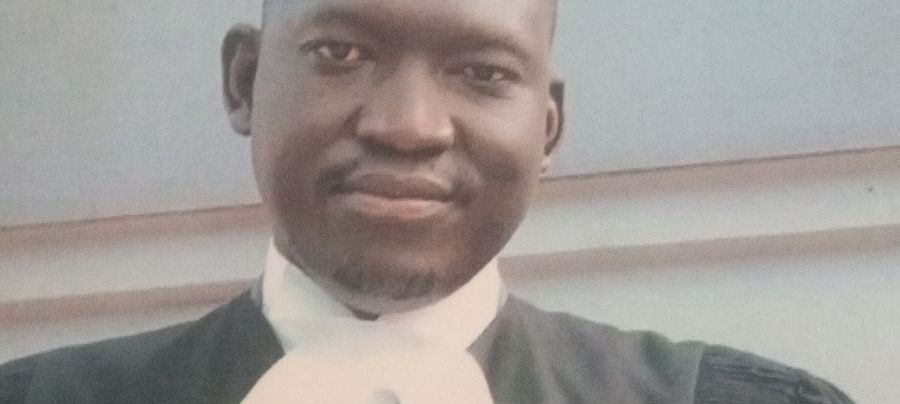
    The author is a rule of Law enthusiast and a huge fan of President Isaac Ssemakade, the current President of the Uganda Law Society.

    Contact us:

    +256789856805

    ambrosenen@gmail.com
  • Untitled post 35

    A Moment of Reckoning: The Constitutional Crisis and Rise of Dictatorship at the Uganda Law Society


    The sudden expulsion of Isaac Ssemakadde as President of the Uganda Law Society (ULS) has triggered intense reflection within Uganda’s legal fraternity. This controversial move raises profound questions about the legality of his removal, the ethical implications of his leadership style, and the broader institutional challenges facing the ULS. At its core, the situation reveals tensions between professionalism, governance, and the external pressures that shape such decisions.

    This moment is a reckoning for the ULS, a professional body tasked with safeguarding the rule of law and justice. How the society navigates this crisis will define its integrity, independence, and democratic principles moving forward.


    I. The Controversial Leadership of Isaac Ssemakadde

    Isaac Ssemakadde’s tenure at the ULS was marked by bold decisions aimed at reforming the society and addressing systemic flaws in Uganda’s justice system. Key actions included:

    1. Expelling the Attorney General: Ssemakadde removed Kiryowa Kiwanuka from the ULS Council, citing conflicts of interest. This unprecedented move disrupted long-standing traditions and relationships within the society.


    2. Recalling Representatives to Statutory Bodies: He withdrew ULS representatives from critical bodies, including the Judicial Service Commission, in an attempt to enhance institutional independence.
    3. Suspending the CEO: The suspension of Mable, the ULS CEO, highlighted internal divisions and polarized opinions, with some viewing it as necessary reform and others as overreach.

    While Ssemakadde’s leadership won praise for its courage in challenging entrenched power dynamics, it also made him a target for criticism and possible retaliation from powerful actors within and outside the legal profession.


    II. Legal Questions Surrounding the Expulsion

    An Elected Leader Ousted by a Council

    Ssemakadde’s expulsion by the ULS Council has raised significant legal concerns. The Uganda Law Society Act grants the General Assembly the exclusive authority to remove an elected president. The process requires:

    Clear evidence of misconduct or violations of the society’s rules.

    Adherence to procedural safeguards, including a transparent and fair hearing.

    Validation of the decision through a vote at an Extraordinary General Meeting (EGM).


    The Council’s unilateral decision to expel Ssemakadde appears to bypass these procedural requirements, making the legality of the move questionable. If these steps were disregarded, the expulsion undermines the democratic framework upon which the ULS is built.

    III. Backlash to Ssemakadde’s Leadership and Style

    A Provocative Communicator

    Ssemakadde’s outspoken rhetoric, particularly his comments targeting public figures like Attorney General Kiwanuka and DPP Jane Frances Abodo, drew sharp criticism. While his critiques focused on systemic flaws—pretrial detention, judicial delays, and military trials of civilians—his use of provocative language became a point of contention, overshadowing the substance of his arguments.

    Critics accused Ssemakadde of damaging the dignity of his office, while his supporters argued that his tone was a reflection of the urgency of the issues he sought to address. This clash highlights the perennial debate between decorum and the need for robust critique in professional settings.

    IV. External Pressures and the Role of Politics

    Political Interference or Internal Coup?

    Many believe that Ssemakadde’s expulsion was influenced by external forces threatened by his reformist agenda. His removal of Kiwanuka and his vocal criticism of systemic injustices disrupted established power structures and may have provoked retaliation from influential political actors.

    If external actors influenced the Council’s decision, this represents a troubling erosion of the ULS’s independence. Such interference would compromise the society’s ability to fulfill its role as a defender of the rule of law.

    Risk to Institutional Integrity

    The expulsion of an elected leader under such circumstances sets a dangerous precedent, potentially transforming the ULS from an independent professional body into a tool for political agendas.


    V. A Leadership Void and the Imposition of a Dictatorship

    The expulsion of Ssemakadde has created a leadership vacuum, which the ULS Council has sought to address by appointing a caretaker committee headed by Secretary General Philip Munaabi. This decision has raised additional concerns:

    1. Unelected Leadership: By assuming presidential powers without a vote, Munaabi effectively becomes an unelected president. This undermines the democratic principles of the ULS.


    2. No Electoral Roadmap: The Council has provided no timeline or procedure for electing a new president, leaving Munaabi in a powerful position indefinitely. This risks turning an interim measure into a de facto dictatorship for the remainder of Ssemakadde’s term.


    3. Concentration of Power: Combining the roles of Secretary General and acting president consolidates executive and administrative authority in one individual, reducing oversight and accountability.


    These developments highlight the urgent need for transparency and adherence to democratic processes within the ULS.


    VI. A Call to Action for the ULS Membership

    The current crisis presents an opportunity for ULS members to reclaim their society’s integrity and independence. Key steps include:

    1. Demanding Transparency: Members must call for an Extraordinary General Meeting (EGM) to review the legality of Ssemakadde’s expulsion and chart a clear roadmap for electing new leadership.


    2. Safeguarding Democracy: The society must restore its democratic processes to prevent unelected officials from wielding unchecked power.


    3. Focusing on Systemic Issues: The legal fraternity must address the substantive critiques raised by Ssemakadde, including delays in justice, pretrial detention, and military trials of civilians.


    4. Resisting Political Interference: The ULS must reaffirm its independence and ensure that decisions are made transparently and without external influence.


    VII. Conclusion: A Defining Moment for the ULS

    The expulsion of Isaac Ssemakadde is a watershed moment for the Uganda Law Society. It has exposed tensions between leadership, legality, and politics, while raising critical questions about the society’s commitment to democracy and justice. While Ssemakadde’s provocative style remains polarizing, the issues he championed—access to justice, constitutionalism, and the rule of law—are too important to ignore.

    For the ULS, this is a moment of reckoning. The society must act decisively to restore transparency, accountability, and democratic integrity. Silence is not an option; the legal fraternity must speak up and ensure that this crisis becomes a turning point for the rule of law in Uganda.

    About the author.

    The author is an Advocate of the Ugandan Courts of Judicature, currently at, M/S Okurut-Magara Associated Advocates, Adjumani.  He is a Rule of Law pundit who firmly believes that without the Rule of Law, Lawyers will become unemployed and society will regress backwards towards anarchy.

    Contact us:

    Mobile: +256789856805

    Email: ambrosenen@gmail.com

    DISCLAIMER; This blog is for public awareness and general information purposes. The contents here in are not intended to serve as legal guidance. The author accepts no liability for injuries, legal or otherwise arising or connected with use of legal information in this blog.

    Readers are encouraged to consult qualified attorneys in their areas of Jurisdiction for situation specific legal advice and courses of action.

  • In the Kingdom of Truth, Context is King: Reflecting on Isaac Ssemakade’s Controversial Speech

    In the Kingdom of Truth, Context is King: Reflecting on Isaac Ssemakade’s Controversial Speech

    Isaac Ssemakade, President of the Uganda Law Society (ULS), recently delivered a speech that has sparked intense debate. While his use of vulgarities to critique figures like the Director of Public Prosecutions (DPP), Hon. Jane Frances Abodo, and the Attorney General, Hon. Kiryowa Kiwanuka, has drawn public condemnation, this controversy risks overshadowing the broader issues he sought to address. His message about systemic injustices in Uganda’s legal system—issues like pretrial detention, delayed prosecutions, and military trials of civilians—deserves attention. In unpacking this moment, it is crucial to recall that in the “kingdom of truth, context is king.”

    Focusing on the Message, Not Just the Words

    Ssemakade’s critique targeted deeply entrenched challenges within Uganda’s justice system:

    1. Pretrial Detention: Thousands of detainees languish in prison for years without trial, violating constitutional guarantees of a speedy trial.

    2. Judicial Delays: Case backlogs deny justice to victims and accused persons alike, eroding public trust in the system.

    3. Military Jurisdiction over Civilians: The controversial trial of civilians in military courts, like the case of Olivia Lutaaya, highlights concerns about due process and judicial overreach.

    These systemic flaws, while acknowledged in policy circles, rarely command the public attention they deserve. By focusing on Ssemakade’s language alone, public discourse risks obscuring these urgent issues.

    The Role of Context in Understanding Criticism

    The phrase “in the kingdom of truth, context is king” underscores the importance of evaluating any message holistically. Ssemakade’s speech must be understood as a critique of institutional failures rather than reduced to its most inflammatory soundbites. Selective outrage over language often serves as a distraction from the uncomfortable truths a message may carry.

    Figures like Malcolm X have historically defended the use of provocative rhetoric to challenge systemic injustice, arguing that “wrong is wrong” regardless of how it is presented. Similarly, George Orwell warned against letting a focus on tone overshadow the substance of critique. Context invites us to balance the discomfort of delivery with the urgency of the underlying message.

    A Call to Public Officials: Embrace the Message

    The backlash against Ssemakade’s speech, led by groups like FIDA-Uganda and the Uganda Association of Public Prosecutors (UAPP), has centered on the perceived disrespect in his language. While such critiques are valid, they should not detract from the pressing need for institutional reform. Public officials, particularly those named in the speech, must demonstrate leadership by engaging with the issues raised rather than dismissing them due to the tone of delivery.

    This moment presents an opportunity for public officials to:

    Acknowledge the Truths: Address the systemic challenges of delayed justice, pretrial detention, and questionable jurisdiction practices.

    Foster Dialogue: Open avenues for constructive critique, recognizing that even uncomfortable speech can highlight areas for improvement.

    Model Resilience: Show the public that institutions can embrace feedback, however harsh, in the interest of justice.

    Conclusion: Context Is King

    Isaac Ssemakade’s controversial remarks have sparked a necessary conversation about justice in Uganda. While the offensive language used in his speech warrants an apology, this moment must not be reduced to outrage over tone. The systemic failures he highlighted affect thousands of lives and demand immediate attention.

    Public officials and civil society must shift the focus from style to substance, drawing lessons from global thinkers like Malcolm X and Orwell, who remind us that truth often arrives wrapped in discomfort. In the kingdom of truth, context reigns supreme—and justice cannot afford to lose sight of it.

    About the author.

    The author is an Advocate of the Ugandan Courts of Judicature, currently at M/S Okurut-Magara Associated Advocates, Adjumani. He is passionate about the Rule of Law, Constitutionalism, Human Rights, Democracy and access to Justice. He hopes that through write ups like this, civic engagement can find its rightful place in shaping public discourse and influence policy change for the better good.

    DISCLAIMER: Any references to legal underpinings are purely for informational and public discourse purposes and not intended to serve as legal advice. Readers of this content are strongly advised to seek the Counsel of qualified attorneys for situation specific legal advice and legal services.

    Contact us:

    Mobile: +256789856805

    Email: ambrosenen@gmail.com

  • Revisiting Free Speech, Professional Ethics, and Gender Sensitivity in Uganda: A Legal and Social Analysis

    Revisiting Free Speech, Professional Ethics, and Gender Sensitivity in Uganda: A Legal and Social Analysis


    Isaac Semakade’s recent remarks about senior public officials have ignited intense debate on free speech, vulgarity, and the ethical responsibilities of professionals. While organizations like the Uganda Association of Public Prosecutors (UAPP) and FIDA-Uganda have condemned his language and demanded an apology, others argue that his statements are a reflection of justified frustration with Uganda’s systemic issues. This discourse raises critical legal, ethical, and societal questions.


    Legal Frameworks Governing Free Speech in Uganda

    Article 29(1)(a) of the Ugandan Constitution guarantees freedom of expression, but it is not absolute. Various laws impose limitations:

    1. Penal Code Act: Criminalizes obscene publications and speech deemed offensive to public morality.


    2. Computer Misuse Act: Penalizes offensive communication and misuse of electronic systems, often criticized for vague definitions that risk curtailing legitimate dissent.


    3. Defamation Laws: Protect individuals from false and injurious statements, balancing free speech with reputational rights.


    However, Uganda’s judicial precedents, such as Onyango-Obbo & Mwenda v. Attorney General, emphasize that free speech encompasses the right to critique government actions, even in ways that may offend or provoke. Justice Mulenga’s landmark judgment underscored that the limits of free speech must be narrowly construed to allow robust public debate.


    International Legal Perspectives on Profanity and Free Expression

    Globally, courts have grappled with the tension between vulgarity and free speech, offering comparative insights relevant to Uganda:

    1. United States – Cohen v. California (1971): The Supreme Court ruled that offensive language, such as “F*** the Draft,” is protected under the First Amendment unless it incites violence or meets the strict test for obscenity. This case underscores the principle that free expression protects both ideas and the emotive force behind them.


    2. European Court of Human Rights – Handyside v. UK (1976): Freedom of expression includes ideas that offend or shock, but states may impose restrictions to protect public morality.


    3. India – Shreya Singhal v. Union of India (2015): The Indian Supreme Court struck down laws criminalizing “offensive” speech, emphasizing the need for clarity and proportionality in restricting free expression.


    These cases highlight the necessity of carefully balancing societal interests, public morality, and individual rights in regulating speech.


    Gender Sensitivity and Public Discourse

    FIDA-Uganda and similar organizations have framed Semakade’s remarks as emblematic of broader societal disrespect toward women in leadership. Referring to a public official as “another vagina from Karamoja” not only perpetuates harmful gender stereotypes but also trivializes substantive critiques of governance. This resonates with global debates on gender-sensitive communication, where freedom of speech must not justify the marginalization of women.

    Internationally, courts like the ECHR in E.S. v. Austria (2018) have drawn lines between criticism and language that incites discrimination. While Uganda does not have explicit gender-based restrictions on speech, these examples offer a framework for addressing the intersection of free speech and gender equity.


    Ethical Boundaries and Professional Responsibility

    Professional ethics demand that legal leaders uphold decorum, particularly in public discourse. The Uganda Association of Public Prosecutors has argued that Semakade’s language undermines the dignity of the legal profession. Similarly, FIDA-Uganda views his remarks as detracting from the serious issues he sought to address, such as delayed prosecutions and institutional inefficiency.

    Critics of Semakade’s approach point out that effective advocacy does not require vulgarity. Instead, it risks alienating allies and diminishing the credibility of the underlying message. However, proponents argue that provocative language can be a powerful tool to draw attention to systemic injustices, as seen in historical civil rights movements worldwide.


    Structural Challenges in Uganda’s Justice System

    Semakade’s remarks, though controversial, highlight systemic failures that fuel public frustration:

    1. Pretrial Detention: Nearly half of Uganda’s prison population comprises detainees awaiting trial, a clear violation of their right to a speedy trial.


    2. Civilian Trials in Military Courts: Cases like that of Olivia Lutaaya illustrate concerns about due process and the overreach of military jurisdictions.


    3. Delayed Prosecutions: These perpetuate injustices and erode public trust in the judiciary.


    Addressing these structural issues would diminish the need for incendiary rhetoric by fostering accountability through systemic reform.


    Reconciling Free Speech and Professionalism

    The condemnation of Semakade’s remarks reflects a broader societal debate: how should professionals navigate the balance between free speech and ethical obligations? Comparative legal analysis suggests that while free speech must be robustly protected, it is equally essential to ensure that advocacy respects principles of equality, dignity, and professionalism.

    Uganda’s legal community faces an opportunity to lead this conversation by promoting respectful and effective communication while addressing the root causes of public dissatisfaction. Ensuring that justice is both accessible and equitable will go a long way toward creating an environment where free expression thrives without resorting to divisive language.

    About the author.

    Enen Ambrose is an Advocate of the Courts of Judicature in Uganda. He practices with M/S Okurut-Magara Associated Advocates. He is passionate about access to Justice, the Rule of Law, Democracy, Human Rights and Constitutionalism. Drawing inspiration from Gerry Spence’s How to argue and win all the time, he believes that stifling free speech is a barrier to meaningful civic engagement and holding the state accountable for the broader Rule of Law and Constitutional abrogations or contraventions. He is a huge fan of President Isaac Semakade, the current President of the Uganda Law Society who rode on the Back on track theme and the Bang the table slogan. He also strongly believes in the 4Ds, Democratization, Demilitarization, Decolonization and Digitization which were the major deliverables that President Isaac Semakade promised during his campaign to become the head of the Ugandan Bar.

    Contact us:

    Mobile: +256789856905

    Email: ambrosenen@gmail.com

    DISCLAIMER: This blog post is for educational, recreational and informative purposes only. It is not intended to provide legal advice. The author shall not be liable for any injuries, legal or otherwise that arises from reliance on the contents of this blog post as legal advice. Viewers are strongly encouraged to contact a qualified attorney in their area of Jurisdiction for situation specific legal advice and possible Legal redress.