Tag: Human Rights

  • LET MY LAWYERS GO!, the National Legal Education Center Bill and the Independence Journey of Uganda’s Legal Profession.

    LET MY LAWYERS GO!, the National Legal Education Center Bill and the Independence Journey of Uganda’s Legal Profession.

    In Pharaoh’s Uganda, dreams bleed at the Law Development Centre’s gates. In 2024 alone, over 1,500 aspiring lawyers were barred from the Bar Course—a tenth plague, slaughtering futures.

    The state’s iron whip chains.    lawyers to bake bricks for tyranny rather than wield shields for the people.”

    To the village Barraza, this is no mere law school tale. It is a war for justice: bills rise, warriors roar. Will the National Legal Examinations Centre Bill 2025 free Uganda’s advocates—or forge fresh shackles?

    The Brickyard of Colonial Chains

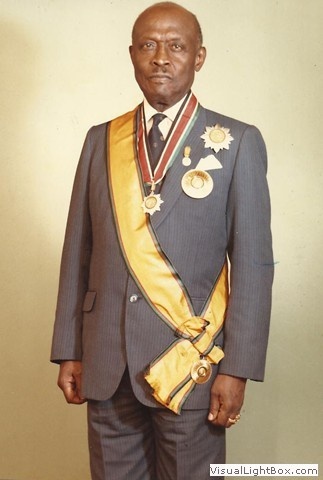
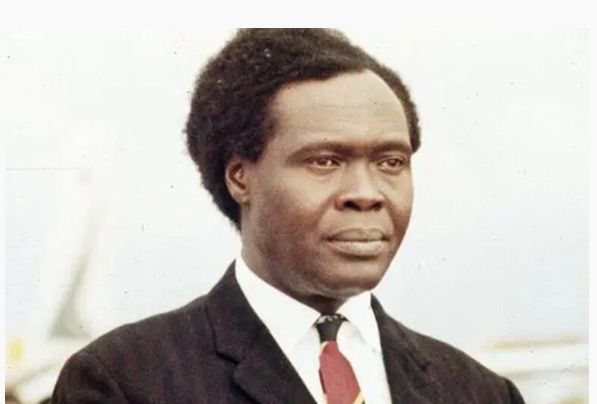
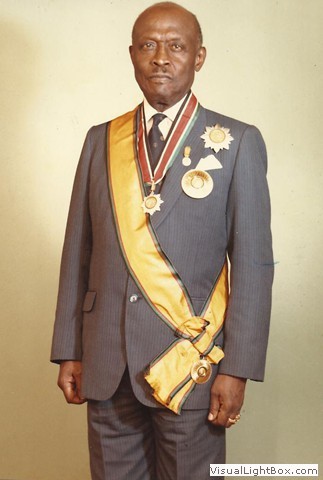
    Before independence, the British Pharaoh feared lawyers. In the 1940s, Apollo Milton Obote’s law scholarship was blocked; The British did not want him or someone from Lango to study law at the time. He later championed the struggle for Uganda’s independence alongside other nationalists like I.K Musaazi and Jolly Joe Kiwanuka, among others. The political Independence came in 1962, but lawyers remained baking bricks, facilitating dictatorship rather than defending rights.

    Image: Dr. Apollo Milton Obote. Former Primer Minister and first Executive President of Uganda.

    The 1956 Uganda Law Society,   Act, Cap 305, chained lawyers in Pharaoh’s brick yard, crushing their independence and autonomy by imposing state law officers, the Attorney General and Solicitor their governing council. This effectively led to state capture, aligning the legal profession with the colonial power’s interests instead of advancing the rights of the colonized peoples. The 1970 Advocates Act, Cap 295 further entrenched the chains: the Law Council, chaired by a judge who is appointed by the Attorney General after consultation with the Chief Justice. Other state law officers, the Solicitor General, a Chief Magistrate and only 3 lawyers, their president, and 2 others elected by them, a token of independence. Yet this substantially unelected group of powerful officials controlled eligibility, Bar exams, and disciplinary powers.

    The initial denial of Martha Karua a temporary license by the Ugandan Law Council and the reasons which it gave should tell you my dear reader everything else you need to know about the state of the independence of Uganda’s Legal Profession.

    Read more about it here.

    Reflections of the Uganda Law Council’s Refusal to License Martha Karua by Enen Ambrose at Enen Legal World.

    Independence and autonomy for the lawyers remained but only a cruel mirage.”


    The Global Commandment: Let My Lawyers Go!

    In 1990, the UN Congress in Havana thundered: the Basic Principles on the Role of Lawyers, echoing Exodus 5:1 “Let my lawyers go!” Principle 24 demanded self-governing, autonomous professional associations.

    The International Bar Association’s Standards echoed this, decreeing in Article 17 that lawyer associations must be independent, their councils freely chosen without state interference. Article 18 makes this crystal clear:

    The functions of the appropriate lawyers’ association in ensuring the independence of the legal profession shall be inter alia: (h) to promote a high standard of legal education as a prerequisite for entry into the profession and the continuing education of lawyers, and to educate the public regarding the role of a Lawyers’ Association.”

    Again, to the village Barraza, let me break this down into what my “A” Level economics teacher, Mr. Stanley Lukera, taught us, the “grandmother’s approach”: the Uganda Law Society, whose leaders are elected by the members, the lawyers themselves, must be the body responsible for setting academic standards for entry into the legal profession. That means setting and/or advocating for high-quality law school curricula, Bar exam requirements, or other qualifications before one can serve as an advocate.

    Yet Uganda’s Pharaoh only sneered. The Law Council and ULS Act stood firm, chaining lawyers to state whims. The village Barraza waited for defenders, but lawyers, bound by Pharaoh’s overseers, could not rise.

    The People’s Covenant Ignored

    In 1995, Uganda’s people, the ultimate consumers of justice, struck a covenant in their Constitution. National Objectives and Directive Principles of State Policy, Paragraphs II(vi) and V(ii)  XX declared that non-governmental bodies like the Uganda Law Society (ULS) must retain autonomy to champion human rights, their independence guaranteed by the state. Five years after the UN and IBA commandments, the people demanded their lawyers be freed to hold power accountable, to defend Mityana widows from land grabs, Soroti youths from unjust arrests, Mbale vendors from cheating landlords.

    But Pharaoh’s heart hardened, as in Exodus 8:15. The state clutched the legal profession tighter, wielding the Law Development Centre (LDC) as its slave-pit. With nearly 20 universities churning out law graduates, LDC remained the sole gatekeeper of the Post-Graduate Diploma in Legal Practice, its infrastructure crumbling under the weight. Pre-entry exams, meant to manage capacity, became another lash, while quality control at universities was a paper tiger.

    Plagues of the Slave-Pit

    The LDC’s tyranny rained plagues on aspiring lawyers, not the state. Failure rates soared to 90% in 2021 and several other years. Dreams shattered like stolen straw. Sex-for-marks scandals led to the expulsion of Academic Registrar Everest Turyakihayo, in 2022; a stain on justice’s robe.

    Supplementary exam fees bled students, parents, guardians, spouses, boyfriends, and sugar daddies dry in millions of shillings for a second chance at Pharaoh’s mercy. Then came the tenth plague, the killing blow: in 2024, LDC barred over 1,500 qualified applicants from the Bar Course, admitting only 1,260 of 2,600, citing “limited resources”. Like the death of Egypt’s firstborn in Exodus 11:1-10, this was no mere setback; it was a massacre of futures, a cry that pierced the heavens.

    Yet some struck back. In 2017, Gulu and Cavendish graduates denied exams thumpchested and invited  Pharaoh to the wrestling ring in Asiimwe Alex Byaruhanga & 12 Ors v Law Council & 3 Ors. Justice Wolayo thundered:

    “Law Council’s block was arbitrary and irrational.”

    The court quashed the ban, imposed permanent injunctions, and awarded 20 million UGX each. This blog is dedicated to among others, these courageous lawyers who walked through Pharaoh’s furnace and are now fine practicing Advocates.

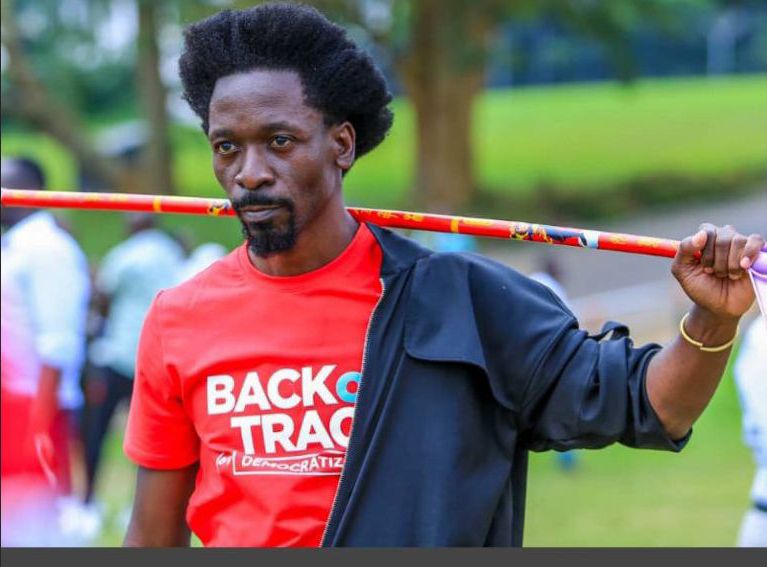
    Even public figures were not spared: Kyagulanyi Robert Ssentamu Alias Bobi Wine’s Cavendish University degree faced state scrutiny pre-graduation, proof Pharaoh’s heart hardens even against the popular. The musician turned leader of the National Unity Platform (NUP), Uganda’s largest opposition political party told members of the press shortly after his graduation that “When news came out that I was set to graduate, the usual detractors got busy and made every effort to stop me,” he said. “Some people, ostensibly working for the regime and other detractors, went as far as petitioning the National Council for Higher Education.” He added “NCHE officials went to the University and demanded for every document regarding my studies… It was a very detailed and intense investigation,


    Pharaoh’s Whip extends beyond Law, it bites real flesh.

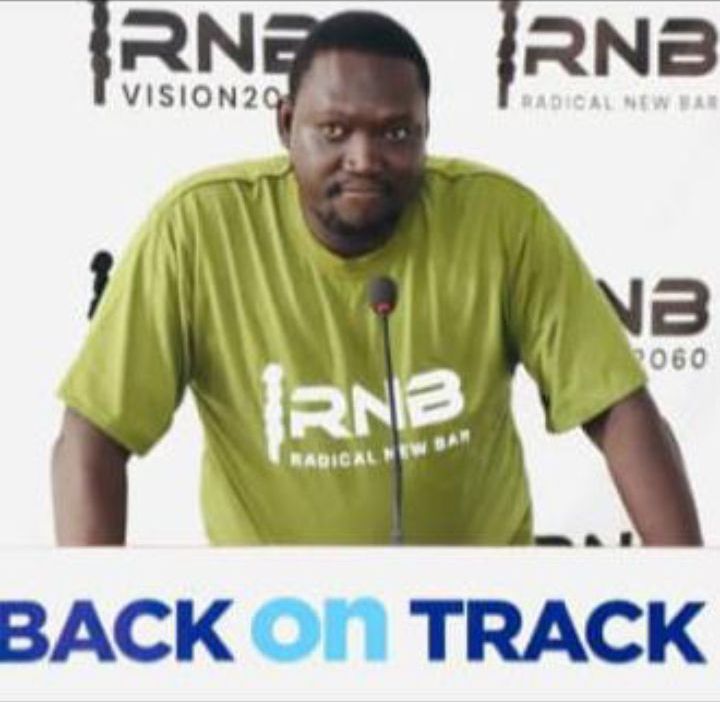
    Pharaoh’s tyranny isn’t just legislative—it’s flesh and blood. At the 20th #RNBLive Series, Yours truly had the lived experience of delivering the speech of the ULS President Isaac K. Ssemakadde’s speech. A copy of that speech is attached and A video of it is also attached. The modern Aaron, spoke fire:

    Advocate Abed Nasser Mudyobole… forcibly disappeared by state security. His abduction echoes the tyranny that hunted Njuba, Kayondo, Sebutozi, Ayigihugu. Lawyers who defend the Constitution, who question power, are enemies to be silenced.”

    Author delivering the speech of the ULS President Isaac K.  Ssemakadde on 29th May 2025 at the ULS House, Kampala.


    The courts shackle ULS blocking meetings (Kirima v ULS, 2024), Halting lawyers Constitutional voices at the Judicial Service Commission with appeals arising thereform under perpetual abeyance decisions (Mugisha v ULS), sentencing ULS President Isaac Ssemakadde in February, 2025 for criticizing a judge.


    Bakampa: Vision for Job-Ready Lawyers

    From LDC’s ashes rose Bakampa Brian Baryaguma. His Legal Education and Training Bill 2024:

    Decentralizes Bar training to universities

    Infuses practical skills: drafting, moots, clerkship

    Mandates one-year pupillage and national Bar exam

    Repeals the LDC Act

    “No more paying twice for one loaf. Lawyers ready to defend the people.”

    National Legal Examinations Centre Bill 2025: Red Sea or New Shackles?

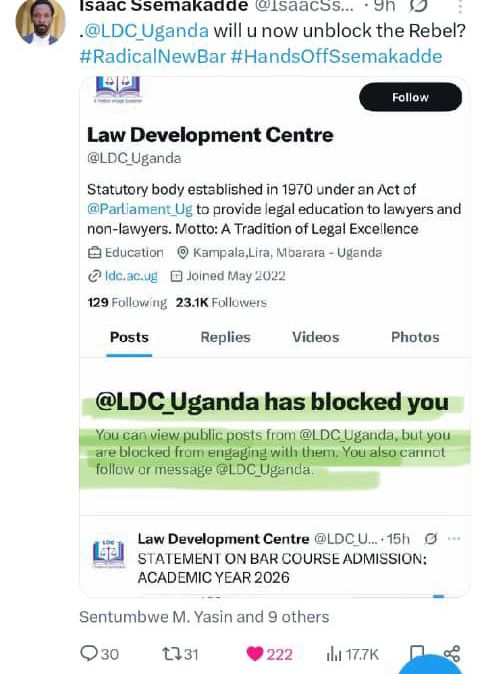
    ULS President Isaac K. Ssemakadde, mirroring Moses and Aaron, long campaigned against LDC. He demanded that it be abolished way back in 2021 in his address to Law Students at Makerere University. In what appeared to be a fit of rage, LDC reacted by blocking Ssemakadde  on its X handle.

    When news broke out that Cabinet had drafted the National Legal Examinations Centre Bill, 2025, the Radical New Bar President asked on whether LDC will unblock him?

    Image: Isaac K. Ssemakadde asked if LDC would unblock him after the bill proposing its abolition as he had suggested was made public by the Solicitor General.  Credit, Isaac Ssemakadde’s X (formerly Twitter handle)

    The bill proposes to free the Post Graduate Bar Diploma in Legal Practice from LDC, and shut it down completely, but Pharaoh’s hand still grips:

    Attorney General, a cabinet minister and political appointee, appoints Director of the center on the recommendation of the governing council & the  chairperson of the governing Council itself (Clauses 17 and 8 respectively). This erodes the corporate governance principles in Clause 19 of the Bill.

    The Attorney General can remove council members, set rules, and determine fees for services of the centre

    The risk of elite and exclusionary political capture remains real. The ghosts of exorbitant fees, especially supplementary Examinations which sucked all stakeholders dry, should not be allowed to lurk after abolition of LDC.


    “The legal profession stands at the Red Sea. Will it walk through freely or be recaptured?”

    Call to Arms: Strike the Red Sea!

    To defend justice, rights, and the Rule of Law, the following MUST BE DONE NOW to prevent lawyers from being captured and tamed “young” and moulded into frightened cowards who cannot foster accountability.

    1. Let the ULS Command– ULS and not a state law officer should appoint the NLEC Director & Council.


    2. Skills Fuse – Bakampa’s model in university curricula: drafting, moots, clerkship. The doctors and engineers have proven that you don’t need to pay twice for the same loaf.


    3. Fees Free;  The Council should retain a higher autonomy to set fees and, in collaboration with ULS, set academic and examination criteria and standards

    A group of lawyers trained through fear, intimidation, and heavy involvement of state law officers loses the courage to fight for the Mityana widows, Soroti youths, and Mbale vendors: lawyers must rise bravely and fearlessly. The rule of law suffers gravely, and so does the effective functioning of the justice system as a whole. 

    Strike the Red Sea! Free ULS!  #LetMyLawyersGo

    Pharaoh may harden his heart, but justice and truth can’t be enslaved forever.”

    You, dear reader, should participate heavily in freeing your rights defenders, call up the big people you know, Your area member of parliament, your Dean, faculty of Law, your ULS region’s Council member and demand that “they strike the Red Sea” and implement these recommendations so that your rights defenders, the lawyers gain full autonomy and independence.

    #Strike the Red Sea!

    #Let My Lawyers Go!

    This Blog is dedicated to the fearless champions of a better legal education and a better legal practice regulation in Uganda. Bakampa Brian Baryaguma,  the author of the Legal Education and Training Bill who personally granted me the copyrights to quote his works extensively. His journey in the struggle has been chronicle by him on his personal Blog at https://huntedthinker.blogspot.com/https://huntedthinker.blogspot.com/?m=1. I strongly encourage readers to visit his Blog and support his rallying call for members of the Public to contribute views on his bill which is attached:

    as well as the version presented by the cabinet, which is attached below:

    President of Uganda Law Society, Isaac K. Ssemakadde for prophesying the eventual shut down of LDC,  being blocked by the same institution on X (formerly twitter), expelling the Attorney General and Solicitor General from the governing council of the ULS via RNB Executive Order No. 1 of 2024 and earlier on filing a Constitutional Petition, which canvases the international law framework that has been presented and is still pending judgment by the Constitutional Court. My personal prayers are with you as you endure the pain of self exile for tackling the challenges of the legal profession from the root cause. May the good Lord protect you and touch the justices of the Constitutional Court for a just decision.

    This blog is further dedicated to the lawyers who engaged the legal system in the journey to reform the legal system, namely Pius Nuwagaba, Asiimwe Alex Byaruhanga, and his 12 colleagues for challenging the Law Council head on. Your struggles curated this milestone and led the legal profession, especially intending Advocates to now arrive at the Red Sea, waiting to strike the waters to open up the sea, to cross and permanently ensure the independence and full autonomy of the Legal Profession.

    Finally, each and every lawyer, member of the public who added embers to the revolutionary fire to free the legal profession,  parents, Judges who rendered justice,  you all stood on the right side of history,  may God bless you.

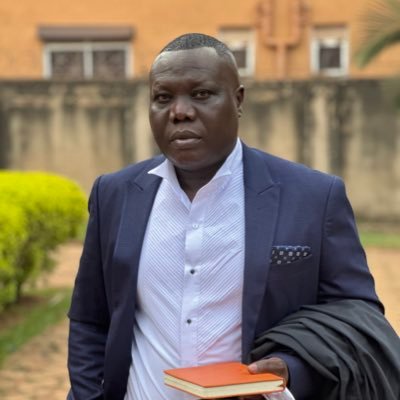
    Enen Ambrose, the author, is an Advocate and member of the inaugural Judicial Affairs Committee of the Uganda Law Society.

    DISCLAIMERS!

    This blog is intended to spark discussions around the current National Legal Education Centre Bill 2025. References to individuals and institutions are based on publicly reported developments and not meant to attack individuals or institutions mentioned directly.

    Nothing in this Blog is intended for use as legal advice. Author accepts no liability for use of the contents herein as legal advice. Readers are advised to seek the services of a licensed Advocate for situation specific legal advice.

    For comments and feedback, reach to us at ambrosenen@gmail.com

  • Alaka: ‘I Never Refused to Appear Before Byamazima’, Enen Legal World Debunks Ono Bwino’s NRM Tribunal Fabrication

    Alaka: ‘I Never Refused to Appear Before Byamazima’, Enen Legal World Debunks Ono Bwino’s NRM Tribunal Fabrication

    At Enen Legal World, we don’t just blog legal commentary to make laws accessible to the people. We craft stories that resonate, grounded in unyielding truth. We recently stumbled upon a sensational piece by Ono Bwino’s Sengooba Alirabaki, boldly titled “Panic At NRM Elections Tribunal As Senior Lawyer Protests Appearing Before Junior Counsel Byamazima.” It claimed Senior Counsel Caleb Alaka “stormed out” of the NRM Elections Tribunal, supposedly too proud to face “junior lawyer” Joshua Byamazima over his client’s 2026 parliamentary ticket.

    Our mission? To dig deep and deliver facts with impact. What we uncovered shocked us: this story wasn’t just shaky, it trampled on the sacred principles of journalism: accuracy, fairness, and transparency.

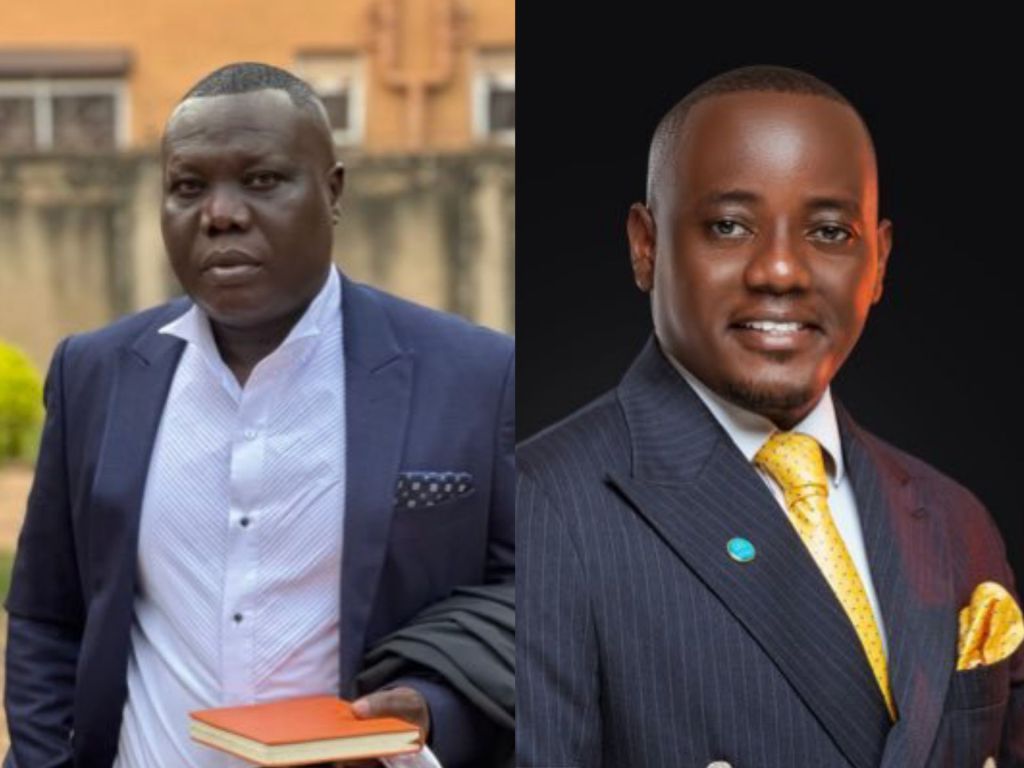
    Left, Senior Advocate,  Caleb Alaka: Right, Counsel Byamazima Joshua.  Images from their respective X (formerly Twitter handles)


    We reached out to Senior Counsel Alaka, and his response hit like a thunderbolt:

    “This is an absolute lie… I have appeared before Byamazima before without any qualm. I do not undermine institutions I am obliged to serve in my professional work.”


    And then came the clincher. Alaka told us:

    “It is alleged that I was representing Samuel Odongo Oledo against Samuel Okwir Odwe before the tribunal. For the record, I do not know Oledo, he has never been my client, I have never talked to him, and I have never acted for him or his opponent. I have full trust in the tribunal and have no reason to protest against any member. A judicial or quasi-judicial officer is to be respected regardless of age.”


    These words obliterated the article’s narrative. Diving deeper, we found zero evidence for Alaka’s alleged protest, no trace of his input sought, and a flimsy reliance on shadowy “highly placed sources” to peddle a fabricated tale of professional scorn.

    This isn’t reporting. It’s gossip draped in newsprint, a betrayal of the truth we’re sworn to uphold.

    In line with our commitment to accuracy and fairness, Enen Legal World reached out to both the author of the Ono Bwino piece and Tribunal member Joshua Byamazima for their comments before going live. The author did not take our call. Mr. Byamazima declined to comment, instead referring us to a “director” without providing specifics. By the time we went live with this blog, no authorised official from the NRM Elections Tribunal had responded to our request for comment.

    At Enen Legal World, where we don’t just blog legal commentary but believe in blogging with impact, and above all, with truth, we call out such failures with unrelenting clarity.

    Unverified claims? They’re rumors, not stories.
    No right of reply? That’s a hit piece, not journalism.
    No transparency? That’s propaganda, not reporting.

    Ono Bwino’s piece isn’t just flawed. It’s a masterclass in how to erode public trust.

    To our fellow storytellers in the media world: chase bold narratives, but let truth be your compass. Verify with primary sources, amplify all voices, and lay your methods bare. At Enen Legal World, we believe a story’s power lies in its truth, not its flash. A blog full of concoctions attracts heavy legal consequences, namely, a suit in defamation with hefty awards in general damages and costs. It pits sector regulators like the Uganda Communications Commission against the authors. Most importantly,  such reckless spewing of unverified claims does reputational harm to the individuals concerned. We call out such injustices plainly, publicly, and defiantly.

    We don’t just write at Enen Legal World, we ignite conversations, champion fairness, and wield truth as our mightiest tool. If we can’t tell stories that stand firm on facts, we’ve got no business telling them at all.

    Disclaimer:

    The information provided here is only intended to spark conversations about responsible journalism and its legal consequences. It is not intended to be used as legal advice and should not be used as such. We accept no liability for use of information contained in this Blog as legal advice. Readers are encouraged to consult a qualified licensed attorney for situation specific legal advice.

    For feedback, contact us via ambrosenen@gmail.com

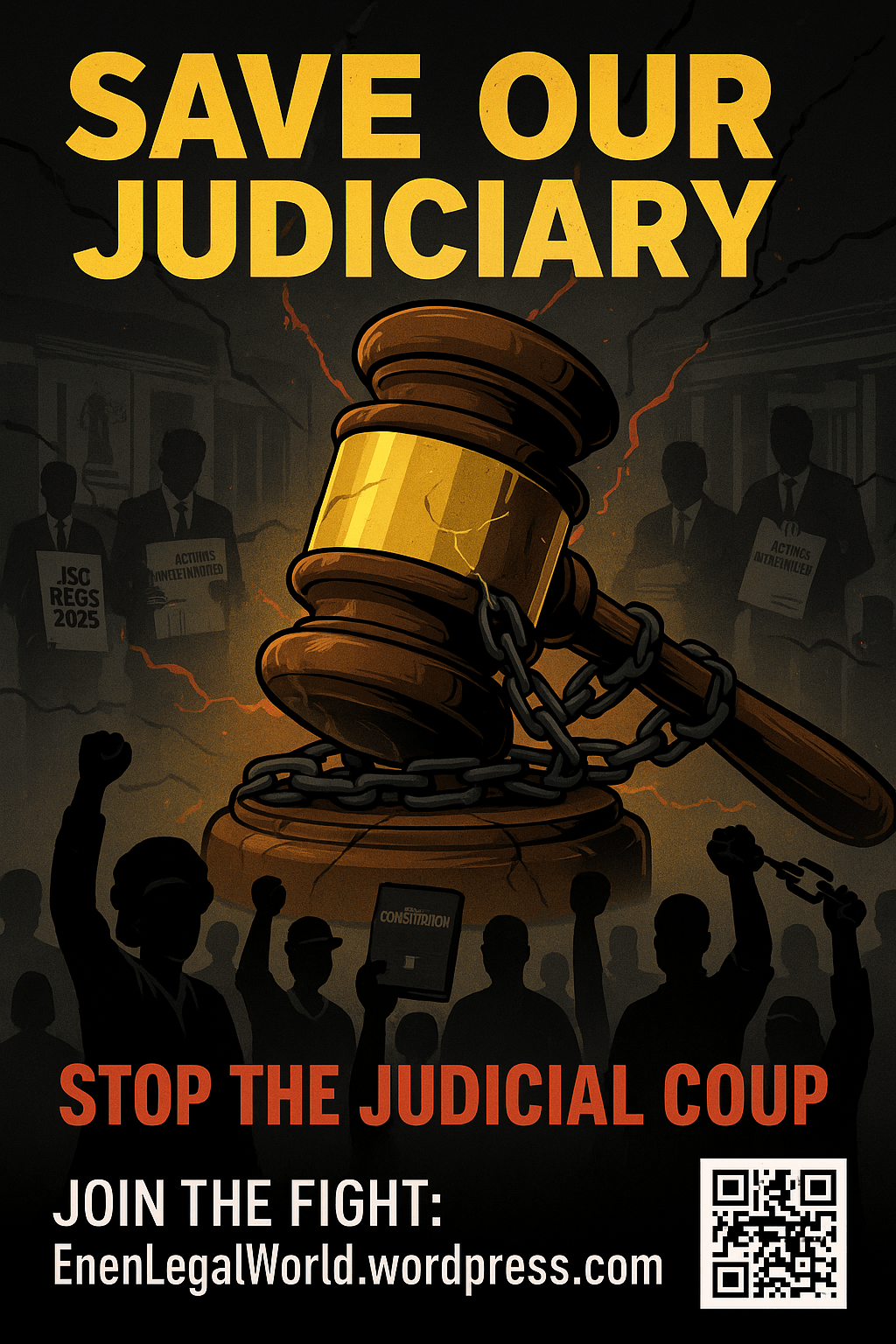
  • Uganda Needs Judges with Balls of Titanium Alloy—Not the Shackles of the JSC Regulations, 2025: Why You Should Be Worried

    Uganda Needs Judges with Balls of Titanium Alloy—Not the Shackles of the JSC Regulations, 2025: Why You Should Be Worried


    Let’s not waste time.
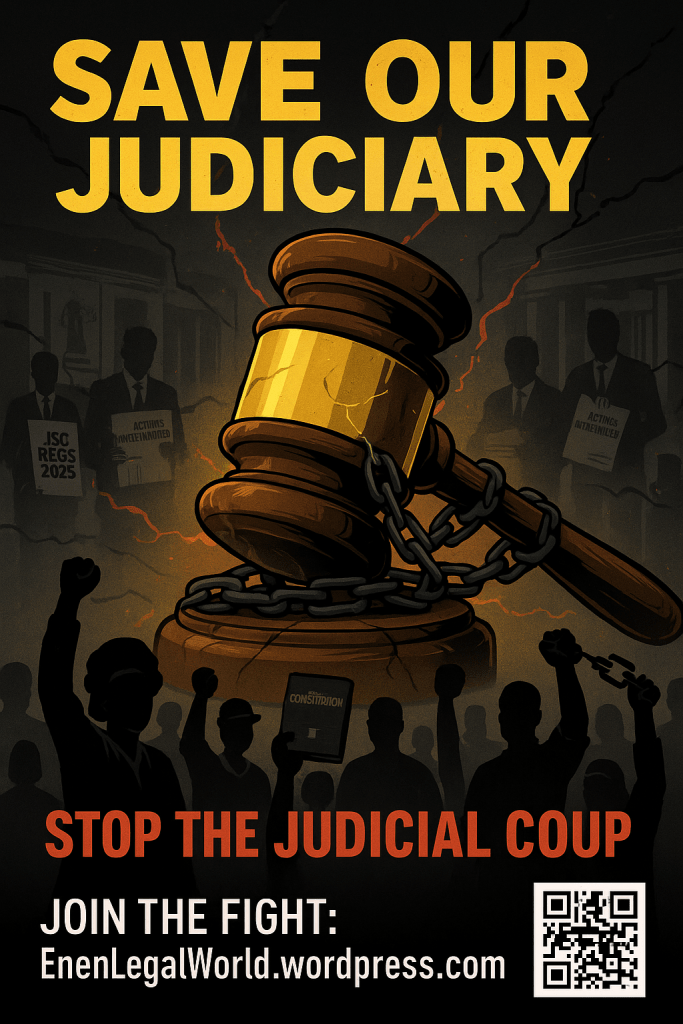
    Uganda’s judiciary has been hijacked. Quietly. Legally. Treacherously.

    They didn’t need a coup d’état. They just needed Statutory Instrument No. 4 of 2025—the Judicial Service Commission Regulations—to pass unchallenged.

    You can access a copy of those regulations here:


    And now the Constitution isn’t bleeding.

    It’s on life support. Plugged into a system designed to kill it slowly.

    Judges on Acting Terms. Courts on Probation. Justice on the Brink.


    Here’s what they’ve done:

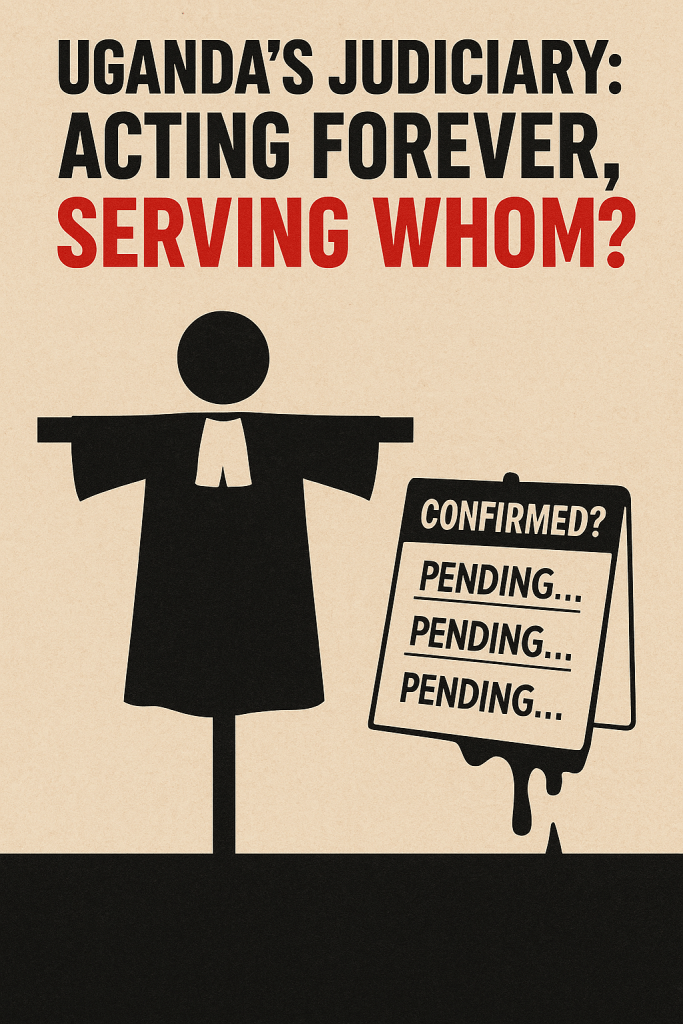
    Invented a system where new judges are appointed on in an acting capacity, with the duration determined at the whims of the appointing authority—yes, like interns at a mobile money kiosk.

    Given the President the power to recycle retired judges, no questions asked. No medical. No mental. No morals.

    Created performance evaluations for judges like they’re applying for a promotion at a law firm.

    That’s right, you’re not day dreaming, the system was rigged. In 2022, the Constitutional Court damned this shrewd “sharp practice” and threw it in our Constitutional History by declaring it unconstitutional in Dr. Busingye Kabumba and Karamagi vs Attorney General.

    A copy of that decision can be found here:

    Good judgment, right? Damn, the government rigged it. It instead created a legal loophole which enabled it to pass these damned Regulations. 

    Firstly, it appealed against.  Secondly  the government obtained what is in effect  a suspension of the independence of the Judiciary as the Supreme Court delays to decide the Government’s Appeal .

    A copy of the decision which suspended the independence of High Court Judges as the government waits for a decision in its own appeal from the above case can be accessed from here:


    Okay, let’s dive into the evil in the Regulations.
    Reg. 29–33 and 31 are the smoking guns.
    And what they shoot is judicial independence—straight between the eyes.

    And Then There’s 2026…

    Uganda’s next elections are not just around the corner—they’re rumbling like thunder.

    And we know the script:

    Mass arrests.

    Disappearances.

    Violent suppression.

    Habeas corpus applications flying like confetti.

    Human rights cases lined up like a firing squad.


    It will take judges to hear them all.

    But what kind of judges?

    Not fearless ones. Not permanent ones. Not independent ones.

    The Regulations guarantee this:

    When the state comes for you, the judge before you may still be “acting,” “probationary,” or “awaiting confirmation.”

    You don’t need a judge praying for job security.

    You need a judge with balls forged from titanium alloy, ready to grab the State by its ball sac and say:

    Back off. The Constitution says this citizen walks free.”

    These Regulations can’t produce that judge.
    They produce whispering cowards in robes.

    But Wait, There’s a Recruitment Cartel Too

    They didn’t just kill judicial independence at the appointment level.

    They also built a Search and Recruitment Committee—and a Sub-Committee—with a quorum of TWO people.

    Let that sink in:
    Two people can now shortlist Uganda’s judges.

    Who are these people?

    The Attorney General—yes, the government’s own lawyer.

    The Chairperson of the JSC—currently Justice Singiza, who was once branded a “Nazi Judge” by opposition supporters for adjourning Besigye’s habeas corpus case instead of hearing it urgently.


    And guess who they kicked out of this process?

    The two (2) representatives of the Uganda Law Society.

    The very people the Constitution says should be part of the Judicial Service Commission.

    It Was Planned. Timed. Executed.

    These Regulations were passed while the Uganda Law Society is in court, fighting to elect its representatives.

    The plan is clear:
    Keep them out. Lock the process down. Staff the courts with friendly judges. Control the law from the inside out.

    This isn’t just bad law.

    It’s a judicial cartel in robes.

    And You Think It Doesn’t Affect You?

    Wait until your land is taken.
    Wait until your protest turns into a prison sentence.
    Wait until your loved one disappears.
    Wait until the courtroom is the only place left to cry out.

    Then you’ll pray that your judge isn’t still auditioning for a contract renewal.

    Here’s the Message:

    Uganda’s justice system is being rebuilt—not to protect you, but to survive you.

    It is no longer about law.
    It’s about control.
    It’s about loyalty.
    It’s about silencing justice before you can even plead for it.

    This is the war. This is the moment. This is the alarm.

    If you have eyes you better see, and if you have ears you better listen.

    More about me and disclaimer in the about page.

  • Foot Soldier’s Last Stand: Inside the Madness of Sycophants, Rogue WhatsApp Admins, and the Northern Bar Bench Forum

    Foot Soldier’s Last Stand: Inside the Madness of Sycophants, Rogue WhatsApp Admins, and the Northern Bar Bench Forum

    Photocredit: Team of Advocate Paul Mukiibi with their Brand: Chain breakers in the campaign to represent the Uganda Law Society at the Judicial Service Commission.

    It started like a flicker—a tiny spark of defiance that should’ve ignited a roaring wildfire of rage and justice. Instead, it was smothered by the gargantuan, self-righteous boots of censorship, as if the admins of the Northern Bar-Bench Forum were playing the role of divine gatekeepers to the underworld of logic, reason, and free speech. It was the perfect storm waiting to brew, and here we were, caught in the vortex of unrelenting madness.

    Imagine this: a friend—let’s call them Advocate C—dared to share a link to an article so scorching that the digital air itself trembled. The scandal? The Honorable Chief Justice, in a move so brazen it could only be conceived in the dankest corners of the power-obsessed universe, allegedly schemed to extend the retirement age for Supreme Court Justices. Why? To keep his gnarled hands on the throne, forever and ever. He also decided to appoint an Acting Principal Judge without so much as a whiff of the President’s blessing, like a schoolyard bully claiming the lunchroom as his own personal fiefdom. The legal streets of the Forum exploded in righteous fury, an inferno of truth and justice clamoring for attention.

    And then… the admins. Oh, the admins. The self-crowned, self-important emperors of silence—oh yes, those power-hungry weasels. They descended like locusts, their ban-hammers blazing. Link? Gone. Criticism? Erased. “Don’t post things that make other members uncomfortable,” they decreed, as if comfort was the holy grail of democracy. What’s uncomfortable, you ask? The CJ’s alleged power grab that should’ve made every Ugandan’s blood boil? That’s what should’ve made us all “uncomfortable.” But no, not in their world. The admins had a higher calling: the suppression of truth, under the guise of “unity” and “comfort.” What a joke.

    That night, at 8:43 PM, the world shook. I—Ambrose Enen—I was done. I had had enough of their charade. With the force of a thousand furious lions, I stormed into the admins’ fortress of lies. I sent them a question that cracked their gilded masks and made their self-satisfied jaws clench like desperate prey:

    “Why are you strangling debates about the Hon. Chief Justice, you cowardly sycophants?”

    I threw down the gauntlet, demanding they justify their pathetic, trembling submission to the powers that be, to shield His Lordship from the fire of scrutiny. The CJ had once bellowed like a lion, declaring, “If you’re not criticized, it means you’re doing nothing and the people just choose to ignore you!” And here they were, trying to shield him from even the faintest whiff of criticism. Hypocrisy? Monumental. So, I unsheathed Article 29 of the Constitution like a blazing sword and sliced through their pitiful, sanctimonious excuses with the fury of an avenging god. I invoked the speech of the Chief Justice himself when he delivered his own lead Judgment in Kabaziguruka case, where the Supreme Court put a grinding halt on the trial of civilians in the Court martial. The Chief Justice was referring to President Isaac Ssemakade’s work method, weekly public press engagements dubbed the “RNB Live” in which fireballs were hurled at the Justices of the Supreme Court for delaying to deliver that very judgment. The very Supreme Court had in an earlier judgment in the case of  Charles Onyango Obbo and Andrew Mujuni Mwenda had crowned free speech as an untouchable deity, immune to the fragile egos of all public officials from the President to the Military.

    Read a copy of that Judgment here:

    Related: read also: https://enenlegalworld.wordpress.com/2024/11/20/revisiting-free-speech-professional-ethics-and-gender-sensitivity-in-uganda-a-legal-and-social-analysis/

    I screamed at them, demanding they answer me: Had they erased the CJ’s own edict—that criticism is the lifeblood of action? Or had they buried the people’s right to challenge power under a mountain of self-inflicted fear?

    I didn’t stop there. I summoned the name of the great Isaac Ssemakadde, a volcano of legal brilliance who melts the hearts of tyrants and leaves them quaking in their boots. His name sent ripples of panic through their ranks, like a shark’s fin slicing through calm waters. And I laughed—loudly—at their terrified whimpering.

    The admins’ response? Hilarious. They pulled out the same tired, sanctimonious rhetoric, claiming the Forum, created in 2019 by the then “mighty” Conrad Oroya, was meant to unite “advocates” and “judicial officers” from the greater North. They paraded their so-called patrons, from the CJ down to the lowliest Magistrates, and tried to paint themselves as paragons of unity and reason. But wait—oh wait—they accused the Radical New Bar (RNB) of destroying the Forum, branding us as “scourges of the legal profession.” Apparently, our “scathing attacks” were too much for their fragile egos, too sharp for their delicate sensibilities. They shrieked that we’d turned their sacred Forum into a warzone. And that—that was their best excuse for censorship.

    But, my friends, that wasn’t enough. They threatened to boot us out, to banish us from their “pious” space where only their carefully curated lies were welcome. Oh, how I laughed. I thought of Maxime Rovere’s words in his book, How to Deal with Idiots and not be one yourself: “Idiots infest every cesspool, even the loftiest halls of government.” But this wasn’t a government cesspool, oh no. This was a digital one, run by clowns in armor of “civility” and “comfort.” I held back my laughter only because it was a laugh of pure, unadulterated rage.

    The admins couldn’t take the heat, and then, boom. A revolution. It didn’t come in the form of an army, no. It came in the form of words. Words sharper than a thousand blades.

    A Grade 1 Magistrate—yes, a Grade 1 Magistrate—came for them, tearing through their lies like a wildfire through dry grass. “Article 29 doesn’t grovel before judicial comfort,” they roared. “You’re strangling debate about the CJ, and in doing so, you’re ripping the soul from the legal profession itself.”

    Then, like a chorus of angels singing the hymn of truth, came another Magistrate. It came with fire in their belly and venom in their words. “Your fear of the Radical New Bar only exposes your cowardice,” they snarled. “You’re terrified of a few questions—questions!—about the CJ’s power plays. What kind of admins are you?”

    Then came Advocate A—oh yes, Advocate A—with a fire so hot it could melt the very walls of their sanctimonious den. They came at the admins like a raging storm, laughing at their pathetic attempts to shield the CJ from the rightful fire of criticism. They mocked them for their “bootlicking” and told the admins to lick the dust. They didn’t just fight—they laughed in their faces. And their message? “You’ve earned this defeat, you glorious cowards.”

    But that’s when the real rebellion began. Just after my banishment, Advocate B—yes, Advocate B—launched a tidal wave of resistance. “See you in Gulu Learned Friends,” they sneered. “But first, post that message which  was deleted here!”

    The forum’s demise wasn’t my banishment. Oh no. It died when it sold its soul, when it chose silence over truth, when it cowered before power. And here’s the thing—the admins? They didn’t even see it coming.

    But then came the words of Isaac Ssemakadde—oh, those words, those molten words that seared their way into my soul. “Impunity’s greatest weakness is the craving it has for respectability, legitimacy, and sycophancy. Deny it one of those lubricants, and you will begin to see ‘how the mighty fall.’ So fast.” And then he said the words that would light the fuse of my rebellion for good: “Principle is always vulnerable in the face of power; especially in spaces of long-term subjugation where the legal culture is manipulative & unapologetic in defence of power. Only a revolution, grounded in principle, can reverse things now.”

    I heard it. The call. The revolution, forged in fire and principle, was now in my blood. And so, like a storm that cannot be stalled, I went to battle. Unbanned. Unbowed. Unafraid.

    Because here’s the truth: The Northern Bar-Bench Forum was supposed to be a crucible of ideas, a place where Uganda’s brightest minds clashed, burned away the dross, and emerged better. Instead, it became a cesspool, a sanctuary for the most dangerous thing of all: fear. Fear of truth. Fear of scrutiny. Fear of Article 29.

    And in that fear, they forgot. They forgot what a forum was meant to be. They forgot that power, unchecked and unchallenged, is the very thing that devours empires.

    So here’s to the outcasts, the truth-tellers, the Ssemakaddes who set the world ablaze with righteous fury! Here’s to Advocate A, Advocate B, and every single renegade who refused to bow before the gods of comfort. Here’s to Article 29 and the indomitable, damn-near-holy faith that free speech isn’t a gift from admins or judges—it’s our birthright, you small little intern Honorable WhatsApp administrator dictators!

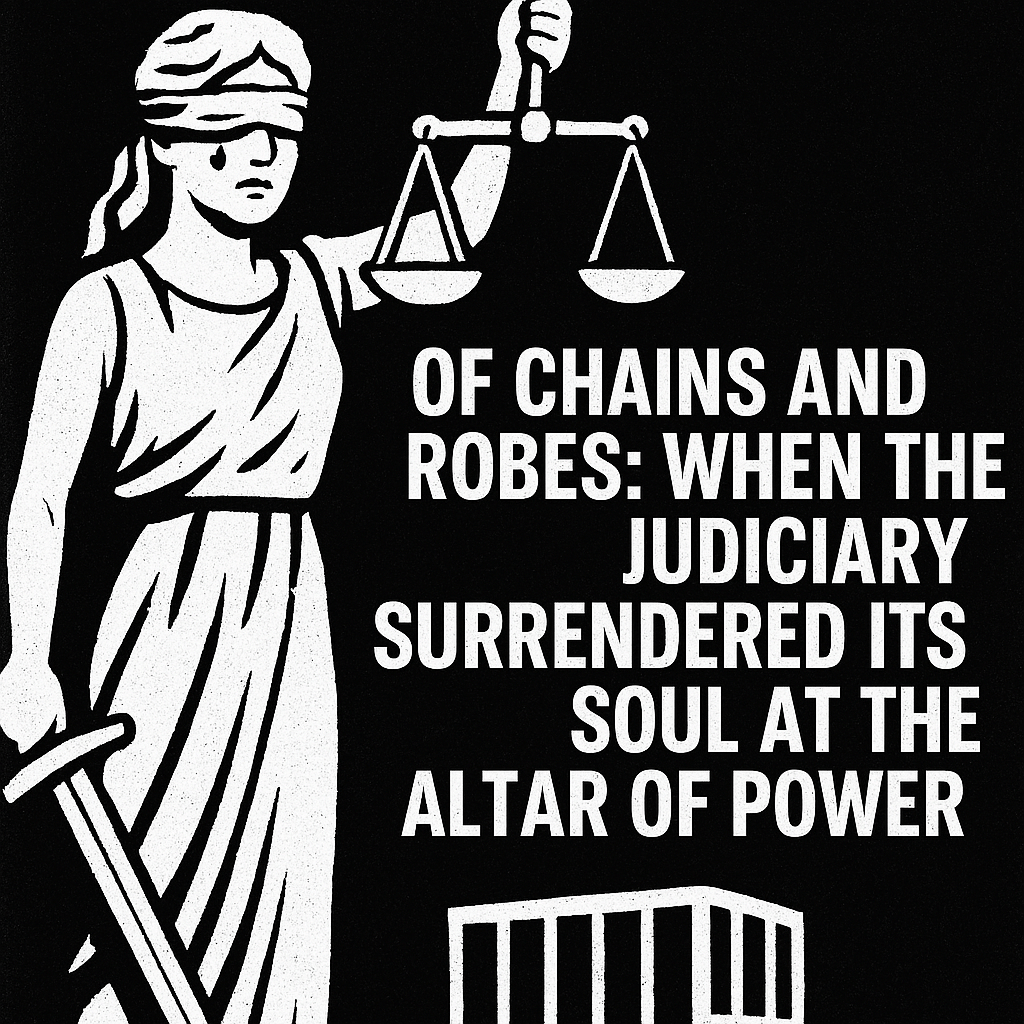
  • OF CHAINS AND ROBES: When the Judiciary Surrendered Its Soul at the Altar of Power

    OF CHAINS AND ROBES: When the Judiciary Surrendered Its Soul at the Altar of Power


    They told us Lady Justice was blind. Yet no soul foretold us that she could be gagged, chained by red tape, or forced to perform a scripted dirge for the state—while the true conduct of justice withers in her silent grasp.

    This is the tragedy of our times:
    On one fateful day, under the looming shadow of executive power, the Judiciary refused bail to Dr. Kizza Besigye—not because the law demanded it but because the long finger of the Executive had darkened the halls of justice. The gavel itself seemed to quiver in fear.

    In a nation where the very concept of “public interest” is weaponized, such a ruling is not just injustice—it’s a full-throated political press release performed by a bench too timid to uphold the Constitution. Uganda does not merely serve up injustice; we marinate it in irony, wrap it in drama, and serve it with a side of bitter satire.

    Then enters the spectacle of The Ssegirinya Case.
    Hon. Muhammad Ssegirinya—a brave legislator whose voice once roared in opposition—died at a hospital right here in Uganda and was laid to rest in Masaka amid national mourning. Parliament wept. The Electoral Commission hustled. A by-election crowned Counsel Nalukoola as the Honorable Member of Parliament for Kawempe North Constituency. The new MP elect was gazetted and subsequently took the oath of a member of Parliament and yet, the Judiciary clung to absurdity:
    “We need a death certificate to terminate the criminal case against him.”

    Imagine: while Parliament already acknowledged his passing, the Chief Magistrate’s Court demand forensic proof—as if they were guarding against a zombie revival in the halls of justice. Some things, Your Worships, don’t need official state records like a death certificate; they require judicial notice. Ssegirinya is gone. No amount of legal formality can reverse that truth. To be slightly more cheeky and dramatic about it, will the Court issue criminal summons or an arrest warrant to produce the fallen legislator before Court? Yes, that is the absurdity we are talking about.

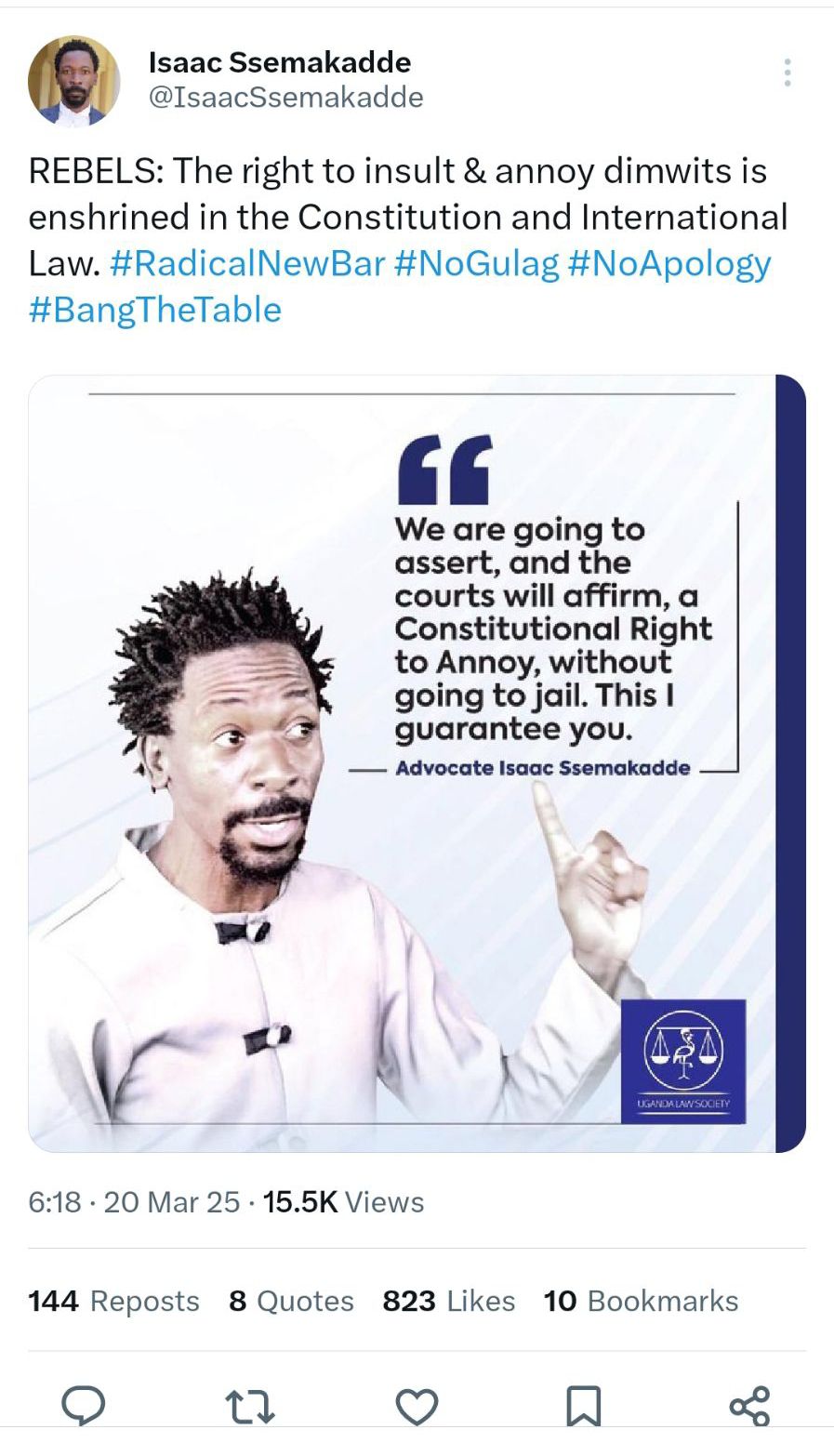
    Meanwhile, within the oppressive corridors of power, a lone rebel rises. President Isaac Ssemakadde—a man both radical and resolute—was denied a podium at New Year Law Day, yet he found a way to become the voice for those silenced. Standing on a cold step outside the hallowed courtroom, he declared:

    “The Uganda Law Society doesn’t exist to soothe the egos of the Judiciary but to protect it from Executive Overreach.”


    That proclamation was not mere rhetoric—it was a rallying cry. No applause met his words, yet the Constitution itself, dusty and long-forgotten on a shelf, clapped with the thunder of truth.

    Adding a surreal twist to this saga, the ruling that doomed Besigye’s bail came on the heels of the anniversary of President Idi Amin’s regime collapse—the day Uganda first broke free from dictatorship. And as if the fates conspired further, on that very day, Justice Gadenya granted a stay of execution for the arrest warrant against President Ssemakadde. A copy of the Ruling by His Lordship Paul W Gadenya can be found here

    Read also about the international arrest warrant against President Isaac K. Ssemakade and why it was an embarrassment to the whole of Uganda’s Legal system here: https://enenlegalworld.wordpress.com/2025/03/20/red-alert-ssemakadde-and-ugandas-judiciary-in-the-international-firestorm/

    History, it seems, is writing its own epic:
    The ancient echoes of liberation mingle with our modern struggles, and even the ancestors of this Republic refuse to sleep.

    In the midst of this theatrical legal circus, one voice from the depths of exasperation cut through the clamor:

    “The law ceased being an ass. It’s now a pussy.”


    Unfiltered, incendiary, and laughably raw—this isn’t a mere quip but a savage indictment. When courts purr in the laps of power rather than bite down on injustice, we can’t pretend neutrality. We must call the rule of law what it is: law taking orders instead of serving justice.

    As we stand at the crossroads of history, our hearts burn with the hope for a future where truth rings louder than decree. Like the fabled moment when Pontius Pilate (in his own conflicted way) declared, “I find no guilt in this man,” yet allowed the crowd to dictate a cruel verdict, the Ruling of the Hon. Lady Justice Comfort denying Besigye’s bail Application even after finding that he had satisfied all the requirements reveals to all those who care to see that executive Overreach influenced the outcome of the decision. A copy of the ruling can be accessed here:


    So here we are—writing not for mere record but for revolution. This is no ordinary blog post. It’s a legal thriller, a national mirror, a soaring cry that condemns mediocrity and demands accountability.

    Justice, if you’re still alive—send us a signal.
    We’re here.

    And for the record—this blog is not an attack on the personal integrity or competence of the judicial officers concerned. It is a constitutional critique—bold, unfiltered, and fully protected as free expression under Article 29 of Uganda’s Constitution. We aim not to tear down but to build a Judiciary worthy of public confidence, not executive approval.

  • Mugambe’s Fall: A Clash of Legal Systems and the Struggle Between Impunity and Accountability

    Mugambe’s Fall: A Clash of Legal Systems and the Struggle Between Impunity and Accountability


    Uganda’s legal system has long been a fortress of impunity. For decades, it has survived every attempt at reform—not by improving, but by dismantling anyone who dares to fix it.

    Enter Isaac Ssemakadde, Uganda Law Society (ULS) President.

    His mission? To drag the legal profession out of the mud, rebuild public trust, and hold the entire system accountable.

    His first strike? Kicking the Attorney General off the ULS Governing Council. Why? Because how does a government’s top lawyer sit in the governing body of an institution meant to be an independent watchdog? It was a classic case of conflict of interest, and Ssemakadde terminated it.

    Image: Isaac K Ssemakade. Photo Credit: Insight Post Uganda


    His second move? Recalling all unelected ULS representatives to the Judicial Service Commission (JSC)—a body meant to discipline errant judges. For too long, these positions had been filled by handpicked placeholders who were cozy with the very Judiciary they were supposed to regulate.

    Then, the nuclear option—a ULS-led Public Commission of Inquiry into the entire Bench.

    That was the moment the Judiciary declared war.

    A full-scale investigation into judicial corruption, impunity, and accountability? The Judiciary saw what was coming—a public trial of the very system that has shielded the powerful for decades.

    And so, they struck first.

    A High Court Judge—who, it has been reported, was allegedly involved in sexual harassment allegations—injuncted the entire process and had Ssemakadde convicted of contempt of court with a two-year jail sentence.

    Yes, you read that right.

    A judge in a case where he was allegedly the victim, presiding over a trial that could expose him, convicted the man leading the movement for reform.

    The Judiciary had gone into full-blown self-preservation mode.

    And while Uganda’s legal system was busy eating its own, something very different was unfolding in the UK.

    A Ugandan judge—Justice Lydia Mugambe—was convicted.

    And suddenly, Uganda got a front-row seat to what real judicial accountability looks like.

    No judicial gymnastics. No vanishing case files. No presidential interference.

    Just a judge facing the law like any other citizen.

    And here’s the real kicker—the UK wasn’t just convicting a judge.

    They were sending a message.

    Uganda’s human rights record had rotted beyond acceptable limits.

    Opposition National Unity Platform (NUP) supporters were reportedly tortured, arbitrarily detained, and held without trial. The UK had already slapped sanctions on key Ugandan officials. And now, Uganda’s backdoor diplomatic channels in London were reportedly frozen.

    Word on the street? NUP had played quiet but strategic backdoor diplomacy, exposing Uganda’s entrenched impunity to the UK foreign office—and the UK listened.

    This wasn’t just about Mugambe.

    It was Uganda being held accountable—one way or another.

    Because in Uganda, justice serves the powerful. In the UK, it serves the law.

    And so, as Judge Mugambe awaits sentencing on May 2nd, 2025, we extend our best wishes.

    Not because of what she did or didn’t do, but because this entire mess is a reflection of a broken system back home.

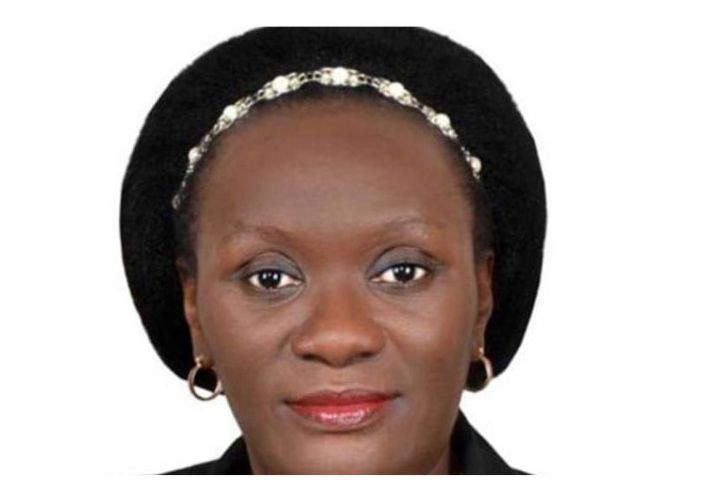
    The Hon. Lady Justice Lydia Mugambe. Photo Credit: Daily monitor


    To all who still believe in the Rule of Law—even as the system crushes them—we see you.

    To the ULS candidates still battling for election to represent ULS to the JSC—who have outspent resources in what was supposed to be a simple election, but turned into a never-ending war—hold strong.

    The Judiciary stalled the election, an appeal halted the process, and yet—hope refuses to die.

    Because one day, impunity will fall.

    And when it does, it won’t be because of backroom deals.

    It will be because of the fearless ones—those who refused to let injustice win.

    And when that day comes, we won’t just be telling the story. We will be living it.

    Disclaimer:
    The views expressed in this blog are based on publicly available reports and sources. Allegations mentioned are unverified and are referred to as they have been reported. This post is an opinion piece aimed at encouraging dialogue and reflection on the issues discussed. The cases mentioned are subject to ongoing legal processes and investigations, and the information presented is intended for general awareness rather than legal conclusions.

    More about the author on the about Page.

    Do you have stories in your community that we should Blog about, or do you have comments to help us improve on our delivery?,  please feel free to reach out to us through our address which is on the about Page

  • Foot Soldiers Fight Back: Free Speech, Social Media, and the Battle for Judicial Accountability in Uganda

    Foot Soldiers Fight Back: Free Speech, Social Media, and the Battle for Judicial Accountability in Uganda

    Judicial power in Uganda is not a divine right handed down to judges in solemn robes. It is borrowed authority from the people, and when borrowed power is abused, the lenders have every right to demand accountability. That is what happened when Ugandans erupted in fury over Justice Douglas Singiza’s decision to adjourn a habeas corpus application, effectively prolonging an already illegal detention.

    This was not an internet tantrum—it was a constitutional defense mission, executed in real-time by citizens who understand their rights better than some of the people wearing wigs in courtrooms. Article 126(1) of the Constitution is clear:

    Judicial power is derived from the people and shall be exercised in conformity with the law and with values, norms, and aspirations of the people.”

    So, when the people declare that a ruling has spat on their constitutional values, they are not just complaining—they are executing their duty to keep judicial power in check.

    This is not the first time Singiza has found himself at the center of a human rights disaster. When Kakwenza Rukirabashaija, a novelist and torture victim, applied to retrieve his passport for urgent medical treatment abroad, it was Singiza—then Chief Magistrate at Buganda Road Court—who denied him. His reasoning?

    👉 “Ugandan hospitals can handle his condition.”

    Imagine suffering broken ribs, festering wounds, and open scars from state torture, only for a judge to declare that a hospital in Wandegeya is sufficient to handle what should be a war crimes case. This is the same judge who, three years later, sends Besigye and Lutale back to illegal detention while he thinks about their habeas corpus plea.

    The pattern is now too clear to ignore—delayed justice when it benefits the state, procedural gymnastics when fundamental rights are at stake, and then a full-blown judicial meltdown when the public calls it out.

    And how did Singiza react to the backlash? Like a true 21st-century authoritarian—he made the ruling about himself. Instead of addressing the constitutional chaos he created, he spent his precious obiter dicta crying about online criticism.

    What’s next? Should Ugandans start seeking judicial permission before commenting on court decisions? Must all legal critiques now be submitted in triplicate, with an affidavit from a Senior Advocate?

    This is a dangerous trend—a creeping attempt to criminalize judicial criticism and insulate courts from the same public scrutiny that every other arm of government faces.

    The executive is insulted daily.
    The legislature is mocked in real-time.
    The military is dragged through the mud.

    But the judiciary wants to be untouchable?

    In Onyango Obbo & Andrew Mwenda v. Attorney General, the Supreme Court made it clear that public officials—including judges—must tolerate criticism. Free speech does not require politeness, and it is not invalidated because it offends the recipient.

    Yet, here we are, watching judges compose emotional victim statements in court rulings instead of defending the Constitution.

    This is not judicial independence—this is judicial fragility.

    Uganda has reached a crossroads: either the judiciary remembers that it serves the people, or the people will remind it in ways it will never forget. Judicial power, like all borrowed authority, can be reclaimed when misused.

    This is not a warning.
    This is a constitutional reminder.

    DISCLAIMER: This blog is not intended to mock or attack the person of the Hon. Justice Douglas Ssingiza. It is commentary on the interesting obiter dicta in the Habeas Corpus Application of Dr. Kizza Besigye and Obeid Lutale vs. Attorney General. The Ruling in that case can be found here:

    The author is a Rule of enthusiast. More in the about page.

  • NO APOLOGIES, NO SURRENDER: THE RADICAL NEW BAR TAKES THE JUDICIARY TO WAR

    NO APOLOGIES, NO SURRENDER: THE RADICAL NEW BAR TAKES THE JUDICIARY TO WAR


    The Judiciary wanted a fight. Now, it has a war.

    The New Law Year was supposed to be ceremonial—a chance for the Bench and the Bar to sip tea and pretend they liked each other. Instead, it became a crime scene.

    Chief Justice Alfonse Owiny-Dollo, tired of the Uganda Law Society’s relentless attacks, came out swinging. He stood before the nation, fists metaphorically clenched, voice dripping with fury.

    At first, he played innocent. Pretended he wasn’t the one who had gagged Isaac Ssemakadde. Then, unable to hold back, he let the truth slip.

    “I am the one who ordered that the President of the Uganda Law Society should not speak.”


    And then, like a man who had been waiting to explode, he thundered:

    “Only a fool, and I really mean it, it is only a fool who abuses you, insults you, dehumanizes you and thinks it will be business as usual. It cannot be business as usual unless you make amends.”


    Boom. There it was.

    The Judiciary was officially in its feelings.

    The message was clear: Bend the knee, apologize, or face consequences.

    But here’s the thing—Ssemakadde doesn’t kneel. The Radical New Bar doesn’t beg. And the Uganda Law Society doesn’t send apology cards.

    Ssemakadde’s response was swift, brutal, and final:

    “The Uganda Law Society doesn’t exist to soothe the Judiciary or assuage its egos. The Uganda Law Society’s role is to protect the Judiciary from Executive Overreach and to ensure public trust in the Judiciary.”


    Translation? Cry if you want. The Bar owes you nothing.

    THE BUILD-UP TO WAR: THE JUDICIARY’S NEVER-ENDING BLEEDING

    This wasn’t just an outburst. This was months of pent-up fury.

    The Judiciary had been bleeding out ever since the Radical New Bar declared war on its comfort zone.

    Executive Order No. 1 threw the Attorney General and Solicitor General out of the ULS Council.

    Executive Order No. 2 announced a Radical Surgery on the Judiciary—no anesthesia, just raw scalpel to the bone.

    Executive Order No. 3 didn’t just boycott Justice Musa Ssekana—it excommunicated him from the legal faith.


    Justice Ssekana, famous for delivering controversial and contradictory rulings had crossed a dangerous line.

    He had blocked ULS elections for its representative to the Judicial Service Commission. Many saw it as blatant Judicial Overreach—the Bench trying to control the Bar.

    The Radical New Bar did not take it lightly.

    A total boycott of Justice Ssekana’s courtroom. His rulings became legal noise—heard but never taken seriously.

    The ULS plaque that once honored him? REVOKED. PUBLICLY DISOWNED. SYMBOLICALLY BURNT.

    A whistleblower campaign launched, calling for evidence to have him removed for Judicial Misconduct.


    Ssekana was supposed to be finished.

    But Uganda’s Judiciary is like a bad magic trick—the more incompetent you are, the higher you rise.

    Instead of accountability, Ssekana is now pending vetting for the Court of Appeal.

    A man under public investigation for judicial misconduct is being lined up for a promotion.

    At this point, the Judiciary wasn’t just bleeding—it was leaking credibility like a sinking ship.

    THE KABAZIGURUKA JUDGMENT—WHEN REAL POWER SPOKE, THE JUDICIARY COWERED

    But let’s talk about the elephant in the room.

    The Uganda Law Society forced the Supreme Court to deliver the Kabaziguruka Judgment on January 31, 2025. It was a victory for the Rule of Law—civilians could no longer be tried in military courts.

    The Radical New Bar celebrated.

    And then, Gen. Muhoozi Kainerugaba entered the chat.

    Uganda’s Chief of Defense Forces. The President’s son. The man who commands tanks, fighter jets, and battle-hardened soldiers.

    He wasn’t impressed.

    He didn’t file for a review. He didn’t even bother to hide his disgust.

    He called the entire Supreme Court “clowns.”

    Then, he went further.

    “We are coming for you.”


    A direct threat. An undeniable challenge.

    If any civilian had said this, contempt of court summons would have been printed, signed, and delivered in minutes.

    But this was Uganda’s most powerful General.

    What did the Judiciary do?

    NOTHING.

    No warning. No condemnation. No outrage. Just silence.

    But when Ssemakadde calls out judicial incompetence? Suddenly, the Judiciary is offended.
    When Sebaduka criticizes the Bench? Suddenly, they have the power to throw someone in jail.

    Muhoozi tells the Supreme Court “we are coming for you,” and they act like they didn’t hear a thing.

    But when the Radical New Bar speaks, the Judiciary suddenly remembers how to fight.

    THE FINAL SHOWDOWN: THE PUBLIC INQUIRY IS COMING

    The Judiciary thought the worst was over? Not even close.

    Because Isaac Ssemakadde doesn’t just fight battles—he wages wars.

    Last year, he made a promise:

    The Uganda Law Society would not wait for the broken, spineless, toothless Judicial Service Commission to act.

    No more fake investigations. No more endless excuses. No more allowing compromised institutions to pretend they can police themselves.

    The ULS would marshal a PUBLIC COMMISSION OF INQUIRY into the entire Bench.

    And he gave the Judicial Service Commission a deadline—January 15, 2025—to furnish a report on its inquiry against Justice Ssekana.

    The deadline came and went.

    No report. No accountability. Just the same old game of protecting the powerful.

    Now, the ULS Governing Council has just completed its retreat. What were they doing? COMBING THROUGH PUBLICLY GATHERED EVIDENCE AGAINST JUSTICE SSEKANA.

    Evidence gathered as a result of Executive Order No. 3.

    The Judiciary wanted a fight? Now, it has a full-scale public investigation coming straight for its doorstep.

    And the Chief Justice still expects an apology?

    The ULS will not apologize to a judge they have been investigating for potential removal.

    The Judiciary wanted a war. Now, it’s getting one.

    The horns are locked. The trenches are dug. The battle lines are drawn.

    And if the Judiciary thought the Radical New Bar was dangerous before?

    They haven’t seen anything yet.

    This is no longer just a legal fight. This is institutional. This is existential. This is irreversible.

    Brace yourselves. 2025 is about to be the most explosive year in Ugandan legal history.

    NO APOLOGIES. NO COMPROMISES. NO MERCY.

    JUSTICE WILL PREVAIL.

    DISCLAIMER: This Blog is not intended to ridicule or attack the persons of the Honorable Chief Justice Alfonse Chigamoi Owiny Dollo, the Hon. Justice Musa Ssekana. It is purely public commentary on the spat that happened at the opening of the New Law Year at the Supreme Court, Kampala.

    The information contained in this Blog is not intended to be used as Legal advice. The author accepts no liability for injury arising from using the information contained in the Blog as Legal Advice. Readers are advised to seek the services of a qualified attorney in their area of Jurisdiction to deal with specific scenarios.

    Do you have a story that would contribute to the Rule of Law discussion that you want us to write about? Reach out to us at ambrosenen@gmail.com

  • The Invisible Crisis: Domestic Workers, Child Abuse, and the Urgent Call for Reform in Uganda


    In the dead of night, in the shadow of suburban homes, a quiet crisis unfolds—a crisis so pervasive, so searing, that its scars are too often ignored. It’s the story of the forgotten, the unseen: the domestic workers who scrub our floors, cook our meals, and care for our children. But behind their tireless work lies an underbelly of exploitation, a cycle of pain and resentment that breeds unimaginable cruelty.

    Photo Credit: Daily Monitor, Uganda


    Imagine a child, no older than a toddler, helplessly crying out as a maid—someone entrusted with their safety—lashes out in violence. It isn’t fiction. It’s the stark reality of Uganda today. Jolly Tumuhiirwe, the maid filmed mercilessly torturing a toddler in 2014, became the face of a brutal phenomenon. Her face, twisted in anger, her hands raised to strike—captured in grainy footage that would haunt us forever. It was not just the horrifying sight of a child being brutalized. It was the image of a system so broken, it allowed this cruelty to flourish in the first place.

    Tumuhiirwe’s vile act was far from an isolated incident. In 2017, Juliet Nanyonjo, another maid, was caught on camera strangling a six-month-old infant she was hired to look after. The infant’s desperate gasps for air were a harrowing cry for help from a child unable to protect themselves from the violence of someone whose very job was to nurture and care. This was not an isolated act of brutality; this was the outcry of a broken system, where the emotional toll on domestic workers pushed them to lash out at the most vulnerable—children who had no voice, no power.

    But why do these workers, often women themselves, turn to such extremes? Why is it that some—just a few—feel the need to vent their anger and frustration on children? To truly understand this, we must peel back the layers of systemic failure that lead to these horrors.

    A System That Breeds Violence: How Abuse is Manufactured

    At the core of this problem lies a system that has long neglected the rights and humanity of domestic workers. These women—many of them mothers, daughters, and sisters—are tasked with the most sensitive of duties: caring for our families. Yet, their labor is often undervalued, their working conditions unbearable, and their voices silenced.

    Imagine working 12 to 16 hours a day, with no set break, no proper compensation, and no respect. Picture living in overcrowded, unkempt quarters, with no privacy or dignity. And for those who dare speak out, the threat of being replaced by another desperate soul looms large. This is the grim reality for many domestic workers. They are often invisible—seen only as tools to be used and discarded at will.

    And when their bodies and spirits are worn thin by exhaustion and mistreatment, it is the children who bear the brunt of their anger. Those innocent beings, who trust in the adults around them, become the objects of misplaced rage. When a maid tortures a child, it is not just an individual act of cruelty—it is the product of years of exploitation, neglect, and emotional trauma. Workers who are constantly under pressure, constantly treated as subhuman, inevitably break. The violence is not a reflection of their inherent nature but a symptom of a broken system that has pushed them to the edge.

    The Minimum Wage Debate: A Dead End for Reform

    The absence of a minimum wage in Uganda is more than just a legal issue—it’s a crisis in human dignity. Domestic workers are paid a pittance for the backbreaking work they perform. Often, they receive far less than a living wage, and their hours are unregulated. This leaves them vulnerable not only to economic exploitation but also to psychological and emotional abuse. With little hope of earning a decent living, many domestic workers are forced to stay in situations that drain them of their energy, their spirit, and their will to continue.

    The Employment Bill, which was meant to address this issue, has been languishing in Parliament for years. Despite proposals for minimum wages, regulated working hours, and better working conditions, the bill has failed to pass into law. This failure is not just a legislative oversight; it is a moral failure—a failure to protect the most vulnerable members of our society.

    Without a legal framework that guarantees fair wages and basic protections, domestic workers are left at the mercy of their employers. And when an employer turns a blind eye to their well-being, or worse, exploits them for financial gain, the worker becomes a ticking time bomb—her anger and frustration building to a breaking point. The result is often tragic.

    How Other Jurisdictions Have Tackled the Issue

    The abuse of domestic workers is not a problem unique to Uganda. Countries around the world have struggled with similar issues, but many have taken significant steps to address the systemic exploitation of domestic workers. And while no system is perfect, these reforms serve as a reminder that change is not only possible—it is necessary.

    1. The Philippines: As one of the largest exporters of domestic labor, the Philippines has long grappled with issues of abuse against domestic workers. In response, the country passed Republic Act No. 10361 (the Domestic Workers Act), which provides protections for workers, including fair wages, regulated working hours, and the right to safe working conditions. This law also mandates that workers receive at least one day off per week, paid holidays, and protection from abuse.


    2. United Arab Emirates (UAE): The UAE has a significant population of migrant domestic workers, many from Southeast Asia and Africa. In 2017, the UAE introduced the Domestic Workers Law, which provides workers with a minimum wage, regulated hours, and protections against physical and verbal abuse. The law also requires that workers’ salaries be paid on time, and that they receive rest periods during their shifts.


    3. South Africa: In 2013, South Africa passed the Basic Conditions of Employment Act (BCEA), which extended labor protections to domestic workers. This legislation set limits on working hours, mandated paid leave, and established a minimum wage for domestic workers. This law has been a landmark victory in the fight for labor rights, ensuring that domestic workers are no longer treated as second-class citizens.


    4. Brazil: In Brazil, the Domestic Workers’ Law of 2013 was a groundbreaking reform that extended labor protections to domestic workers. This law guarantees workers the right to a minimum wage, paid leave, overtime pay, and a regulated workweek. It was a significant step forward in recognizing the rights of domestic workers and ensuring their dignity and well-being.


    These examples show us that meaningful reforms are not only possible—they are essential. By enacting similar laws in Uganda, we can begin to create a system that values domestic workers, protects them from abuse, and provides them with the dignity they deserve.

    ILO’s Role and International Legal Framework

    Uganda is a signatory to several international treaties that address the rights of domestic workers. Among these is the International Labour Organization (ILO) Convention No. 189 on Domestic Workers, adopted in 2011. This treaty sets out comprehensive labor rights for domestic workers, including the right to decent working conditions, protection from abuse, and the right to fair pay. It requires member states to implement laws that regulate working hours, establish minimum wages, and provide protections against exploitation.

    Uganda, like many countries, has yet to fully integrate these protections into its national laws. While the Employment Bill has been proposed, the failure to enact it into law leaves domestic workers vulnerable to mistreatment and exploitation. The ILO Convention No. 189 calls on governments to ensure that domestic workers enjoy the same rights as other workers, and Uganda must live up to these obligations.

    The Universal Declaration of Human Rights also provides a framework for protecting the dignity and rights of all workers, including domestic workers. Article 23 of the declaration states that everyone has the right to work in favorable conditions, receive equal pay for equal work, and enjoy the right to rest and leisure. Uganda must heed these global standards and enact reforms that protect domestic workers from abuse and ensure that their labor is properly valued.

    Empathy Over Abuse: How We Can Break the Cycle

    The cycle of abuse must end. But to break it, we must address the root causes. We must recognize that domestic workers are not disposable. They are not invisible. They are human beings deserving of the same rights, the same respect, and the same protections as any other worker.

    To the employers of Uganda: How long will we continue to dehumanize the very individuals who care for our children, cook our meals, and clean our homes? How long will we let the vulnerability of these workers be exploited for our benefit? Empathy cannot be an afterthought. It must be the foundation of our treatment of domestic workers. They are not machines to be used and discarded. They are women, mothers, daughters, sisters. Their pain is real, their anger justified. When they lash out, it is because they have been ignored for far too long. The time for kindness, respect, and justice is now.

    To Hon. Betty Amongi, the Minister of Gender, Labour and Social Development, and the Parliament of Uganda: The time to act is now. The Employment Bill must no longer be allowed to gather dust in the corridors of Parliament. We demand that this bill be passed into law, that it provide a minimum wage, regulated working hours, and comprehensive protections for domestic workers. If we continue to let these workers be exploited, we are complicit in their suffering. The stories of maids breaking down, of children tortured, of lives shattered, will not fade. They will only grow louder. **

    About Author.

    ENEN AMBROSE

    The Author is a Rule of Law enthusiast, an Advocate of the Courts of Judicature and a believer in progressive realization of full enjoyment of social, political and economic rights by all peoples.

    DISCLAIMER:

    All information here is only intended to provide information and to spark public discourse on the subject. No part of this Blog Post is intended to be used as Legal Advice. The author accepts no responsibility for any loss or injury arising from the use of the information contained in this post as Legal Advice. Readers are strongly encouraged to consult with a qualified attorney in their areas of Jurisdiction for situation specific advice and appropriate course of action.

    If you find this Blog interesting, please like, comment and share with your friends and colleagues on your favorite social media platforms.

    Do you have a development that you feel needs a discussion? Or do you have any feedback for us? Please reach out to us on ambrosenen@gmail.com or mobile +256789856805.