A Moment of Reckoning: The Constitutional Crisis and Rise of Dictatorship at the Uganda Law Society
The sudden expulsion of Isaac Ssemakadde as President of the Uganda Law Society (ULS) has triggered intense reflection within Uganda’s legal fraternity. This controversial move raises profound questions about the legality of his removal, the ethical implications of his leadership style, and the broader institutional challenges facing the ULS. At its core, the situation reveals tensions between professionalism, governance, and the external pressures that shape such decisions.
This moment is a reckoning for the ULS, a professional body tasked with safeguarding the rule of law and justice. How the society navigates this crisis will define its integrity, independence, and democratic principles moving forward.
—
I. The Controversial Leadership of Isaac Ssemakadde
Isaac Ssemakadde’s tenure at the ULS was marked by bold decisions aimed at reforming the society and addressing systemic flaws in Uganda’s justice system. Key actions included:
1. Expelling the Attorney General: Ssemakadde removed Kiryowa Kiwanuka from the ULS Council, citing conflicts of interest. This unprecedented move disrupted long-standing traditions and relationships within the society.
2. Recalling Representatives to Statutory Bodies: He withdrew ULS representatives from critical bodies, including the Judicial Service Commission, in an attempt to enhance institutional independence.
3. Suspending the CEO: The suspension of Mable, the ULS CEO, highlighted internal divisions and polarized opinions, with some viewing it as necessary reform and others as overreach.
While Ssemakadde’s leadership won praise for its courage in challenging entrenched power dynamics, it also made him a target for criticism and possible retaliation from powerful actors within and outside the legal profession.
—
II. Legal Questions Surrounding the Expulsion
An Elected Leader Ousted by a Council
Ssemakadde’s expulsion by the ULS Council has raised significant legal concerns. The Uganda Law Society Act grants the General Assembly the exclusive authority to remove an elected president. The process requires:
Clear evidence of misconduct or violations of the society’s rules.
Adherence to procedural safeguards, including a transparent and fair hearing.
Validation of the decision through a vote at an Extraordinary General Meeting (EGM).
The Council’s unilateral decision to expel Ssemakadde appears to bypass these procedural requirements, making the legality of the move questionable. If these steps were disregarded, the expulsion undermines the democratic framework upon which the ULS is built.
III. Backlash to Ssemakadde’s Leadership and Style
A Provocative Communicator
Ssemakadde’s outspoken rhetoric, particularly his comments targeting public figures like Attorney General Kiwanuka and DPP Jane Frances Abodo, drew sharp criticism. While his critiques focused on systemic flaws—pretrial detention, judicial delays, and military trials of civilians—his use of provocative language became a point of contention, overshadowing the substance of his arguments.
Critics accused Ssemakadde of damaging the dignity of his office, while his supporters argued that his tone was a reflection of the urgency of the issues he sought to address. This clash highlights the perennial debate between decorum and the need for robust critique in professional settings.
IV. External Pressures and the Role of Politics
Political Interference or Internal Coup?
Many believe that Ssemakadde’s expulsion was influenced by external forces threatened by his reformist agenda. His removal of Kiwanuka and his vocal criticism of systemic injustices disrupted established power structures and may have provoked retaliation from influential political actors.
If external actors influenced the Council’s decision, this represents a troubling erosion of the ULS’s independence. Such interference would compromise the society’s ability to fulfill its role as a defender of the rule of law.
Risk to Institutional Integrity
The expulsion of an elected leader under such circumstances sets a dangerous precedent, potentially transforming the ULS from an independent professional body into a tool for political agendas.
—
V. A Leadership Void and the Imposition of a Dictatorship
The expulsion of Ssemakadde has created a leadership vacuum, which the ULS Council has sought to address by appointing a caretaker committee headed by Secretary General Philip Munaabi. This decision has raised additional concerns:
1. Unelected Leadership: By assuming presidential powers without a vote, Munaabi effectively becomes an unelected president. This undermines the democratic principles of the ULS.
2. No Electoral Roadmap: The Council has provided no timeline or procedure for electing a new president, leaving Munaabi in a powerful position indefinitely. This risks turning an interim measure into a de facto dictatorship for the remainder of Ssemakadde’s term.
3. Concentration of Power: Combining the roles of Secretary General and acting president consolidates executive and administrative authority in one individual, reducing oversight and accountability.
These developments highlight the urgent need for transparency and adherence to democratic processes within the ULS.
VI. A Call to Action for the ULS Membership
The current crisis presents an opportunity for ULS members to reclaim their society’s integrity and independence. Key steps include:
1. Demanding Transparency: Members must call for an Extraordinary General Meeting (EGM) to review the legality of Ssemakadde’s expulsion and chart a clear roadmap for electing new leadership.
2. Safeguarding Democracy: The society must restore its democratic processes to prevent unelected officials from wielding unchecked power.
3. Focusing on Systemic Issues: The legal fraternity must address the substantive critiques raised by Ssemakadde, including delays in justice, pretrial detention, and military trials of civilians.
4. Resisting Political Interference: The ULS must reaffirm its independence and ensure that decisions are made transparently and without external influence.
—
VII. Conclusion: A Defining Moment for the ULS
The expulsion of Isaac Ssemakadde is a watershed moment for the Uganda Law Society. It has exposed tensions between leadership, legality, and politics, while raising critical questions about the society’s commitment to democracy and justice. While Ssemakadde’s provocative style remains polarizing, the issues he championed—access to justice, constitutionalism, and the rule of law—are too important to ignore.
For the ULS, this is a moment of reckoning. The society must act decisively to restore transparency, accountability, and democratic integrity. Silence is not an option; the legal fraternity must speak up and ensure that this crisis becomes a turning point for the rule of law in Uganda.
About the author.
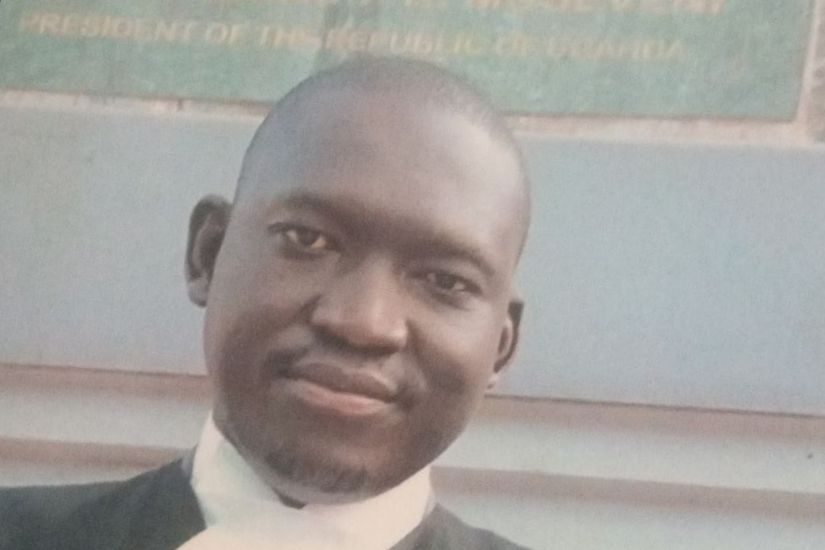
The author is an Advocate of the Ugandan Courts of Judicature, currently at, M/S Okurut-Magara Associated Advocates, Adjumani. He is a Rule of Law pundit who firmly believes that without the Rule of Law, Lawyers will become unemployed and society will regress backwards towards anarchy.
Contact us:
Mobile: +256789856805
Email: ambrosenen@gmail.com
DISCLAIMER; This blog is for public awareness and general information purposes. The contents here in are not intended to serve as legal guidance. The author accepts no liability for injuries, legal or otherwise arising or connected with use of legal information in this blog.
Readers are encouraged to consult qualified attorneys in their areas of Jurisdiction for situation specific legal advice and courses of action.
 enenlegalworld
Leave a comment