If you are joining us for the first time: In Episode 1, we visited Abongodero, the village named after Mzee Zakayo’s ingenuity. Zakayo never built a granary. He traded cattle for the harvest of others. His son, Okello Anyapo, inherited land but not discipline. When hunger came, his uncle Owera Apur, the only farmer who actually built, opened his granary to him. No rules. Just access. Okello emptied it, smiled, and said: “You allowed me. I merely accessed.” The proverb echoes still: You never send a starving man to the granary.
In Episode 2, we lifted our eyes from the village and saw Uganda’s constitutional granary, built in 1995. The Constituent Assembly, our Owera, filled it with independence, fairness, accountability, and public trust. Then they handed the keys to Parliament and commanded: build walls, regulate who enters, who eats, who guards. For thirty years, Parliament did nothing. They left the granary to the Judicial Service Commission—a body of insiders, judges, and the Attorney General. It was as if Owera had handed Okello the keys and appointed his hungriest siblings as overseers. We witnessed the seven famines: the Shs 763 billion justice tax, the incompetence shield, the two‑man recruitment cartel, the executive pocket veto, the criminalization of transparency, the ghost tier of unaccountable officials, and the commission that judges itself. When the Uganda Law Society cried out, it was met with injunctions, uncause‑listed petitions, stalled elections, and the quiet gutting of the granary.
In Episode 3, we watched while the petition slept. ULS Constitutional Petition No. 12 of 2025 was filed, laying bare the rot. Alongside it came Application No. 11 of 2025, asking the court to halt all judicial appointments until the petition was decided. The Constitutional Court did not cause‑list that application. So the appointments proceeded. The new Chief Justice, Flavian Zeija, and the new Principal Judge, Jane Francis Abodo, were sworn in, while the man who would become Chief Justice had presided over the very court that received the application to pause his own appointment. The court did not list it. No reasons were given. In Abongodero, the elders say: when the man guarding the granary door benefits from what passes through it, the door stays open.
Now we arrive at the question no constitution can answer.
Of invocations, supplication to the ancestors!
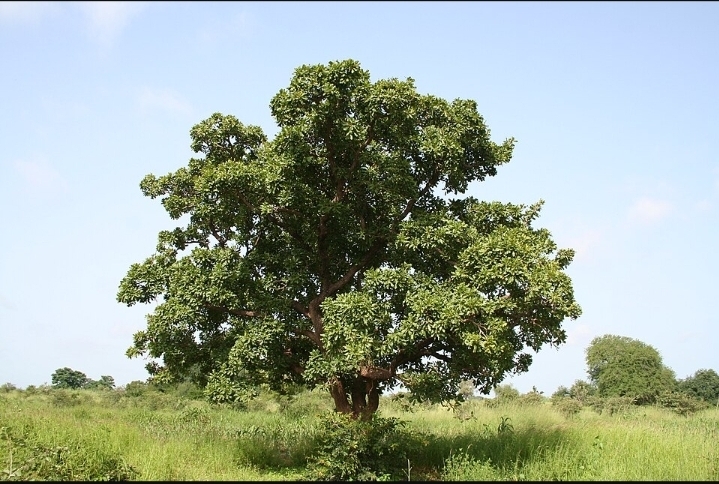
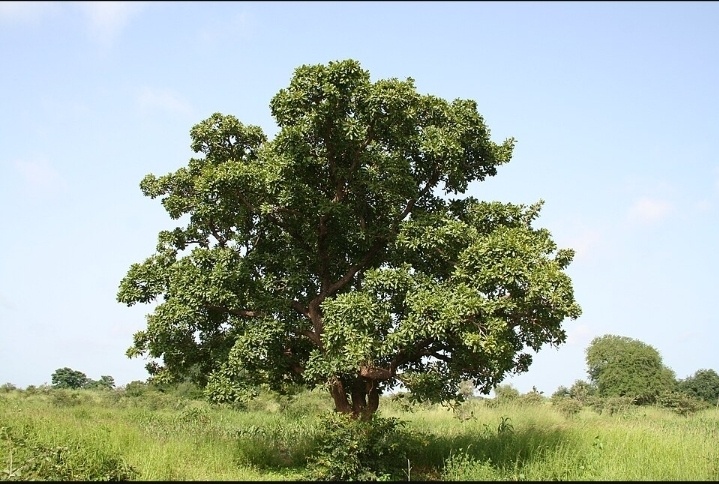
Under the ancient ojede cii tree in Abongodero, as the sun bled its last light across the horizon and the first shadows of night crept in like uninvited mourners, Owera Apur returned alone. The shea nut tree-yao, stood immovable, its 160‑year‑old trunk scarred and resolute, roots plunging deep into the fertile black earth that had swallowed generations of the departed. Its wide canopy spread like outstretched arms, ready to receive the heaviest of burdens. No one else was there. Only the wind, the rustling leaves, and the aching silence of a man whose soul had reached its limit.
He fell to his knees at the base of the trunk, pressing his forehead against the rough bark until it bit into his skin. His hands clutched the earth, fingers digging into the soil as though he could pull the ancestors up by their very bones. Tears already streamed down his weathered face, unchecked, unashamed. And then the plea began, not as words, but as a broken wail from the depths of his spirit, echoing the desperate cries of mothers who once stood barren before the altar, begging for life where death had taken root.
“Ancestors of this land! You who planted the first seeds under this very ojede cii… hear me! I pour out my soul before you like water spilled on thirsty ground. My heart is poured out; my spirit is crushed. How long, O spirits of the soil and sky, how long will you stand silent while the wicked gloat over our suffering? How long shall you watch the thief laugh while the righteous weep blood?”
He struck his chest with a closed fist, once, twice, three times, each blow a drumbeat of agony.
“Zakayo… my brother… my blood… you who walked this earth before me, you who left us too soon, where are you in the realm of the ancestors? Come near! Stand with me under this tree that has outlived us both. I call you by name, Zakayo, as a child calls for its father in the dark. You who focused only on trade, on the markets, on the coins that flowed through your hands… why did you forget? Why did you not teach your son Okello the sacred things? The hard work that bends the back but strengthens the soul? The resilience that stands when storms come? The honesty that keeps a man’s word sharper than any spear? The endurance that tills the land until it yields, even when the rains refuse to fall?”
Owera’s voice cracked, rising into a lament that shook the leaves above him.
“You left him weak, Zakayo! A son who cannot till the soil, who cannot plant one seed with his own hands, who cannot endure even one dry season without complaint. Yet he feels entitled, entitled to be fed, entitled to the inheritance, entitled to the sweat of others while he sits in the shade and demands! Entitlement without accountability! A child who never learned that the earth gives only to those who bleed into it first. And now he has become the thief, the one who rigs the elders with bribes and twisted promises, the one who silences the council that should guard justice. He walks untouched, laughing, while we starve in spirit. How now shall we live, my brother? Tell me, how shall we live when the son you left behind devours what the ancestors planted for all?”
He rose unsteadily, circling the massive trunk, palms sliding over the bark as if reading every scar of time.
“Spirits of Abongodero, guardians who remember every oath sworn beneath this ojede cii… contend with him! Rise up against Okello as you once rose against those who betrayed the land. Let his rigged elders tremble in their sleep. Let their tongues turn bitter with the silver they swallowed. How long will you watch the wicked gloat? How long shall the guilty feast while the innocent gnash their teeth in hunger? The scales are broken. The voice of the wronged is buried under promises and lies. The family bleeds still because justice is denied. Zakayo, intercede! Ojede, our father, intercede too! Manaci our grandfather and Oluge our great great gandfather, all of you, tell the ancestors: the wound festers. Your own blood, Okello you left behind has become the shadow that blocks the sun.”
The plea deepened, repeating like waves crashing against an unyielding shore. Owera poured libation from a calabash, water mixed with Wiri (kwete), letting it soak into the roots while his voice rose higher, raw and unrelenting.
“Ancestors, if you yet walk among us, if blood still calls to blood… see my tears! See my brokenness! I have no more strength to carry this alone. The child you left behind, Zakayo, has grown into a man who knows only taking, never giving. He cannot plant, cannot harvest, cannot endure, yet he claims everything as his right. Entitlement without sweat! Without honesty! Without the resilience you never taught him! And now the elders dance to his tune, the council is bought unlike Ojede and Manaci, who resolved disputes between their people in Abongodero with stoic intergrity. Now we are left asking: How shall we live? Shall we teach our own children to bow to thieves? Shall we not pass on the legacies of Ojede and Manaci? Shall we swallow silence until it poisons our blood? Shall the ojede cii itself bear witness to our shame forever?”
He fell to the ground again, prostrate, forehead in the dust, body shaking with sobs that came from a place deeper than grief.
“How long, O ancestors? How long shall you watch the wicked prosper while we waste away? How long shall Okello’s laughter echo across the land you blessed? Intervene! Unravel the knots he has tied with silver and deceit. Expose the bribes in the full light of day. Let the rigged council fall like dry leaves in the wind. Shake this tree if you hear me! Stir the branches! Let Zakayo’s voice thunder through the canopy! Give us a sign that we are not forsaken, that justice sleeps but will awaken like a lion from its lair!”
The night had fully claimed the sky. Owera Apur’s voice had grown hoarse, yet the lament continued pouring out, wave after wave, until the air itself felt heavy with the weight of his words. He remained there, drenched in sweat and tears, chest heaving, hands still clutching the sacred roots. The ojede cii stood silent… but the leaves began to tremble, not from wind alone. A single low murmur seemed to rise from the depths of the trunk, as though the ancestors were gathering, listening, weighing every broken syllable.
The crescendo hung in the darkness like smoke from a sacrificial fire, thick, unrelenting, desperate. The plea had been poured out completely, soul‑bare and unfiltered, just as a barren woman once poured out her anguish before the altar, vowing everything if only life would come. Now the veil was torn wide open. The spirits hovered close. The tree itself seemed to breathe.
And under its ancient shade, Owera Apur waited, heart laid bare, knowing that something, somewhere, had heard the cry.
In the next episode: we shall see that ancestors have answered prayers before, elsewhere, far away from Abongodero.
Episode 5 drops tomorrow. 5 PM.
[End of Episode 4]
 enenlegalworld

Leave a comment