Tag: Dictatorship

  • Foot Soldier’s Last Stand: Inside the Madness of Sycophants, Rogue WhatsApp Admins, and the Northern Bar Bench Forum

    Foot Soldier’s Last Stand: Inside the Madness of Sycophants, Rogue WhatsApp Admins, and the Northern Bar Bench Forum

    Photocredit: Team of Advocate Paul Mukiibi with their Brand: Chain breakers in the campaign to represent the Uganda Law Society at the Judicial Service Commission.

    It started like a flicker—a tiny spark of defiance that should’ve ignited a roaring wildfire of rage and justice. Instead, it was smothered by the gargantuan, self-righteous boots of censorship, as if the admins of the Northern Bar-Bench Forum were playing the role of divine gatekeepers to the underworld of logic, reason, and free speech. It was the perfect storm waiting to brew, and here we were, caught in the vortex of unrelenting madness.

    Imagine this: a friend—let’s call them Advocate C—dared to share a link to an article so scorching that the digital air itself trembled. The scandal? The Honorable Chief Justice, in a move so brazen it could only be conceived in the dankest corners of the power-obsessed universe, allegedly schemed to extend the retirement age for Supreme Court Justices. Why? To keep his gnarled hands on the throne, forever and ever. He also decided to appoint an Acting Principal Judge without so much as a whiff of the President’s blessing, like a schoolyard bully claiming the lunchroom as his own personal fiefdom. The legal streets of the Forum exploded in righteous fury, an inferno of truth and justice clamoring for attention.

    And then… the admins. Oh, the admins. The self-crowned, self-important emperors of silence—oh yes, those power-hungry weasels. They descended like locusts, their ban-hammers blazing. Link? Gone. Criticism? Erased. “Don’t post things that make other members uncomfortable,” they decreed, as if comfort was the holy grail of democracy. What’s uncomfortable, you ask? The CJ’s alleged power grab that should’ve made every Ugandan’s blood boil? That’s what should’ve made us all “uncomfortable.” But no, not in their world. The admins had a higher calling: the suppression of truth, under the guise of “unity” and “comfort.” What a joke.

    That night, at 8:43 PM, the world shook. I—Ambrose Enen—I was done. I had had enough of their charade. With the force of a thousand furious lions, I stormed into the admins’ fortress of lies. I sent them a question that cracked their gilded masks and made their self-satisfied jaws clench like desperate prey:

    “Why are you strangling debates about the Hon. Chief Justice, you cowardly sycophants?”

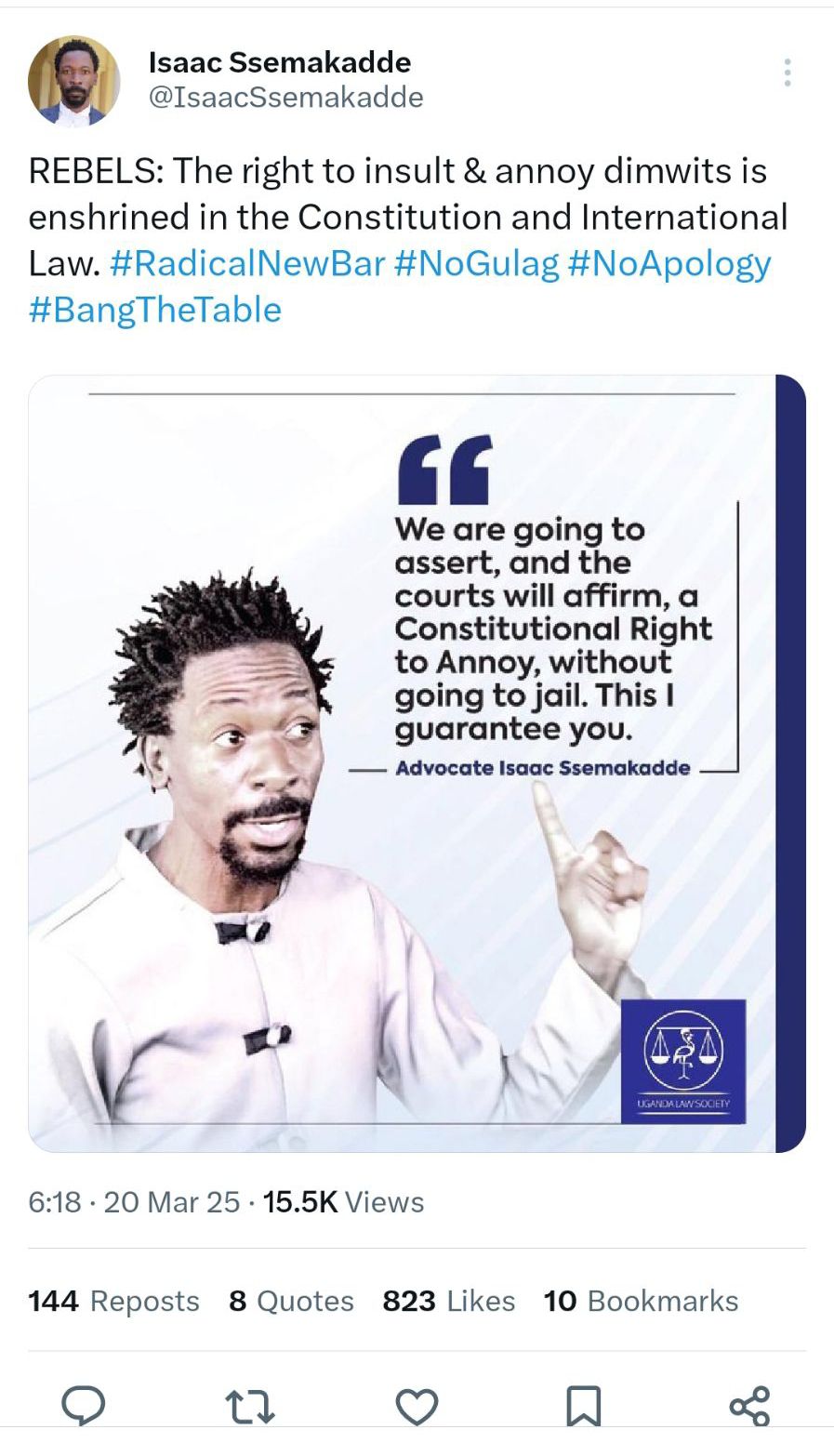
    I threw down the gauntlet, demanding they justify their pathetic, trembling submission to the powers that be, to shield His Lordship from the fire of scrutiny. The CJ had once bellowed like a lion, declaring, “If you’re not criticized, it means you’re doing nothing and the people just choose to ignore you!” And here they were, trying to shield him from even the faintest whiff of criticism. Hypocrisy? Monumental. So, I unsheathed Article 29 of the Constitution like a blazing sword and sliced through their pitiful, sanctimonious excuses with the fury of an avenging god. I invoked the speech of the Chief Justice himself when he delivered his own lead Judgment in Kabaziguruka case, where the Supreme Court put a grinding halt on the trial of civilians in the Court martial. The Chief Justice was referring to President Isaac Ssemakade’s work method, weekly public press engagements dubbed the “RNB Live” in which fireballs were hurled at the Justices of the Supreme Court for delaying to deliver that very judgment. The very Supreme Court had in an earlier judgment in the case of  Charles Onyango Obbo and Andrew Mujuni Mwenda had crowned free speech as an untouchable deity, immune to the fragile egos of all public officials from the President to the Military.

    Read a copy of that Judgment here:

    Related: read also: https://enenlegalworld.wordpress.com/2024/11/20/revisiting-free-speech-professional-ethics-and-gender-sensitivity-in-uganda-a-legal-and-social-analysis/

    I screamed at them, demanding they answer me: Had they erased the CJ’s own edict—that criticism is the lifeblood of action? Or had they buried the people’s right to challenge power under a mountain of self-inflicted fear?

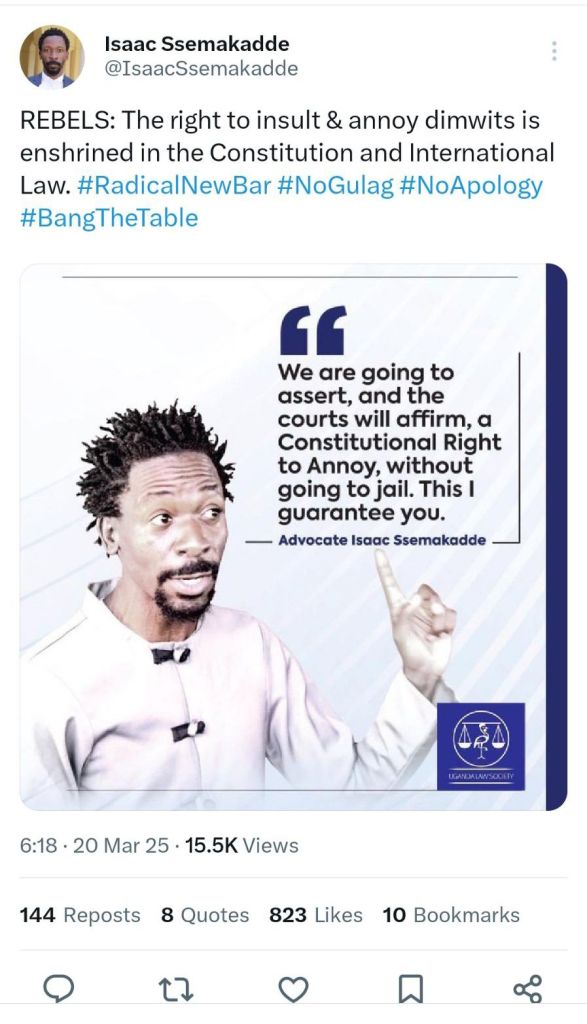
    I didn’t stop there. I summoned the name of the great Isaac Ssemakadde, a volcano of legal brilliance who melts the hearts of tyrants and leaves them quaking in their boots. His name sent ripples of panic through their ranks, like a shark’s fin slicing through calm waters. And I laughed—loudly—at their terrified whimpering.

    The admins’ response? Hilarious. They pulled out the same tired, sanctimonious rhetoric, claiming the Forum, created in 2019 by the then “mighty” Conrad Oroya, was meant to unite “advocates” and “judicial officers” from the greater North. They paraded their so-called patrons, from the CJ down to the lowliest Magistrates, and tried to paint themselves as paragons of unity and reason. But wait—oh wait—they accused the Radical New Bar (RNB) of destroying the Forum, branding us as “scourges of the legal profession.” Apparently, our “scathing attacks” were too much for their fragile egos, too sharp for their delicate sensibilities. They shrieked that we’d turned their sacred Forum into a warzone. And that—that was their best excuse for censorship.

    But, my friends, that wasn’t enough. They threatened to boot us out, to banish us from their “pious” space where only their carefully curated lies were welcome. Oh, how I laughed. I thought of Maxime Rovere’s words in his book, How to Deal with Idiots and not be one yourself: “Idiots infest every cesspool, even the loftiest halls of government.” But this wasn’t a government cesspool, oh no. This was a digital one, run by clowns in armor of “civility” and “comfort.” I held back my laughter only because it was a laugh of pure, unadulterated rage.

    The admins couldn’t take the heat, and then, boom. A revolution. It didn’t come in the form of an army, no. It came in the form of words. Words sharper than a thousand blades.

    A Grade 1 Magistrate—yes, a Grade 1 Magistrate—came for them, tearing through their lies like a wildfire through dry grass. “Article 29 doesn’t grovel before judicial comfort,” they roared. “You’re strangling debate about the CJ, and in doing so, you’re ripping the soul from the legal profession itself.”

    Then, like a chorus of angels singing the hymn of truth, came another Magistrate. It came with fire in their belly and venom in their words. “Your fear of the Radical New Bar only exposes your cowardice,” they snarled. “You’re terrified of a few questions—questions!—about the CJ’s power plays. What kind of admins are you?”

    Then came Advocate A—oh yes, Advocate A—with a fire so hot it could melt the very walls of their sanctimonious den. They came at the admins like a raging storm, laughing at their pathetic attempts to shield the CJ from the rightful fire of criticism. They mocked them for their “bootlicking” and told the admins to lick the dust. They didn’t just fight—they laughed in their faces. And their message? “You’ve earned this defeat, you glorious cowards.”

    But that’s when the real rebellion began. Just after my banishment, Advocate B—yes, Advocate B—launched a tidal wave of resistance. “See you in Gulu Learned Friends,” they sneered. “But first, post that message which  was deleted here!”

    The forum’s demise wasn’t my banishment. Oh no. It died when it sold its soul, when it chose silence over truth, when it cowered before power. And here’s the thing—the admins? They didn’t even see it coming.

    But then came the words of Isaac Ssemakadde—oh, those words, those molten words that seared their way into my soul. “Impunity’s greatest weakness is the craving it has for respectability, legitimacy, and sycophancy. Deny it one of those lubricants, and you will begin to see ‘how the mighty fall.’ So fast.” And then he said the words that would light the fuse of my rebellion for good: “Principle is always vulnerable in the face of power; especially in spaces of long-term subjugation where the legal culture is manipulative & unapologetic in defence of power. Only a revolution, grounded in principle, can reverse things now.”

    I heard it. The call. The revolution, forged in fire and principle, was now in my blood. And so, like a storm that cannot be stalled, I went to battle. Unbanned. Unbowed. Unafraid.

    Because here’s the truth: The Northern Bar-Bench Forum was supposed to be a crucible of ideas, a place where Uganda’s brightest minds clashed, burned away the dross, and emerged better. Instead, it became a cesspool, a sanctuary for the most dangerous thing of all: fear. Fear of truth. Fear of scrutiny. Fear of Article 29.

    And in that fear, they forgot. They forgot what a forum was meant to be. They forgot that power, unchecked and unchallenged, is the very thing that devours empires.

    So here’s to the outcasts, the truth-tellers, the Ssemakaddes who set the world ablaze with righteous fury! Here’s to Advocate A, Advocate B, and every single renegade who refused to bow before the gods of comfort. Here’s to Article 29 and the indomitable, damn-near-holy faith that free speech isn’t a gift from admins or judges—it’s our birthright, you small little intern Honorable WhatsApp administrator dictators!
  • OF CHAINS AND ROBES: When the Judiciary Surrendered Its Soul at the Altar of Power

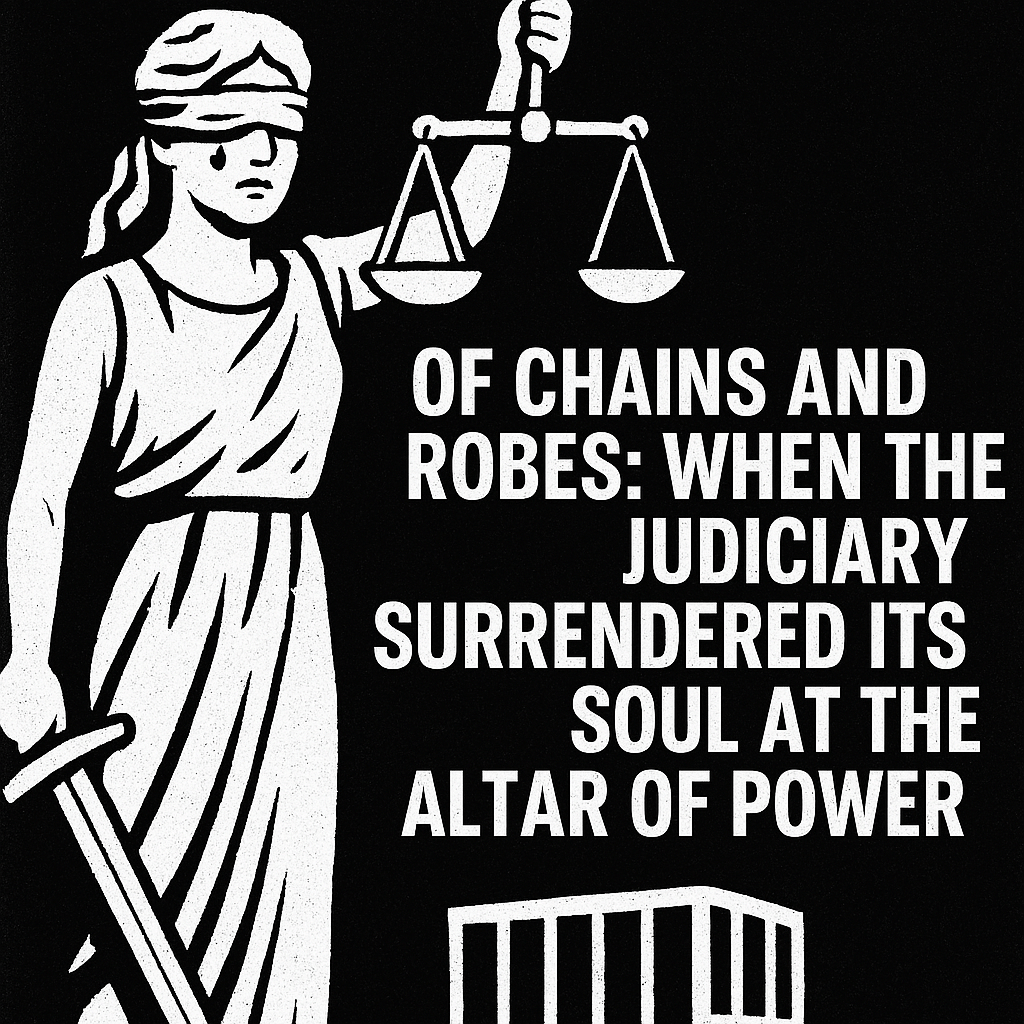
    OF CHAINS AND ROBES: When the Judiciary Surrendered Its Soul at the Altar of Power


    They told us Lady Justice was blind. Yet no soul foretold us that she could be gagged, chained by red tape, or forced to perform a scripted dirge for the state—while the true conduct of justice withers in her silent grasp.

    This is the tragedy of our times:
    On one fateful day, under the looming shadow of executive power, the Judiciary refused bail to Dr. Kizza Besigye—not because the law demanded it but because the long finger of the Executive had darkened the halls of justice. The gavel itself seemed to quiver in fear.

    In a nation where the very concept of “public interest” is weaponized, such a ruling is not just injustice—it’s a full-throated political press release performed by a bench too timid to uphold the Constitution. Uganda does not merely serve up injustice; we marinate it in irony, wrap it in drama, and serve it with a side of bitter satire.

    Then enters the spectacle of The Ssegirinya Case.
    Hon. Muhammad Ssegirinya—a brave legislator whose voice once roared in opposition—died at a hospital right here in Uganda and was laid to rest in Masaka amid national mourning. Parliament wept. The Electoral Commission hustled. A by-election crowned Counsel Nalukoola as the Honorable Member of Parliament for Kawempe North Constituency. The new MP elect was gazetted and subsequently took the oath of a member of Parliament and yet, the Judiciary clung to absurdity:
    “We need a death certificate to terminate the criminal case against him.”

    Imagine: while Parliament already acknowledged his passing, the Chief Magistrate’s Court demand forensic proof—as if they were guarding against a zombie revival in the halls of justice. Some things, Your Worships, don’t need official state records like a death certificate; they require judicial notice. Ssegirinya is gone. No amount of legal formality can reverse that truth. To be slightly more cheeky and dramatic about it, will the Court issue criminal summons or an arrest warrant to produce the fallen legislator before Court? Yes, that is the absurdity we are talking about.

    Meanwhile, within the oppressive corridors of power, a lone rebel rises. President Isaac Ssemakadde—a man both radical and resolute—was denied a podium at New Year Law Day, yet he found a way to become the voice for those silenced. Standing on a cold step outside the hallowed courtroom, he declared:

    “The Uganda Law Society doesn’t exist to soothe the egos of the Judiciary but to protect it from Executive Overreach.”


    That proclamation was not mere rhetoric—it was a rallying cry. No applause met his words, yet the Constitution itself, dusty and long-forgotten on a shelf, clapped with the thunder of truth.

    Adding a surreal twist to this saga, the ruling that doomed Besigye’s bail came on the heels of the anniversary of President Idi Amin’s regime collapse—the day Uganda first broke free from dictatorship. And as if the fates conspired further, on that very day, Justice Gadenya granted a stay of execution for the arrest warrant against President Ssemakadde. A copy of the Ruling by His Lordship Paul W Gadenya can be found here

    Read also about the international arrest warrant against President Isaac K. Ssemakade and why it was an embarrassment to the whole of Uganda’s Legal system here: https://enenlegalworld.wordpress.com/2025/03/20/red-alert-ssemakadde-and-ugandas-judiciary-in-the-international-firestorm/

    History, it seems, is writing its own epic:
    The ancient echoes of liberation mingle with our modern struggles, and even the ancestors of this Republic refuse to sleep.

    In the midst of this theatrical legal circus, one voice from the depths of exasperation cut through the clamor:

    “The law ceased being an ass. It’s now a pussy.”


    Unfiltered, incendiary, and laughably raw—this isn’t a mere quip but a savage indictment. When courts purr in the laps of power rather than bite down on injustice, we can’t pretend neutrality. We must call the rule of law what it is: law taking orders instead of serving justice.

    As we stand at the crossroads of history, our hearts burn with the hope for a future where truth rings louder than decree. Like the fabled moment when Pontius Pilate (in his own conflicted way) declared, “I find no guilt in this man,” yet allowed the crowd to dictate a cruel verdict, the Ruling of the Hon. Lady Justice Comfort denying Besigye’s bail Application even after finding that he had satisfied all the requirements reveals to all those who care to see that executive Overreach influenced the outcome of the decision. A copy of the ruling can be accessed here:


    So here we are—writing not for mere record but for revolution. This is no ordinary blog post. It’s a legal thriller, a national mirror, a soaring cry that condemns mediocrity and demands accountability.

    Justice, if you’re still alive—send us a signal.
    We’re here.

    And for the record—this blog is not an attack on the personal integrity or competence of the judicial officers concerned. It is a constitutional critique—bold, unfiltered, and fully protected as free expression under Article 29 of Uganda’s Constitution. We aim not to tear down but to build a Judiciary worthy of public confidence, not executive approval.

  • Red Alert: Ssemakadde and Uganda’s Judiciary in the International Firestorm

    Red Alert: Ssemakadde and Uganda’s Judiciary in the International Firestorm

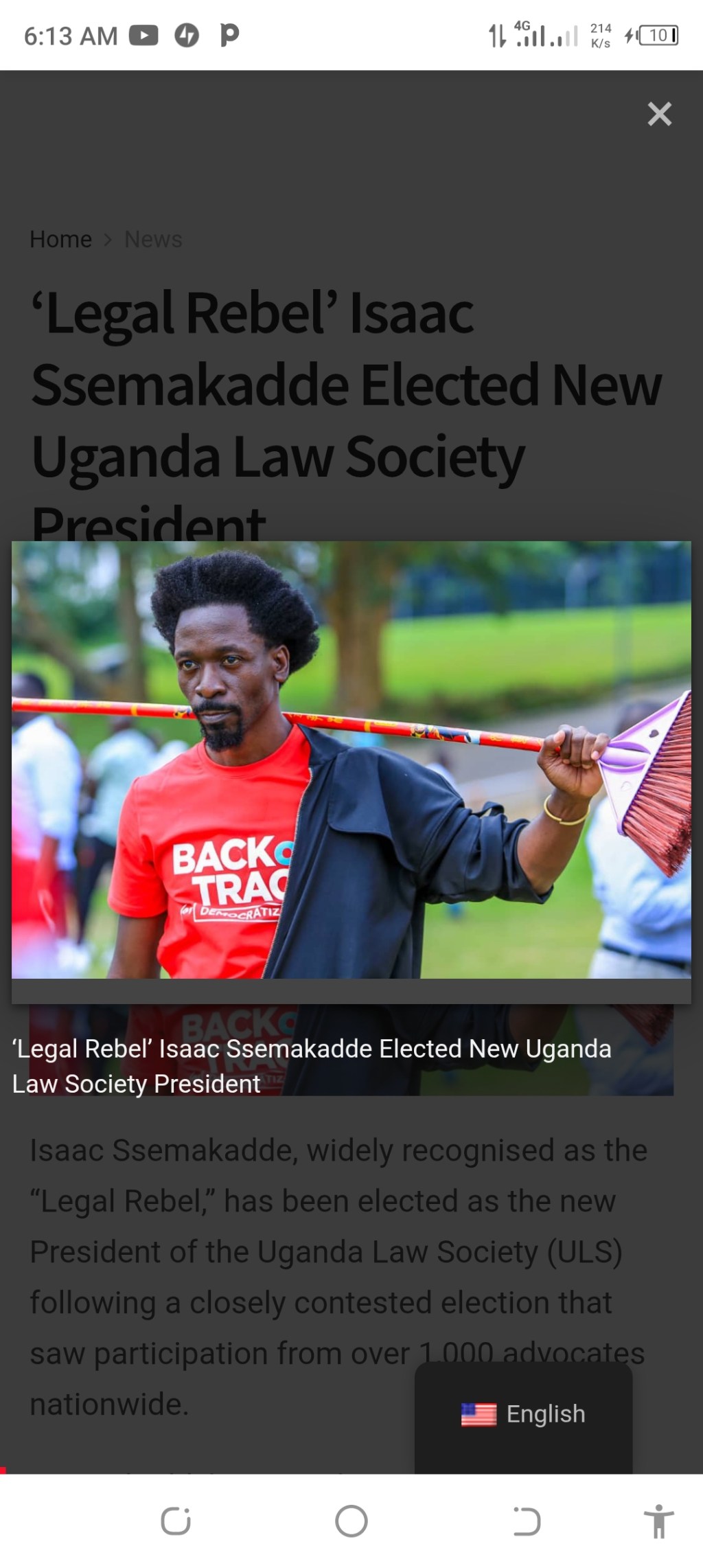
    Image: President Isaac Kimaze Ssemakade. Image Credit: Isaac Ssemakade’s X(formerly Twitter post)

    Uganda’s judiciary just went full-on nuclear—and there’s no holding back. On New Law Year day, the very system that’s supposed to be the bastion of justice turned into a circus. The ULS President got stonewalled, the Chief Justice practically demanded an apology, and then came the blow—Justice Ssekana slammed down a two-year sentence on Ssemakadde for contempt of court. It wasn’t just a ruling; it was a middle finger to anyone who dared question the establishment.

    And if that wasn’t enough, the entire scandal is being dragged into the international arena. The Judiciary, in a move that can only be described as a self-inflicted public relations massacre, has tried to weaponize an Interpol Red Notice for an offense as laughably flimsy and culturally controversial as  “insulting the modesty of a woman.” Yes, you read that right. While Interpol is busy chasing down genuine threats, war Lords, Drug cartels, Uganda’s courts are out here acting like they’re in a personal vendetta—pursuing a man for throwing sharp words at the system.

    The madness deepens: the whole legal shambles that produced the warrant is under revision in the High Court, completely unattended, like a sinking ship left to rot. And guess what? Ssemakadde isn’t going down without a fight. He’s vowed, through his legal team, to challenge any Red Notice that dares to be issued against him—an audacious promise that practically screams “bring it on!”

    Meanwhile, the Executive and Parliament, both seasoned in navigating international diplomacy, stand in stark contrast to the Judiciary’s response. Having faced sanctions, blacklisting, and travel bans in the past, they are well-versed in managing the complex web of international scrutiny, asset freezes, and the like. Who doesn’t recall the free Bobi Wine protests that rocked global capitals. Who doesn’t recall a foreign affairs minister who was on global travel sanctions. Have we very quickly forgotten the backlash from Western states when the Uganda’s Anti-Homosexuality Act was passed into Law and upheld by the Constitutional Court. Experts and negotiators from the Ministry of Foreign Affairs burnt the midnight oil and the Ugandan state is still here to stay. The Judiciary, however, is primarily trained in upholding decorum, judicial conduct, and domestic legal frameworks. It is ill-equipped to handle the nuances of foreign policy, international relations, and diplomacy. So, the real question is: if the international community begins to ask hard-hitting questions about accountability and the rule of law—questions that go beyond the courtroom—will the Attorney General and the Ministry of Foreign Affairs step in to shield the Judiciary from the fallout? Or will they be left to fend for themselves, with their lack of expertise in international relations becoming glaringly apparent?

    Yes, development partners like the European Union, funders of the SUPREME project, Pepperdine University behind the plea bargain project, IDLO, Amnesty International, the Democratic Governance Facility (who knows they may come back) will have key questions about transparency, accountability and Rule of Law, directly addressed to our third estate about where their Millions of Aid is going. They will not be amused if they think their resources are being deployed to fight what appears to be petty fights.

    And what more, individual partner states with a long tradition of democracy may refuse to hand over President Ssemakade on grounds that the Red Notice is politically motivated and targeting free speech and dissent. Dramatically enough, interpol itself may refuse to put out the Red Notice, why? It goes against the Interpol Constitution. The offense leading up to the warrant isn’t listed as one of those for which a Red Notice can be put out and enforced.

    This isn’t your everyday legal drama; it’s a blood-soaked, high-stakes showdown where the very soul of Uganda’s justice system is on trial. Ssemakadde, with the cunning of a renegade professor from Money Heist, baited the Judiciary into a carefully crafted trap. Just like the Professor orchestrated the heists with meticulous precision, Ssemakadde pulled off a legal masterstroke, using the Judiciary’s own flaws against it. His provocation wasn’t a reckless act of defiance; it was a radical surgery planned to expose the raw, festering wounds of Uganda’s ailing legal system. The Judiciary walked straight into his trap, and now the courts stand naked and vulnerable on the global stage.

    So here we are, witnessing a system that once prided itself on upholding justice now doing a complete 180 into chaos. The Judiciary has thrown down the gauntlet, and if the international community decides to respond, it won’t be a pretty sight. The madness is palpable, the stakes are astronomical, and the fallout could reshape Uganda’s legal landscape forever.

    At this point, there’s only one entity that can pull Uganda’s judiciary back from the brink of absolute disaster: the relevant High Court Judge. The request for a Red Notice is a ticking time bomb, and if it’s not halted right here, within the Judiciary itself, the fallout will be catastrophic. The international community is already watching, and Uganda’s fragile legal system is on the verge of being exposed in the harshest possible light. This isn’t just about one man; this is about the future of Uganda’s justice system and its credibility on the world stage.

    But amid the chaos, there’s still hope. There are still clean judges, magistrates, and lawyers who believe in the integrity of the law and the values of justice. This system is not beyond redemption, but it’s going to take those who truly care about upholding the rule of law to stand up, speak out, and fight for a better, fairer future. This moment—this unprecedented crisis—can be the turning point for Uganda’s legal system if the right people step forward.

    The Judiciary stands at a crossroads. If swift, decisive action isn’t taken now, Uganda’s courts will find themselves at the heart of a global scandal—a bloodbath of embarrassment from which there may be no recovery. This is the moment of truth. The question is: will the Judiciary rise to the occasion, or will it collapse under the weight of its own mistakes?

    The clock is ticking, and the time for action is now. The relevant High Court Judge holds the key—let them make the right call before it’s too late.

    DISCLAIMER: This Blog is not made to attack the institution of the Judiciary but to spark conversations and discourse on vital reforms.

    More about the author on the about page for feedback and comments.

  • Foot Soldiers Fight Back: Free Speech, Social Media, and the Battle for Judicial Accountability in Uganda

    Foot Soldiers Fight Back: Free Speech, Social Media, and the Battle for Judicial Accountability in Uganda

    Judicial power in Uganda is not a divine right handed down to judges in solemn robes. It is borrowed authority from the people, and when borrowed power is abused, the lenders have every right to demand accountability. That is what happened when Ugandans erupted in fury over Justice Douglas Singiza’s decision to adjourn a habeas corpus application, effectively prolonging an already illegal detention.

    This was not an internet tantrum—it was a constitutional defense mission, executed in real-time by citizens who understand their rights better than some of the people wearing wigs in courtrooms. Article 126(1) of the Constitution is clear:

    Judicial power is derived from the people and shall be exercised in conformity with the law and with values, norms, and aspirations of the people.”

    So, when the people declare that a ruling has spat on their constitutional values, they are not just complaining—they are executing their duty to keep judicial power in check.

    This is not the first time Singiza has found himself at the center of a human rights disaster. When Kakwenza Rukirabashaija, a novelist and torture victim, applied to retrieve his passport for urgent medical treatment abroad, it was Singiza—then Chief Magistrate at Buganda Road Court—who denied him. His reasoning?

    👉 “Ugandan hospitals can handle his condition.”

    Imagine suffering broken ribs, festering wounds, and open scars from state torture, only for a judge to declare that a hospital in Wandegeya is sufficient to handle what should be a war crimes case. This is the same judge who, three years later, sends Besigye and Lutale back to illegal detention while he thinks about their habeas corpus plea.

    The pattern is now too clear to ignore—delayed justice when it benefits the state, procedural gymnastics when fundamental rights are at stake, and then a full-blown judicial meltdown when the public calls it out.

    And how did Singiza react to the backlash? Like a true 21st-century authoritarian—he made the ruling about himself. Instead of addressing the constitutional chaos he created, he spent his precious obiter dicta crying about online criticism.

    What’s next? Should Ugandans start seeking judicial permission before commenting on court decisions? Must all legal critiques now be submitted in triplicate, with an affidavit from a Senior Advocate?

    This is a dangerous trend—a creeping attempt to criminalize judicial criticism and insulate courts from the same public scrutiny that every other arm of government faces.

    The executive is insulted daily.
    The legislature is mocked in real-time.
    The military is dragged through the mud.

    But the judiciary wants to be untouchable?

    In Onyango Obbo & Andrew Mwenda v. Attorney General, the Supreme Court made it clear that public officials—including judges—must tolerate criticism. Free speech does not require politeness, and it is not invalidated because it offends the recipient.

    Yet, here we are, watching judges compose emotional victim statements in court rulings instead of defending the Constitution.

    This is not judicial independence—this is judicial fragility.

    Uganda has reached a crossroads: either the judiciary remembers that it serves the people, or the people will remind it in ways it will never forget. Judicial power, like all borrowed authority, can be reclaimed when misused.

    This is not a warning.
    This is a constitutional reminder.

    DISCLAIMER: This blog is not intended to mock or attack the person of the Hon. Justice Douglas Ssingiza. It is commentary on the interesting obiter dicta in the Habeas Corpus Application of Dr. Kizza Besigye and Obeid Lutale vs. Attorney General. The Ruling in that case can be found here:

    The author is a Rule of enthusiast. More in the about page.

  • The Radical New Bar Revolution: Expulsions, Boycotts, and the Battle for the Soul of Uganda’s Legal Profession

    The Radical New Bar Revolution: Expulsions, Boycotts, and the Battle for the Soul of Uganda’s Legal Profession


    Let’s not sugarcoat it: Uganda’s legal profession is in chaos. President Isaac Ssemakadde, the firebrand leader of the Uganda Law Society (ULS), has declared war—on the judiciary, on government interference, and, if necessary, on tradition itself. This isn’t your grandfather’s bar association anymore; it’s a Radical New Bar, blazing through a tired, creaking legal system with orders that feel less like bureaucratic memos and more like the opening shots of a revolution.

    It began with Executive Order No. 1 of 2024, a political earthquake that saw the Attorney General and Solicitor General expelled from the ULS Council. Yes, you read that right: expelled. Not asked to step aside politely, not nudged toward the door—expelled. President Ssemakadde called their presence a colonial hangover, an outdated relic that kept the Bar shackled to government influence.

    “The AG cannot serve two masters!” Ssemakadde thundered, and just like that, the most senior government lawyers were tossed out of the Council, their titles no longer recognized in what Ssemakadde calls “the House of Justice.” It was a raw, messy, unapologetic power move, the kind that made half the room cheer and the other half gasp. Love him or hate him, the man is not here to play.

    The Call to Boycott: Executive Order No. 3—A Legal Bloodbath?

    And now here we are, riding the shockwaves of Executive Order No. 3 of 2024, where the stakes have climbed even higher. This time, it’s not just government lawyers feeling the heat—it’s the advocates. All of them.

    The ULS has called for a boycott of Judge Musa Ssekaana’s court. Advocates are being ordered—yes, ordered—to stay away. The revolution demands solidarity. The revolution demands sacrifice. But here’s the burning question twisting every lawyer’s stomach: what happens when revolution clashes with professional duty?

    Imagine this: you’re an advocate with a client who’s been waiting months, maybe years for their day in court. They’ve sold their land, borrowed money, staked their entire future on this case. And now, because of the boycott, you’re supposed to turn to them and say: “Sorry, justice is on hold this month. We’re making a point.”

    Your professional ethics scream at you to stand by your client. The Advocates Act tells you that your duty to your client is sacred, almost holy. But the ULS says otherwise. The ULS says that this fight—this boycott—is bigger than you, bigger than your client, bigger than this one case.

    And if you defy the ULS? If you walk into Judge Ssekaana’s courtroom and do your job? Then what? Are you a traitor to the cause? A sellout? Will the ULS come for you next?

    This is not just a professional dilemma. This is a moral crucible, a test of loyalty, a trial by fire. Will you risk your client’s future, or will you risk your career? Isaac Ssemakadde has thrown down the gauntlet, and every lawyer in Uganda must decide where they stand.

    A Law Society Without Teeth? The ULS’s Fight for Power

    But here’s the twist that turns this legal thriller on its head: Can the ULS actually enforce any of this?

    Let’s step back for a moment. Under the Uganda Law Society Act, the ULS is tasked with upholding professional standards and improving the conduct of lawyers. But there’s a catch: the ULS can’t legally punish anyone. Not really.

    Disciplinary power lies with the Law Council, a separate government-anchored body. The ULS can yell, it can shout, it can issue Executive Orders with the fire and fury of a thousand revolutions—but at the end of the day, it cannot fine you. It cannot suspend you. It cannot strip you of your right to practice law.

    What it can do is drag your name through the mud, isolate you, and question your loyalty to the cause. And in a profession where reputation is everything, that’s no small threat. The ULS may not have teeth, but it has a loud voice, and right now, it’s shouting for all the world to hear.

    So what happens if an advocate defies the boycott and the ULS tries to discipline them? The answer is a legal nightmare. The accused advocate would challenge the ULS’s authority in court, and—oh, the irony!—they’d find themselves stuck in the very judiciary the boycott condemns.

    Justice delayed? Oh, yes. Justice delayed for years. That’s Uganda’s court system for you: clogged, slow, and sometimes deliberately obstructive. By the time the courts decide who’s right and who’s wrong, the boycott will be ancient history, and the ULS’s revolution will either be a roaring success or a long-forgotten whisper.

    The Bigger Battle: A Fight for Autonomy

    When Ssemakadde expelled the Attorney General and Solicitor General, he wasn’t just flexing muscle—he was making a declaration of independence. He wants the ULS to be a fully autonomous Bar, like those in Canada, South Africa, and other legal systems where the profession regulates itself, free from government influence.

    Take Canada’s Law Society of Ontario. There, the Bar has real power: it disciplines lawyers, sets standards, and protects the profession’s integrity. No government official sits at their table, holding sway over decisions that affect the legal profession.

    In Uganda, the presence of government lawyers on the ULS Council undermines that independence. Critics have long argued that the Attorney General and Solicitor General, as government agents, represent a conflict of interest—how can they serve both the executive and the profession simultaneously?

    By kicking them out, Ssemakadde ripped off the bandage and exposed the wound. But the wound is far from healed. Until the ULS is given real disciplinary authority, until it can act without begging the Law Council for enforcement, the revolution will remain just that: a revolution, full of fire but not yet law.

    The Chaos and the Choice

    The ULS has lit the match. The lawyers of Uganda now face the fire.

    Do they comply with Executive Order No. 3 and boycott the court, risking their clients’ cases, their livelihoods, and their professional ethics?
    Or do they stand up and say no, risking isolation, humiliation, and the fury of the Radical New Bar?

    This isn’t just a battle for the courts. It’s a battle for the soul of Uganda’s legal profession.

    Isaac Ssemakadde has made it clear: there’s no room for compromise. You’re either with the revolution or against it. And if you’re against it, you’ll have to answer not just to the ULS but to the future of justice in Uganda.

    The system is broken, yes. The courts are failing, yes. But will boycotts and expulsions fix it? Or are they just adding more chaos to the madness?

    What happens next is up to Uganda’s advocates. The storm is here, and every lawyer must decide: Will you stand in the rain, or will you bring the thunder?

    The revolution has begun. Where do you stand?

    My about me on my other blog posts and other useful disclaimers

  • Reflections of the Uganda Law Council’s Refusal to License Martha Karua

    Reflections of the Uganda Law Council’s Refusal to License Martha Karua

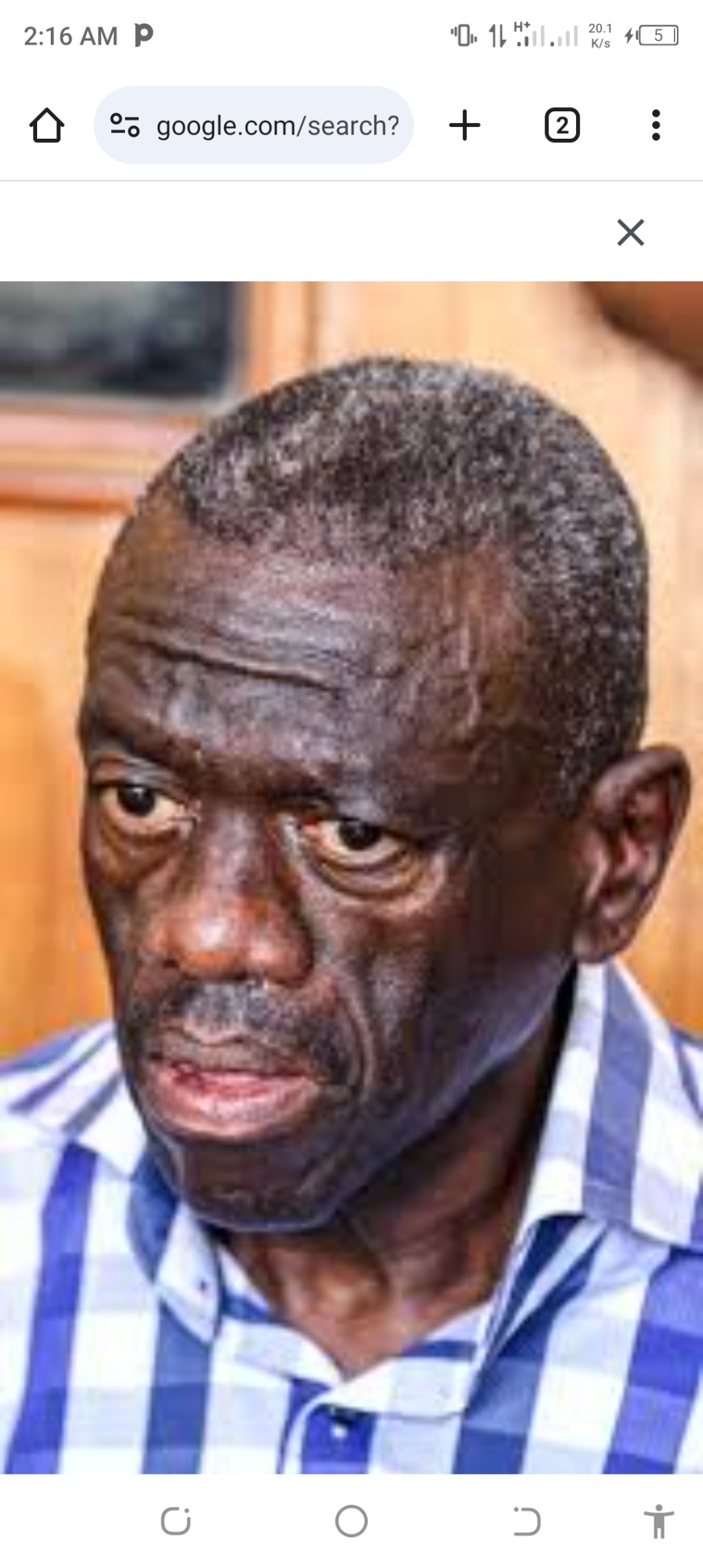
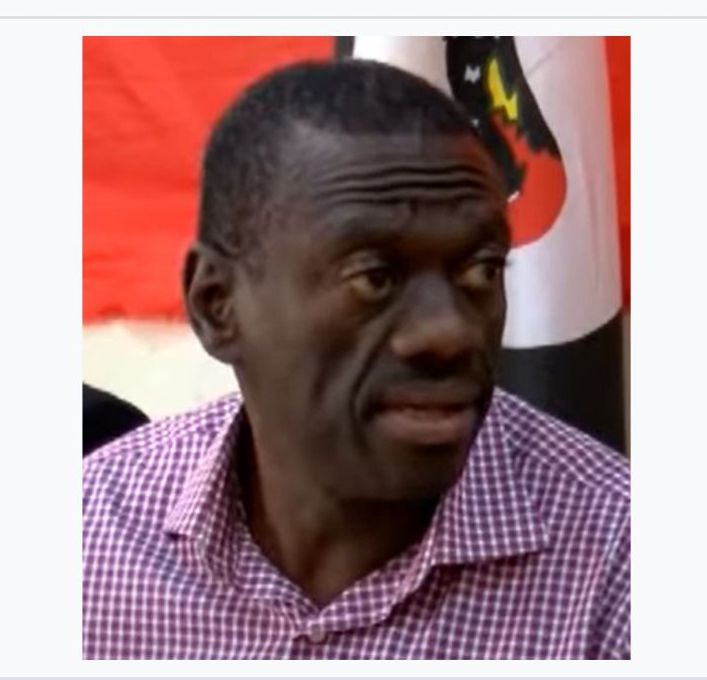
    Rtd Col. Dr. Kiza Besigye. Photo credit: Wikipedia


    The refusal by the Uganda Law Council to grant Martha Karua, a distinguished Senior Counsel from Kenya, a temporary practicing license to represent Dr. Kizza Besigye in his ongoing trial before Uganda’s General Court Martial has raised significant concerns in my mind about Uganda’s legal system, regional cooperation, and political interference. In this post, I will break down my perspective on why this decision is problematic, critiquing the reasons provided by the Law Council and exploring the broader implications it has for both Uganda and the East African Community (EAC) at large.

    Background Context: The Case of Dr. Kizza Besigye

    Dr. Kizza Besigye, one of Uganda’s leading opposition figures, was invited to Nairobi by Martha Karua for a book launch. During this event, Besigye was allegedly found with a firearm in his hotel room, which led to his controversial extradition back to Uganda. This case is more than just a legal matter; it raises important issues surrounding Kenya’s sovereignty, extradition laws, and the treatment of political figures within the region. Besigye’s trial before the General Court Martial has been heavily scrutinized, especially in light of the Supreme Court’s recent stay of a ruling by the Constitutional Court in the case of Michael Kabaziguruka v. Attorney General (Constitutional Petition No. 45 of 2016), which had declared that military courts in Uganda have no jurisdiction to try civilians.

    The refusal to grant Karua a temporary license, made by the Uganda Law Council, appears to be a politically charged decision, occurring against the backdrop of these ongoing legal and political tensions. As a legal professional, I find this decision troubling, particularly when considering the broader implications for regional integration and the rule of law in Uganda.


    The Reasons Cited by the Law Council for Denial

    The Uganda Law Council gave several reasons for denying Martha Karua a temporary license to practice law in Uganda for Besigye’s defense. Let’s examine these reasons critically and reflect on the potential political undertones and legal inconsistencies involved.

    1. Lack of Notarized Documents
    The Law Council argued that Karua’s application was incomplete because it lacked notarized copies of her practicing certificate, a letter of good standing, nationality documents, and academic qualifications.

    My View: This is a procedural issue that could have been easily remedied. Rather than outright denying the application, the Law Council could have requested the missing documents or offered Karua an opportunity to rectify the deficiencies. This decision to deny her based on minor technicalities rather than facilitating her compliance reflects poor administrative practice. A lawyer of Karua’s stature should not be obstructed by such minor procedural issues.


    2. Absence of a Valid Practicing Certificate for Erias Lukwago
    Another reason cited for the refusal was that Karua’s local sponsor, Erias Lukwago, did not have a valid practicing certificate. This was apparently a reason for not processing the application.

    My View: The idea that Karua’s application should be rejected because Lukwago did not provide a valid practicing certificate is misguided. Upon reviewing the Judiciary website, it is clear that Erias Lukwago has an active practicing certificate for 2024. The Law Council could have simply verified this information rather than using this as a reason to deny Karua’s application. The failure to make such a simple verification indicates either an oversight or an intentional attempt to complicate the process. This was an avoidable technicality that should not have been used as grounds for denial.


    3. No Special Expertise Brought by Karua
    The Law Council claimed that Karua did not bring any special skills that Uganda’s legal community lacked, suggesting that her involvement in the case was unnecessary.

    My View: This argument is deeply problematic. The client has a fundamental right to choose their lawyer, and Karua’s expertise was specifically sought by Dr. Besigye. Her representation was not about fulfilling some special legal need that Ugandan lawyers couldn’t address but rather about providing the client with a lawyer of their choice. This rationale dismisses the right of a person to have the legal representation they feel is best suited to their case. The Council’s argument undermines not only Besigye’s right to choose but also the principles of justice and fairness.


    4. Political Undertones
    The Law Council expressed concerns about the political nature of the case, suggesting that Karua’s involvement was motivated by politics, given her association with Besigye and her public stance as an advocate for democracy and human rights.

    My View: This is where I find the decision most troubling. The role of the Law Council is not to pass judgment on the political affiliations of individuals involved in legal proceedings but to ensure that justice is served. Karua’s political opinions or affiliations should have no bearing on the decision to allow her to practice temporarily. The Council’s decision seems to be a veiled attempt to politically sideline a lawyer based on her association with a political opponent of the government. This kind of interference in legal matters not only compromises the integrity of the Law Council but also undermines the fairness of the trial itself.


    5. Conduct Before Approval
    Karua was accused of “holding out” as an advocate before her application had been approved, due to her presence at the court proceedings.

    My View: Karua made it clear that she was attending the proceedings as a visiting jurist awaiting approval. She did not mislead the court or claim to be practicing without a license. The accusation seems to be an exaggeration, designed to discredit her professional integrity. This accusation, made without substantiation, adds to the sense that the Law Council was looking for any excuse to deny her application.


    6. Logistical Constraints of the Law Council
    The Law Council mentioned that it could not expedite the application process due to its members’ full-time commitments in other roles, making it difficult to process Karua’s application on time.

    My View: This is a failure of institutional management rather than a valid reason to deny an application. If the Law Council is unable to manage the process in a timely manner, it speaks to the need for reform within the institution. A delay caused by the Council’s own logistical constraints should not serve as a reason to deny an individual the right to practice law in Uganda, especially in a case of such significance.


    The Double Standards of the Law Council

    One of the most glaring inconsistencies in this case is the selective application of the Law Council’s rules regarding foreign lawyers. Historical precedents show that the Council has granted temporary licenses to foreign lawyers when it suits the political interests of the government. For instance:

    John Khaminwa, a Kenyan lawyer, was allowed to represent President Museveni in a high-profile election petition before the Ugandan Supreme Court in 2001.

    Jim Gash, an American lawyer, was granted a temporary license to represent a client in Uganda, working on juvenile justice reform.


    These instances clearly demonstrate that the Law Council is capable of granting temporary licenses to foreign lawyers when it is politically convenient. However, when it comes to a case involving a prominent opposition figure like Dr. Besigye, the same flexibility is not applied. This selective approach casts doubt on the impartiality of the Law Council and raises questions about whether political considerations played a role in the denial of Karua’s application.


    The Regional and International Implications

    The refusal to grant Karua a temporary practicing license also raises important questions about Uganda’s commitment to regional integration. The East African Community (EAC) Treaty and its protocols, including the Mutual Recognition Agreement (MRA), emphasize the free movement of professionals across member states, including legal practitioners. By denying Karua’s application, Uganda is in direct contradiction of these commitments, which could harm the spirit of regional cooperation that the EAC seeks to foster.

    Uganda’s actions appear to undermine the EAC’s goal of facilitating the free movement of labor and professional services. This decision is particularly paradoxical given President Museveni’s strong advocacy for regional integration. If Uganda continues to place political barriers in the way of legal professionals from other EAC member states, it risks isolating itself from the very integration processes that Museveni has long championed.


    The Uganda Law Society’s Advocacy for Reform

    In response to the Law Council’s decision, the Uganda Law Society (ULS) has rightly condemned the denial of Karua’s application as per incuriam—legally flawed. The ULS has also called for reforms to ensure that such decisions are made impartially, without political interference. Some members of the ULS have even gone so far as to advocate for the abolition of the Law Council altogether, citing its growing susceptibility to political pressure and inefficiency in handling applications for foreign lawyers.

    I fully support this call for reform. The Law Council, and indeed all legal institutions, must operate with full independence, free from political influence. The integrity of Uganda’s legal system depends on the ability of lawyers to perform their duties without fear of political repercussions. The Law Council’s decision in Karua’s case demonstrates the need for urgent reform to ensure that legal institutions are better equipped to serve the principles of justice impartially.


    My Call for Reform and Conclusion

    In conclusion, the Uganda Law Council’s decision to deny Martha Karua a temporary practicing license is not just a legal misstep but also a reflection of broader issues within Uganda’s legal system. The refusal to grant the license based on procedural technicalities, political undertones, and double standards casts doubt on the impartiality and fairness of the decision-making process. Furthermore, it contradicts Uganda’s commitments to regional integration and the free movement of professionals within the East African Community

    About author:

    ENEN AMBROSE

    The author is a Rule of Law enthusiast working at M/S Okurut-Magara Associated Advocates in the up country Town of Adjumani.

    DISCLAIMER: all information in this blog is for general knowledge and educational purposes and is not intended to provide legal advice. Readers are encouraged to seek qualified attorneys in their areas of Jurisdiction for situation specific legal advice and courses of action.

    Contact us:

    Mobile, 0789856805

    ambrosenen@gmail.com.

  • Untitled post 35

    A Moment of Reckoning: The Constitutional Crisis and Rise of Dictatorship at the Uganda Law Society


    The sudden expulsion of Isaac Ssemakadde as President of the Uganda Law Society (ULS) has triggered intense reflection within Uganda’s legal fraternity. This controversial move raises profound questions about the legality of his removal, the ethical implications of his leadership style, and the broader institutional challenges facing the ULS. At its core, the situation reveals tensions between professionalism, governance, and the external pressures that shape such decisions.

    This moment is a reckoning for the ULS, a professional body tasked with safeguarding the rule of law and justice. How the society navigates this crisis will define its integrity, independence, and democratic principles moving forward.


    I. The Controversial Leadership of Isaac Ssemakadde

    Isaac Ssemakadde’s tenure at the ULS was marked by bold decisions aimed at reforming the society and addressing systemic flaws in Uganda’s justice system. Key actions included:

    1. Expelling the Attorney General: Ssemakadde removed Kiryowa Kiwanuka from the ULS Council, citing conflicts of interest. This unprecedented move disrupted long-standing traditions and relationships within the society.


    2. Recalling Representatives to Statutory Bodies: He withdrew ULS representatives from critical bodies, including the Judicial Service Commission, in an attempt to enhance institutional independence.
    3. Suspending the CEO: The suspension of Mable, the ULS CEO, highlighted internal divisions and polarized opinions, with some viewing it as necessary reform and others as overreach.

    While Ssemakadde’s leadership won praise for its courage in challenging entrenched power dynamics, it also made him a target for criticism and possible retaliation from powerful actors within and outside the legal profession.


    II. Legal Questions Surrounding the Expulsion

    An Elected Leader Ousted by a Council

    Ssemakadde’s expulsion by the ULS Council has raised significant legal concerns. The Uganda Law Society Act grants the General Assembly the exclusive authority to remove an elected president. The process requires:

    Clear evidence of misconduct or violations of the society’s rules.

    Adherence to procedural safeguards, including a transparent and fair hearing.

    Validation of the decision through a vote at an Extraordinary General Meeting (EGM).


    The Council’s unilateral decision to expel Ssemakadde appears to bypass these procedural requirements, making the legality of the move questionable. If these steps were disregarded, the expulsion undermines the democratic framework upon which the ULS is built.

    III. Backlash to Ssemakadde’s Leadership and Style

    A Provocative Communicator

    Ssemakadde’s outspoken rhetoric, particularly his comments targeting public figures like Attorney General Kiwanuka and DPP Jane Frances Abodo, drew sharp criticism. While his critiques focused on systemic flaws—pretrial detention, judicial delays, and military trials of civilians—his use of provocative language became a point of contention, overshadowing the substance of his arguments.

    Critics accused Ssemakadde of damaging the dignity of his office, while his supporters argued that his tone was a reflection of the urgency of the issues he sought to address. This clash highlights the perennial debate between decorum and the need for robust critique in professional settings.

    IV. External Pressures and the Role of Politics

    Political Interference or Internal Coup?

    Many believe that Ssemakadde’s expulsion was influenced by external forces threatened by his reformist agenda. His removal of Kiwanuka and his vocal criticism of systemic injustices disrupted established power structures and may have provoked retaliation from influential political actors.

    If external actors influenced the Council’s decision, this represents a troubling erosion of the ULS’s independence. Such interference would compromise the society’s ability to fulfill its role as a defender of the rule of law.

    Risk to Institutional Integrity

    The expulsion of an elected leader under such circumstances sets a dangerous precedent, potentially transforming the ULS from an independent professional body into a tool for political agendas.


    V. A Leadership Void and the Imposition of a Dictatorship

    The expulsion of Ssemakadde has created a leadership vacuum, which the ULS Council has sought to address by appointing a caretaker committee headed by Secretary General Philip Munaabi. This decision has raised additional concerns:

    1. Unelected Leadership: By assuming presidential powers without a vote, Munaabi effectively becomes an unelected president. This undermines the democratic principles of the ULS.


    2. No Electoral Roadmap: The Council has provided no timeline or procedure for electing a new president, leaving Munaabi in a powerful position indefinitely. This risks turning an interim measure into a de facto dictatorship for the remainder of Ssemakadde’s term.


    3. Concentration of Power: Combining the roles of Secretary General and acting president consolidates executive and administrative authority in one individual, reducing oversight and accountability.


    These developments highlight the urgent need for transparency and adherence to democratic processes within the ULS.


    VI. A Call to Action for the ULS Membership

    The current crisis presents an opportunity for ULS members to reclaim their society’s integrity and independence. Key steps include:

    1. Demanding Transparency: Members must call for an Extraordinary General Meeting (EGM) to review the legality of Ssemakadde’s expulsion and chart a clear roadmap for electing new leadership.


    2. Safeguarding Democracy: The society must restore its democratic processes to prevent unelected officials from wielding unchecked power.


    3. Focusing on Systemic Issues: The legal fraternity must address the substantive critiques raised by Ssemakadde, including delays in justice, pretrial detention, and military trials of civilians.


    4. Resisting Political Interference: The ULS must reaffirm its independence and ensure that decisions are made transparently and without external influence.


    VII. Conclusion: A Defining Moment for the ULS

    The expulsion of Isaac Ssemakadde is a watershed moment for the Uganda Law Society. It has exposed tensions between leadership, legality, and politics, while raising critical questions about the society’s commitment to democracy and justice. While Ssemakadde’s provocative style remains polarizing, the issues he championed—access to justice, constitutionalism, and the rule of law—are too important to ignore.

    For the ULS, this is a moment of reckoning. The society must act decisively to restore transparency, accountability, and democratic integrity. Silence is not an option; the legal fraternity must speak up and ensure that this crisis becomes a turning point for the rule of law in Uganda.

    About the author.

    The author is an Advocate of the Ugandan Courts of Judicature, currently at, M/S Okurut-Magara Associated Advocates, Adjumani.  He is a Rule of Law pundit who firmly believes that without the Rule of Law, Lawyers will become unemployed and society will regress backwards towards anarchy.

    Contact us:

    Mobile: +256789856805

    Email: ambrosenen@gmail.com

    DISCLAIMER; This blog is for public awareness and general information purposes. The contents here in are not intended to serve as legal guidance. The author accepts no liability for injuries, legal or otherwise arising or connected with use of legal information in this blog.

    Readers are encouraged to consult qualified attorneys in their areas of Jurisdiction for situation specific legal advice and courses of action.