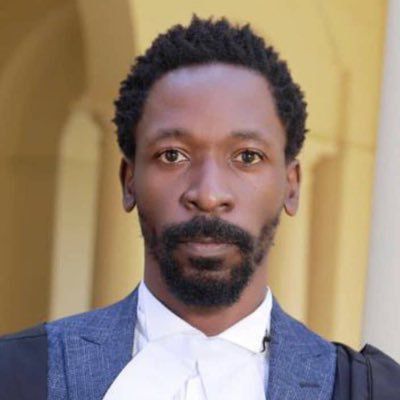
As an observer of the Uganda Law Society (ULS) and a proponent of transparency, fairness, and integrity within the legal profession, I find myself deeply aligned with the vision of President Isaac K. Ssemakadde. His leadership has been a crucial turning point for the ULS, not only through structural reforms but also by ensuring that individuals representing the Society, particularly in influential bodies like the Judicial Service Commission (JSC), meet the highest standards of moral character and constitutional integrity.
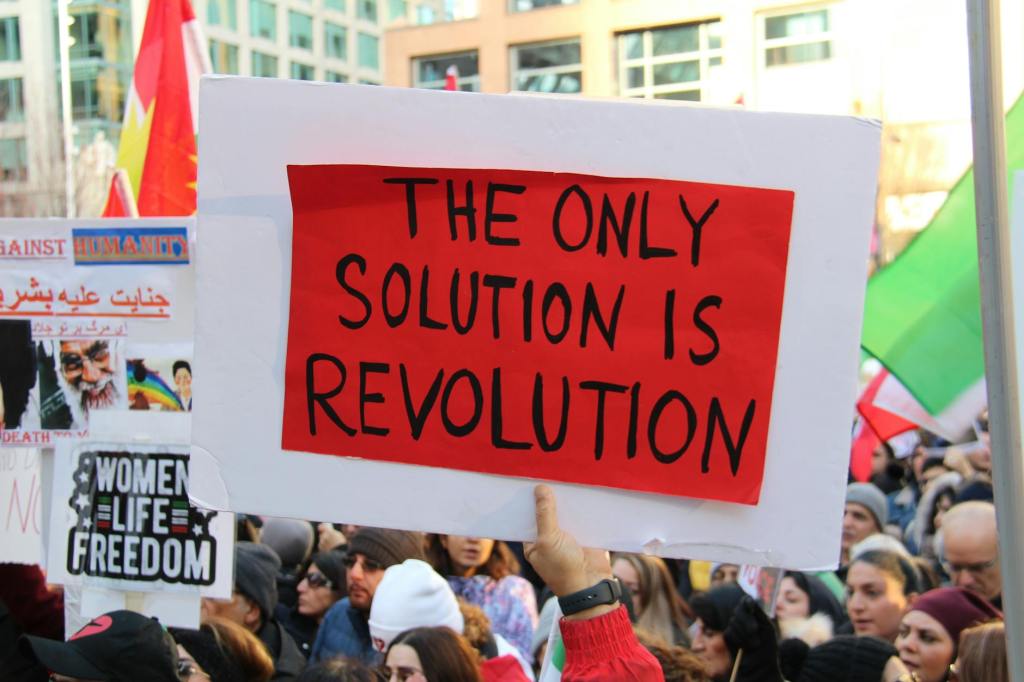
Through his missives and public critiques, Ssemakadde is safeguarding a revolution—one that seeks to restore democratic principles, uphold the rule of law, and demand that those in leadership roles within the ULS and beyond exemplify high moral standing. I believe that in his recent actions, particularly his response to the election candidates for the JSC, Ssemakadde is doing much more than critiquing individuals—he is defending the integrity of the Radical New Bar.
The Radical New Bar: A Vision for a Just and Transparent Legal Profession
Ssemakadde’s vision, the Radical New Bar, reflects an urgent need for reform within the ULS, especially in its representation and governance structures. When he took office, it was clear that internal democracy had long been sidelined, leaving members with limited influence over key decisions. The Radical New Bar seeks to reverse this trend by ensuring that the ULS becomes an organization that truly listens to its members and works in the best interest of justice, transparency, and accountability.
For me, the essence of the Radical New Bar is this: we cannot expect a society that represents justice if its leaders and representatives do not embody the principles of fairness, integrity, and moral strength. Ssemakadde’s actions demonstrate that the ULS should not merely be an institution concerned with professional development but a leader in ensuring democratic representation and ethical conduct.
My Take on Regulation 17(5): A Necessary Safeguard for Electoral Integrity
One of the more contentious aspects of the ULS Election Regulations is Regulation 17(5), which restricts media campaigns during elections to closed ULS groups. Critics argue that this regulation stifles freedom of expression by limiting candidates’ ability to campaign publicly. However, in my view, Regulation 17(5) plays an essential role in preserving the integrity of the election process.
I believe that the primary function of the ULS election is to determine the best candidates based on their professional qualifications and commitment to the rule of law—not based on their ability to manipulate public opinion through media campaigns. Ssemakadde’s recent presser, condemning unauthorized media promotions that aimed to influence the election results, aligns with the intent of Regulation 17(5). In his actions, he is not only safeguarding the election’s fairness but also upholding the professionalism that should define the ULS elections. By ensuring that candidates are evaluated on their merits rather than their media presence, Ssemakadde is, in my view, defending the Radical New Bar against the dangers of external influence.
In this light, Regulation 17(5) ensures that the focus of the election remains within the ULS community, allowing for a more substantive and focused campaign. For me, it’s a safeguard that ensures fair representation—a vital piece of the Radical New Bar’s broader vision.
The Yasin Sentumbwe and Simon Semuwemba Case: Safeguarding Fairness and Justice
Another example of Ssemakadde safeguarding the revolution lies in his defense of Yasin Sentumbwe and Simon Semuwemba, two students expelled from Uganda Christian University (UCU) in 2016 for leading protests against a tuition fee hike. The students were expelled without a fair hearing, and the Mukono High Court subsequently ruled that the university had violated their rights to natural justice. The Court reinstated the students and awarded them Shs 20 million in damages.
In this context, when Ssemakadde publicly critiqued Dr. Kakooza for his role in the unlawful expulsion of the students, he was doing more than protecting individual rights. He was protecting the integrity of the ULS by calling out those whose actions fail to meet the constitutional muster for leadership. For me, this was a critical moment in safeguarding the revolution, ensuring that those who represent the ULS in positions of power, such as the JSC, must demonstrate an unwavering commitment to justice and fairness.
Pheona Wall: The Stifling of Internal Democracy
Ssemakadde’s critique of former ULS President Pheona Wall also serves as an example of him safeguarding the revolution. During Wall’s presidency, Ruth Sebatindira and Nora Matovu Winyi were nominated to the Judicial Service Commission, but their nominations were met with internal resistance from within the ULS Council. Specifically, Amolo Shamim, the Northern Uganda Representative during Francis Gimara’s presidency, publicly protested the nominations and expressed concerns about the lack of consultation anFor Ssemakadde, Wall’s actions represented a failure to respect internal democracy. Her nomination bid was nothing less than hypocrisy and double standards.
Ssemakadde’s critique is, for me, an important reminder that leadership in the ULS should be inclusive, transparent, and responsive to the needs and views of its members. By calling out Wall’s failure to engage with internal opposition, Ssemakadde ensured that the Radical New Bar did not slip back into the undemocratic practices of the past.
Ssemakadde’s Legacy: A Leader for Integrity
Through his missives, public critiques, and his commitment to ensuring that only those with high moral standing and proven integrity are allowed to represent the ULS in influential roles, President Ssemakadde is safeguarding the revolution. His work is not only about structural reforms; it is about ensuring that the Radical New Bar remains true to its core principles of justice, accountability, and moral integrity.
As we look toward the 17th December, 2024 ULS elections for our representatives to the Judicial Service Commission, I believe that the path Ssemakadde has laid will lead to a stronger, more transparent ULS—one that is rooted in democratic values and constitutional integrity. The Radical New Bar is not just a vision for reform; it is a movement for change that calls on all ULS members to take ownership of the future of Uganda’s legal profession.
In his missives, Ssemakadde is not simply criticizing individuals; he is protecting the gains of the Radical New Bar Revolution and the integrity of the ULS, ensuring that it remains a beacon of justice, and a force for fairness in Uganda’s legal landscape. Through these efforts, Ssemakadde is laying the groundwork for a legal community that can lead the way in accountability, integrity, and the rule of law. This is the future of the ULS—a future shaped by the Radical New Bar, one that will thrive in an environment of justice and democratic engagement.
About the author.
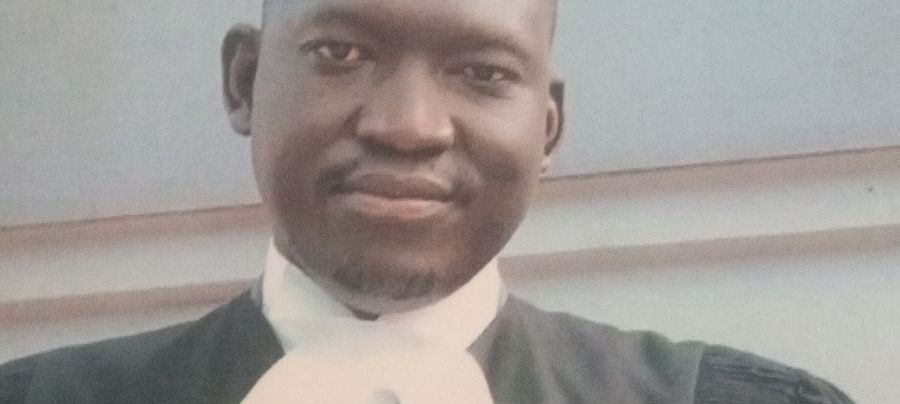
The author is a rule of Law enthusiast and a huge fan of President Isaac Ssemakade, the current President of the Uganda Law Society.
Contact us:
+256789856805
ambrosenen@gmail.com
 enenlegalworld
Leave a comment