What happened to Counsel Lukwago strikes at the heart of justice. Arresting and intimidating a lawyer for _preparing to serve court papers_ is a direct attack on the rule of law. If advocates can’t file and serve process safely, the courts themselves are under siege.
I hope this time the Judiciary will apply its Constitutional Duty under Article 126(1), of The Constitution of Uganda. _“Judicial power is derived from the people and shall be exercised by the courts… in the name of the people and in conformity with law and with the values, norms and aspirations of the people.”_
When an officer of court is “abducted” for doing his job, the Judiciary must: – Issue a statement The Chief Justice or DCJ or PJ should publicly condemn any interference with legal process. Silence reads as consent or complicity. – Demand immediate disclosure: Courts have inherent power to require security agencies to produce a detained advocate and state where he is he is especially where messages shared are distressing like what we are seeing-
Post by Erias Lukwago on X
Protect the process: No person is above service of process. – Judiciary has been put on trial by these events as to whether it will protect the judicial process or not.The whole world is watching I believe. – As for Ugandans ,its difficult to know what they think: New Normal has arrived for them. – Secondly Uganda Law Society must defend its members and the rule of law. They should file an-
Emergency petition in High Court for Lukwago’s production and safety. They should not wait for end of 48 hours. ULS should Call for judicial inquiry Into the “basement” photo, the arrest, and likely torture. Surely the Provisions of the Constitution particulatly Article 24 of the Constitution protects people from torture as “No person shall be subjected to any form of torture, cruel, inhuman or degrading treatment or punishment.”. It is mandatory.
I saw members on LDC Legal Alerts forum supporting Torture of suspects, and these were both Judicial Officers and Advocates, I hope they have seen the dangers of tolerating torture of anyone arrested I hope ULS will be serious on formally bringing this to the attention of the International community because independence of the judicial officers and lawyers has been terribly affected. They are now siezed with fear.
Lawyers who would persue this matter might be the next victims. No one is safe.
If ULS does not rise up and take practicable steps, the rights of their members to practice under Article 40(2) – Every Ugandan has a right to practice their profession will seriously be affected. 2. Independence of lawyers under UN Basic Principles on the Role of Lawyers must be upheld. _“Governments shall ensure that lawyers are able to perform all of their professional functions without intimidation, hindrance, harassment or improper interference.”_ 3. There can be no justice without Access to courts. If lawyers are arrested for serving papers, you’ve shut the court doors there by violating Article 28– Right to a fair hearing.
Every person regardless of the nature of his or her case has a right to legal representation. Harrassing lawyers should be condenmed in the strongest terms and action taken.
Even the Holy Word of God provides for legal services. Proverbs 31:8-9: _“Speak up for those who cannot speak for themselves, for the rights of all who are destitute. Speak up and judge fairly; defend the rights of the poor and needy.”_ Isaiah 1:17: _“Learn to do right; seek justice. Defend the oppressed.”_
A reign of terror starts when advocates are punished for representing particular clients or filing papers in court. It ends when the Judiciary says _“No. Not on our watch.”_ That is why Judiciary and ULS has to work together to end this foolishness and impunity
What should happen next 1. Immediate production: Lukwago must be brought before a judge within 48 hours per Article 23(4). 2. Medical examination: If the photo shows distress, an independent doctor must assess him for torture. 3. Protective orders: Court should bar security agencies particulary UPDF, from interfering with lawyers serving process in any case filed in Ugandan courts. 4. The judiviary should come out to condenm illegal ingazetted basements for this is not the first time its happening Everything goes back to the Judiviary as an arm of Government. Terror cannot rule where law stands. Judiciary should apply the law as it is. Their current complicit is allowing terror to stand. Eddy Mutwe, and others would not be in jail now if _Judiciary was exercising its Judicial independence. I know the word of God says: “Tyranny will be far from you; you will have nothing to fear” Isaiah 54:14 But that promise requires judges, lawyers, and representatives of citizens in Parliament to act and citizens themselves. Silence means you have consented to Terror. Is that so for Ugandans? Let Lukwago’s case open our eyes. No one is safe .
From Enen Legal World:
This Blog foreshadows for a high ranking Judicial Officer who prefers to remain anonymous for fear of “the basement” which is nolonger a secret.
A speech I presentd at the 18th RNB Live on 4th June, 2026 at ULS House, Kampala
Paperless Judiciary: Why Aren’t We Ready?
A speech presented by Enen Ambrose, blogger at www.enenlegalworld.com at the 18th RNB Live on 4th June, 2026 at ULS House, Kampala
The President of the Uganda Law Society, Isaac K. Ssemakadde SC, the Most Perpendicular Vice President, Anthony Asiimwe, my Northern Uganda Representative to the ULS Governing Council, Egaru Emmanuel Omiat, who I believe is following this discussion online,the General Secretary Salim Babu, together with fellow members of the ULS RNB Governing Council — whom I prefer to call the ULS RNB High Command — the highly distinguished members of the medical fraternity present with us today, colleagues, fellow officers of the court, distinguished guests, and fellow citizens both here in the hall and watching us online:
I was invited to speak in my capacity as a blogger at www.enenlegalworld.com on the theme: A Fully Paperless Judiciary — Why Aren’t We Ready?
I stand before you today with deep humility and sincere concern. As a technology enthusiast who believes that technology must facilitate access to justice rather than impede it, I have witnessed firsthand the challenges that arise when we rush into a fully paperless system without adequately preparing the people it is meant to serve.
What I have observed is not mere technical inconvenience. It is something far more serious — a subtle but damaging form of harm which I prefer to call “the quiet violence of procedure” being done to the very people we are sworn to serve.
Part I: The Quiet Crisis
This is not the violence of guns or angry mobs. It is the quiet, daily violence of a system that pretends everything is working when it clearly isn’t.
Just three days ago, on 1st June 2026, the Judiciary’s deadline for crossing into full paperless operations came and went. Yet the Judiciary’s ICT Director confirmed that the system will only be rolled out to 49 courts — just 20% of the total.
Imagine a magistrate who cannot access a bail application because the network has failed. The system coldly declares “the file is not before court.” Yet the accused — whether a poor market vendor, a struggling farmer, or a respected professional — stands right there in the dock.
When this recently happened to an advocate, that person was remanded to Luzira Prison.
We have always been told that justice delayed is justice denied. But what do we call justice that has simply disappeared from the screen?
We are rushing into a paperless judiciary while many citizens, and even many lawyers, still cannot navigate it. If a poor person cannot understand their case without a single sheet of paper, have we really advanced, or have we simply replaced one barrier with a more expensive, more frustrating one?
Part II: The Evidence on the Ground
My concerns are not theoretical. A recent survey by the PM Digital Law Hub revealed worrying numbers:
– 87% of judicial officers and advocates have experienced frequent system disruptions.
– 78% say technical support is unreliable.
– 67% were not confident we would be ready for the June 1st deadline.
– 59% have received no formal training at all.
Let me give you a picture of what these numbers mean. My firm once sent a bright, confident legal assistant to the Gulu branch of the Uganda Registration Services Bureau. His task was to certify company records we needed as evidence in court. He knew the registry. He knew the clerk. He was polished and fully prepared.
But when he arrived, the physical counter was still there — yet the records had already moved online. The staff of URSB turned him back empty-handed. That day, we had no choice but to force ourselves to adapt to the new technology.
That, colleagues, is exactly where many of us are today with ECCMIS. We are still walking the old path, trusting the old counters, while the world has moved on.
Let me tell you another story — one that has not happened yet, but will happen if we are not careful. I want you to meet a lawyer. She is experienced. She has practised for fifteen years. One afternoon, she receives an urgent call. A client is about to be evicted. A temporary injunction must be filed before 5:00 p.m. She knows the High Court Registry well. She has done this a hundred times. But when she arrives, the counters are gone. The clerks point to a sign: “All filings electronic. Use ECCMIS. No paper accepted.” She does not have her laptop. The courthouse Wi‑Fi is down. Her phone battery is low. She tries to log in — she has forgotten her password. She calls her clerk. No answer. The clock shows 4:47 p.m. Her client will be evicted tomorrow. And there is nothing she can do. Colleagues, come July 2026, if the paperless mandate is fully enforced without the changes we are demanding, this will happen. I guarantee it. Our lady lawyer will stand in that registry, fully unarmed and disempowered. In that moment, like our legal assistant at URSB, she will learn the hard way: how she was trained for the profession is no longer relevant. She must upgrade her digital skills — or risk being rendered irrelevant.
In 2026, we still have judicial officers reaching for the Civil Procedure Rules of 1929 to determine the validity of a summons delivered through a WhatsApp message, while the entire body of laws enacted to facilitate the digital transformation of the Judiciary gathers dust.
Without a clear Practice Direction from the Chief Justice, and without digital competence forming part of performance evaluation, even this limited rollout to only 49 courts risks a spectacular failure.
Part III: The Human Cost
The Nocturnal Lawyer
Our advocates are now working at 2:00 a.m. not because they are dedicated, but because the system is too slow and congested during the day. We have, in effect, outsourced government server problems to the sleep and mental health of lawyers.
This is not digital transformation. It is like constructing a magnificent house without laying a proper foundation — impressive on the surface, but unsustainable and harmful to those who must live in it.
A new digital underclass
As Advocate Madira Jimmy from Arua warned me, many lawyers in the North risk being reduced to “local assistants” for Kampala-based lawyers who have better internet and support.
The same law degree, the same oath, but a completely different playing field. This is creating a dangerous hierarchy inside our own profession.
The Vanishing File
Under the old physical system, a file could be traced. Today, an urgent application can simply “disappear” in the ECCMIS system.
A judicial officer who does not wish to attend to a matter no longer needs to hide a physical file. They can simply say, “The system shows nothing.” And who can argue with a screen they cannot see?
We recently experienced this when the Uganda Law Society filed an urgent Human Rights Application concerning the Ggaba trial. That application was effectively not attended to.
In my humble view, this incident points not only to a potential case of misconduct against the concerned judicial officers, but more importantly, to a deeper and disturbing lack of accountability in our digital justice system.
If this can be done to the Uganda Law Society itself, one wonders: who else is suffering the same fate — ordinary citizens who have no voice and no remedy at all?
Part IV: What We Must Do
I am not here to condemn the Bar or the Bench, nor am I here as a doomsayer. My critique is directed across the board — at all of us who have a role to play in the successful adoption of digital transformation in the administration of justice.
Mandate Offline Functionality — Every court computer must be able to pre-cache daily files and work when the network fails. Our banking, email apps, file backup systems like Google Drive already do this.
Mandatory Training — No more “learning on the job.” Every judicial officer, clerk, and advocate must undergo verifiable digital training.
Recognise Modern Communication — Issue a Practice Direction accepting service via WhatsApp and SMS to verified numbers. The court can always set aside service where injustice is shown.
True Hybrid System — Do not treat paper as the enemy. A genuine hybrid approach beyond the current 20% rollout is wisdom, not weakness.
Citizen-Centred Design — The system must work for the widow in Amudat who has never opened a PDF.
Cultivate a Transformed Legal Culture — Digital transformation without a corresponding culture of accountability and citizen-centred justice is merely digitising the old bad manners. We must deliberately build a new legal culture where technology serves justice rather than concealing injustice.
Embrace Technology at Individual and Institutional Level — We must consciously cultivate a new culture of embracing technology at both personal and institutional levels. A lawyer who boasts that they never read their emails or deliberately switches off their WhatsApp blue ticks is no different from a judicial officer who conveniently claims “the system shows nothing.” True digital transformation demands personal responsibility from all of us.
Part V: A Call to Action
To my fellow advocates: We must continue having honest and regular conversations about digital transformation and the development of a new digital legal culture. Our shared goal is to ensure that technology truly enhances access to justice for all. Let us speak up constructively, with one voice, for the good of our clients and the future of our profession.
To judicial officers: My clarion call to you today is this — many of you are working under very difficult conditions. Let us join hands and fight together for better tools, better infrastructure, and better support.
As the ancient proverb teaches us — and I have merely adapted it here — “the roots of accountability are bitter, but the fruits are sweet.” (A variation of Aristotle’s famous saying on education). Let us therefore courageously cultivate, at both personal and institutional levels, a new legal culture of accountability and genuine digital transformation.
To the people of Uganda: Walk with us. The widow in Amudat — who has never opened a PDF — the accused in Luzira, whose bail application vanished from a screen, and the nocturnal lawyer, awake at 2am fighting a congested server — they need us to get this right.
The spirit is willing. Let us now strengthen the flesh of this system.
Thank you.
I remain Enen Ambrose of Enen Legal World, a legal literacy blog which you can find at www.enenlegalworld.com and I say this for God and My Country.
We have created a dedicated fans WhatsApp Channel. Don’t miss the latest updates, get early bird access to our latest blog posts and more, so much more. Click the following link to follow the Channel: https://whatsapp.com/channel/0029Vb9BQqw5a246bWVsLl3j
Independent institutional critique and advocacy for a radical overhaul of legal culture require time, deep research, and uncompromised independence. If these narratives bring value to your legal journey or challenge your perspective, please visit our HOME PAGE to see how you can support this platform directly and keep the critique fierce and relentless.
Constitutionalism, Deterrence and the Price of Violating Non-Derogable Rights
Constitutional courts shape legal culture. Some decisions expand the reach of rights. Others contract it. Some become monuments to constitutional progress. Others become warnings from history.
Indeed, it may come to be remembered as one of the most consequential constitutional regressions since the promulgation of the 1995 Constitution.
The judgment has already generated intense debate. Supporters praise it as a restoration of balance between the rights of accused persons and society’s legitimate interest in the prosecution of crime. Critics view it as a retreat from the robust protection of non-derogable rights that Ugandan courts painstakingly developed over the last two decades.
I count myself among the latter.
Not because I underestimate the importance of criminal accountability.
Not because I believe every constitutional violation should automatically free every accused person.
But because I believe the Court has fundamentally misunderstood the constitutional function of consequences.
At its heart, Faruku is not a case about criminals.
It is a case about incentives.
It is a case about deterrence.
It is a case about the price the State must pay when it violates the Constitution.
And once one understands that, the implications become profoundly unsettling.
The provision was never principally about rewarding accused persons.
It was never principally about frustrating criminal trials.
Nor was it intended to create technical escape routes for the guilty.
Its purpose was institutional.
Its purpose was preventative.
Its purpose was deterrent.
Every legal system creates incentives.
A police officer deciding how to obtain evidence responds to incentives.
An investigator deciding whether to respect constitutional safeguards responds to incentives.
A security agency deciding whether compliance is worth the inconvenience responds to incentives.
The genius of Section 11(2) was that it altered those incentives.
It communicated a simple message:
If you violate non-derogable rights, you may lose the prosecution altogether.
That message did not exist to protect criminals.
It existed to discipline power.
It existed to ensure that constitutional compliance became the cheapest option available to the State.
The Court has now substantially weakened that discipline.
THE DOCTRINAL ERROR: WHEN A DETERRENT BECOMES A SUGGESTION
The central problem with Faruku is doctrinal before it is political.
Section 11(2) was not merely a remedy available to an accused person after a violation had occurred.
It was a prophylactic rule.
A constitutional deterrent.
A bright-line consequence designed to influence institutional behaviour before violations occurred.
The provision did not merely compensate victims.
It regulated power.
By emphasizing alternative remedies such as compensation, civil suits, administrative sanctions and criminal proceedings against offending officers, the Court transformed a deterrent into a suggestion.
That distinction matters.
A deterrent commands compliance.
A suggestion invites balancing.
A deterrent changes behaviour.
A suggestion merely expresses disapproval.
The practical consequence is that the constitutional cost of violating non-derogable rights has been reduced.
Rights rarely disappear overnight.
More often, they remain on paper while their practical force is quietly diminished.
That is why Faruku is so significant.
The issue is not whether rights still exist.
The issue is whether violating them has become cheaper.
ARTICLE 44 WAS WRITTEN IN BLOOD, NOT THEORY
Perhaps the most troubling feature of the judgment is its apparent detachment from the constitutional history that produced Article 44 itself.
Article 44 did not emerge from academic theory.
It did not emerge from abstract constitutional philosophy.
It emerged from Uganda’s encounter with arbitrary power.
It emerged from detention without trial.
It emerged from torture.
It emerged from disappearances.
It emerged from constitutional crises that taught painful lessons about what happens when power operates without meaningful restraint.
The framers of the 1995 Constitution understood something simple:
Power rarely restrains itself.
That understanding explains why certain rights were elevated beyond ordinary balancing exercises.
The Constitution does not merely describe freedom from torture as important.
It describes it as non-derogable.
That distinction is critical.
A right that may be balanced against competing interests is fundamentally different from a right that may not.
The Court repeatedly invokes society’s interest in prosecution.
But Article 44 itself represents a balancing exercise already undertaken by the framers.
They considered the demands of security.
They considered public order.
They considered law enforcement.
They nevertheless chose to place certain rights beyond derogation.
The question therefore is not whether courts should rebalance those interests today.
The question is whether courts are free to rebalance what the Constitution has already balanced.
That question deserves far greater attention than it has thus far received.
LEGAL CULTURE: A PERSONAL OBSERVATION
Years ago, I appeared before a Chief Magistrate in a criminal matter that had stagnated for nearly three years.
I argued that the accused person’s constitutional right to a fair and speedy trial had been violated.
The Magistrate looked at me and asked:
“Are you sure the Constitution says the hearing must be speedy?”
I answered in the affirmative.
A copy of the Constitution was produced.
The word was found.
The Magistrate then asked:
“But Counsel, why are you over-lawyering?, I thought you are in a hurry and have other things to do? Me I want to adjourn my matters today and travel for the weekend”
Many younger lawyers would find that exchange difficult to believe.
That is precisely the point.
For the last two decades Uganda’s legal culture has been evolving.
But together they built something larger than individual precedents.
They built a culture.
A culture in which State actors increasingly understood that constitutional violations carry consequences.
Faruku teaches a different lesson.
THE COURT’S BALANCING EXERCISE
To criticize the judgment honestly, one must first acknowledge its strongest argument.
Society possesses a legitimate interest in the prosecution of crime.
Victims possess rights.
Public safety matters.
Few reasonable people would celebrate a system in which serious offenders automatically escape accountability because constitutional violations occurred during investigation.
That concern deserves respect.
I do not pretend the question is easy.
There are undoubtedly hard cases at the margins.
But the answer to a difficult question is not to abandon deterrence altogether.
The Court’s solution effectively transfers the cost of constitutional violations away from the State and onto the victim of those violations.
The Court assures us that alternative remedies remain available.
Compensation.
Civil litigation.
Administrative sanctions.
Criminal prosecution of offending officers.
In theory, this appears balanced.
In practice, it appears detached from reality.
How many torture survivors successfully litigate compensation claims after years of detention, trial, imprisonment, poverty and trauma?
How many possess the resources necessary to commence fresh proceedings against the very institutions that violated their rights?
The remedy exists on paper.
Life exists in reality.
The two are not always the same.
THE REALITY PROBLEM
Constitutional theory cannot be divorced from constitutional reality.
Uganda is not debating torture in a vacuum.
Uganda is not debating arbitrary detention in a vacuum.
Uganda is not debating abuse of power in a vacuum.
We are debating these issues within a society where allegations of torture remain common, where unlawful detention continues to generate public controversy and where citizens routinely question whether constitutional safeguards are sufficient to restrain State power.
Perhaps the most chilling symbol of this reality is linguistic.
Ugandans now speak of “drones” not as aircraft but as a particular form of feared encounter with power.
Think about that.
Think about how much constitutional failure must occur before a society casually incorporates the language of disappearance into everyday conversation.
That normalization did not happen by accident.
It happened because constitutional safeguards increasingly appeared uncertain.
The question is whether Faruku strengthens those safeguards or weakens them.
In 1896, the United States Supreme Court decided Plessy v Ferguson.
The Court did not abolish equality.
It merely reinterpreted it in a manner that dramatically reduced its practical force.
Rights remained on paper.
Their effectiveness diminished in reality.
Fifty-eight years later, Brown v Board of Education repudiated that approach.
The lesson is not about race.
The lesson is about constitutional trajectories.
Constitutional progress is not inevitable.
Rights expand.
Rights contract.
Courts advance liberty.
Courts retreat from it.
Faruku does not abolish Article 44.
It does something more subtle.
And therefore potentially more consequential.
It preserves the right while reducing the consequences of violating it.
That is the structural similarity.
In neither case was the constitutional right formally erased.
Instead, the practical cost of ignoring it became negotiable.
That is how constitutional regressions often occur.
Not through dramatic declarations.
Not through open hostility to rights.
But through incremental reductions in consequence.
History teaches that constitutional decline rarely begins when courts announce that rights no longer matter.
It begins when courts assure us that rights still matter while simultaneously reducing the cost of violating them.
CONCLUSION
The Supreme Court may reverse Faruku.
It may not.
That question will be answered in due course.
The more profound question concerns constitutional culture.
For two decades Uganda appeared to be moving toward a constitutional order in which rights carried consequences and power carried limits.
Faruku signals movement in the opposite direction.
Whether that signal becomes a turning point or merely a temporary detour remains unknown.
History will answer that question.
The rest of us must live through it.
If future generations inherit a stronger constitutional culture, Faruku will be remembered as a wrong turn that was eventually corrected.
If they inherit a weaker one, where torture remains illegal but increasingly inexpensive for the State, they may remember it differently.
Not as the day constitutional rights disappeared.
But as the day violating them became cheaper.
Not as the day the Constitution died.
But as the day it was asked to whisper where once it could roar.
DISCLAIMER:
The contents of this Blog are not intended to be used as a substitute for legal advice. The author shall not accept liability for use of the contents of this Blog as legal advice. Readers are encuraged to consult qualified advocates for real life situations for legal advice.
JOIN THE UNDERGROUND ANDFUEL THE MOVEMENT
We have created a dedicated fans WhatsApp Channel. Don’t miss the latest updates, get early bird access to our latest blog posts and more, so much more. Click the following link to follow the Channel: https://whatsapp.com/channel/0029Vb9BQqw5a246bWVsLl3j
Independent institutional critique and advocacy for a radical overhaul of legal culture require time, deep research, and uncompromised independence. If these narratives bring value to your legal journey or challenge your perspective, please visit our HOME PAGE to see how you can support this platform directly and keep the critique fierce and relentless.
You move from police station to police station looking for him.
Nobody tells you where he is.
Nobody tells you what he has done.
Nobody tells you when he will come home.
Then one morning, somebody calls.
“He is being produced in court.”
You rush there.
He arrives limping.
His mother begins to cry.
Even before he speaks, everybody in court can see that something happened.
The State says he is a criminal.
He says he was tortured.
The Court agrees that his rights were violated.
But the trial continues anyway.
That is why the Constitutional Court’s decision in Faruku Muhamed and 2 others v Attorney General matters. A copy of the judgment can be accessed here
Many Ugandans will never read the judgment.
Many will never understand the legal arguments.
But every Ugandan should understand what is at stake.
Because this case is not really about criminals.
It is about power.
For nearly twenty years , in cases like those of Uganda Law Society and the famous Kayunga riots Uganda’s courts had been slowly teaching the State a simple lesson:
There are some lines you do not cross.
Some rights are so important that violating them comes at a heavy price.
That principle was not created to protect criminals.
It was created to protect citizens.
It was created because Uganda knows what happens when people in power stop fearing the Constitution.
Our Constitution was not written in paradise.
It was written after years of arbitrary arrests.
Years of torture.
Years of disappearances.
Years of constitutional crises.
Years in which the ordinary citizen stood almost naked before the power of the State.
The framers understood something simple.
A government should never be allowed to break the law in order to enforce the law.
That is why some rights were declared non-derogable.
Untouchable.
Non-negotiable.
Beyond convenience.
Beyond politics.
Beyond excuses.
The Faruku decision changes that conversation.
The Court has not legalized torture.
The Court has not abolished constitutional rights.
The Court has done something more subtle.
It has reduced the cost of violating them.
And history teaches us that constitutional decline rarely begins when rights are abolished.
It begins when violating them becomes cheaper.
Supporters of the decision ask a fair question.
Should a murderer walk free because he was tortured?
Should a terrorist escape punishment because his rights were violated?
Those questions sound persuasive.
Until we ask another.
If the State already had enough evidence to convict, why was torture necessary in the first place?
Why break the ribs?
Why remove the fingernails?
Why apply electric wires?
Why violate the Constitution at all?
That is the question Uganda should be asking.
Instead, we are being encouraged to focus on what happens after the violation.
Sue for damages.
File another case.
Seek compensation.
But every Ugandan knows the reality.
The person who emerges from years of detention, trial, imprisonment, poverty and trauma rarely possesses the energy, resources or influence required to start another legal battle.
The remedy exists on paper.
Life exists in reality.
And those two things are not always the same.
Perhaps the most frightening symbol of this reality is a single word.
“Drones.”
There was a time when a drone was something that flew in the sky.
Today, many Ugandans hear that word and think of something else entirely.
Think about how abnormal that is.
Think about how much had to happen before an entire country accepted that vocabulary.
Think about how many stories are hidden inside that single word.
The abnormal has become normal.
The shocking has become routine.
The unacceptable has become familiar.
And when that happens, constitutional erosion is already underway.
Some people will say these concerns are exaggerated.
They will say rights still exist.
They will say courts remain independent.
Perhaps.
But constitutional history is filled with societies that discovered too late that rights on paper are not the same thing as rights in practice.
A Constitution is not tested when it protects the popular.
It is tested when it protects the unpopular.
It is not tested when it restrains the weak.
It is tested when it restrains the powerful.
The true measure of constitutionalism is not how the State treats those it likes.
It is how the State treats those it fears, suspects, opposes or despises.
That is why this moment matters.
Not because a criminal might benefit.
But because power always expands into spaces where consequences disappear.
Today it may be a suspected criminal.
Tomorrow it may be a journalist.
The next day it may be a businessman.
The day after that it may be an opposition supporter.
One day it may be your son.
Or your daughter.
Or you.
The Supreme Court may yet reverse this decision.
History may yet correct it.
But the real answer will not be found in law reports.
It will be found in what follows.
If State agencies become more respectful of constitutional rights, perhaps the Court’s faith in alternative remedies will be vindicated.
If they do not, future generations may look back upon Faruku as the moment Uganda’s Constitution was not destroyed—
but the moment it was asked to stand aside while power carried on with business as usual.
Our Constitution was meant to be a fence around the citizen.
A fence is only as strong as the dog that guards it.
If the dog can no longer bite, only the thief has reason to celebrate.
That is why some of us are mourning today.
Not because the Constitution is dead.
But because it has been asked to whisper where once it could roar.
DISCLAIMER:
The contents of this Blog are not intended to be used as a substitute for legal advice. The author shall not accept liability for use of the contents of this Blog as legal advice. Readers are encuraged to consult qualified advocates for real life situations for legal advice.
JOIN THE UNDERGROUND ANDFUEL THE MOVEMENT
We have created a dedicated fans WhatsApp Channel. Don’t miss the latest updates, get early bird access to our latest blog posts and more, so much more. Click the following link to follow the Channel: https://whatsapp.com/channel/0029Vb9BQqw5a246bWVsLl3j
Independent institutional critique and advocacy for a radical overhaul of legal culture require time, deep research, and uncompromised independence. If these narratives bring value to your legal journey or challenge your perspective, please visit our HOME PAGE to see how you can support this platform directly and keep the critique fierce and relentless.
That, in many ways, was the question hanging over the inaugural ECCMIS Symposium that I recently attended as a member of the Judiciary Affairs Committee of the Uganda Law Society, a technology enthusiast, and perhaps most importantly, a practising advocate who has experienced firsthand both the promise and frustrations of Uganda’s digital transition.
This newsletter is a continuation of my earlier reflections on the necessity of technological adoption within our profession. Then, I argued that lawyers must embrace technology or risk being left behind. Today, however, I wish to discuss a different concern: how we ensure that digital transformation does not leave people behind.
The Bar Speaks
Our ULS leadership—President Isaac Ssemakadde, SC, and VP Anthony Asiimwe—were clear: while the Bar supports modernization, we must prioritize accountability and interoperability. As Vice President Asiimwe noted, deadlines continue to run even when the system fails, creating a dangerous procedural environment for advocates. The leadership emphasized that a digital system that cannot guarantee the safety of our filings is, for all practical purposes, a liability to the Rule of Law.
Beyond the Headlines
Much has already been said about ECCMIS, the Judiciary’s flagship case management system. The symposium brought together judicial officers, ICT specialists, researchers, and members of the Bar to discuss the realities of implementation. What emerged was neither a story of triumph nor failure, but one of transition.
Mr. David Sunday Kikabi, Director of ICT at the Judiciary, clarified that the transition remains phased, operating in 49 court stations, representing roughly twenty percent of the Judiciary’s footprint. Hon. Justice Christopher Madrama reminded participants that meaningful criticism must appreciate the operational realities of implementing a national digital infrastructure. Lady Justice Immaculate Busingye offered a historical reminder that ECCMIS was born from the Bar’s outcry over missing court files and administrative inefficiencies.
The Day Technology Sent Me Home
Several years ago, I dispatched my legal assistant to certify specific company records for use as evidence. The process had migrated to digital URSB portals, and the traditional method was no longer available.
Looking back, the issue was not the technology itself, but the lack of preparedness and notice. We arrived at a destination only to discover the road had been moved.
The Walk of Shame
This experience mirrors a reality we have lived or heard of: a lawyer travels with a client, fully prepared, to file court a client’s case, including an urgent application for an interim injunction, a high stakes life and death-last minute filing where the plan is to secure an urgent exparte interim relief, only to be guided that manual filing is nolonger being accepted, rather that everything is being filed online and worst of all, the system is itself down!. The “walk of shame” of the lawyer and his client back to chambers to figure out what to do next undermines the dignity of our profession and erodes trust.
The Namukasa Test
Perhaps the most profound contribution came from Lady Justice Monica Mugyenyi, who asked: Can Namukasa use it? If our justice system is technologically sophisticated but socially inaccessible, it has merely transformed the appearance of the problem, not solved it.
What the Research Revealed
Research presented during the symposium identified recurring concerns, including bandwidth limitations, intermittent outages, server congestion, and user-experience challenges. In some instances, courts equipped for ECCMIS have reverted to manual processes due to operational interruptions. These findings should not be viewed as evidence of failure. Rather, they remind us that digital transformation is a process of continuous refinement.
Waiting for perfection is not a strategy; building bridges is.
Bridge One: Training the Profession. I am championing a volunteer-led Trainer-of-Trainers programme to bring practical ECCMIS training to regional bars. I invite the Judiciary’s ICT Directorate to collaborate in developing a standardised framework to equip advocates with the skills to navigate the digital environment confidently.
Bridge Two: Interoperable Solutions. During the symposium, Riyale Tech Solutions showcased the Riyale Legal Suite, an ECCMIS-integrated practice management platform that helps law firms manage and track ECCMIS updates, court cases, hearing dates, documents, clients, billing and invoicing, court schedules, and day-to-day operations. By streamlining legal workflows and digitizing firm operations, Riyale Legal Suite supports the transition to a paperless practice and improves efficiency across the firm. Paperless courts need paperless law firms, and Riyale Legal Suite bridges the gap. Having reviewed the platform, I believe it offers practical solutions for many of the challenges currently facing firms during the transition to digital practice. If you missed symposiom, Access the Riyale Tech Presentation here. Advocates interested in exploring the platform further may contact me for demonstrations, implementation support, and licensing arrangements.
The Road Ahead
The future of justice will undoubtedly be digital. The question is whether it will also remain accessible.
If Namukasa can navigate the system with confidence, if advocates can serve their clients without fear of technological paralysis, and if justice can continue moving even when a server fails, then ECCMIS will have achieved something far greater than digitisation. It will have expanded access to justice. And that is a future worth building.
Now let me be equally clear. I hold no equity, ownership, employment, or decision-making role in Riyale Tech Solutions or any affiliated legal technology provider discussed in this article. Any professional introductions that may arise between practitioners and technology providers do not influence the opinions expressed here, which remain independently formed.
Let us build the connections that matter.
Enen Ambrose
Advocate & Member, Judiciary Affairs Committee, Uganda Law Society
Phone/WhatsApp: 0789856805 | Email: enen@enenlegalworld.com or ambrosenen@gmail.com
A procedure that turns courts into shrines of injustice, where freedom is a fairy tale and land is lost
Author’s Note:The Chronicles of His Worship Mulyanyama is a serialized literary commentary designed to constructively critique the institutional and structural implications of the Magistrates Courts (Amendment) Act, No. 6 of 2026. This work is a creative exploration of the human infrastructure behind public service and is not intended to ridicule, embarrass, or undermine the integrity of the Judiciary.
The stack of criminal files had not moved in eight years.
One hundred of them. One hundred human beings. One hundred stories of land, hunger, and a law that refused to die.
The State had never filed committal bundles. The accused had been on remand since before the last census. Neither could be granted bail – not by Mulyanyama. Only the High Court could do that. And the High Court had done nothing.
Yokoyadi’s Hoe – Eight Years
Yokoyadi was the elder brother of Ocen Okello – the bean supplier who had been chasing a school’s debt for four years. When their parents died during the LRA insurgency, Yokoyadi dropped out of school. He worked as a porter, a brickmaker, a night guard. He never went to court. He only wanted to protect the three acres their grandfather had cleared with a machete.
Then Majutu arrived. An urban elite. A man who bought land after the war and spoke of “development.” Majutu wanted Yokoyadi’s plot. He offered a pittance. Yokoyadi refused.
One morning, Majutu’s workers came to mark the boundary. Yokoyadi ran out with his hoe. He did not swing it at anyone. He struck the ground between them. He shouted: “Either you kill me first, or I die on this land. It will not leave my family.”
That evening, Majutu called a police officer he knew. He reported aggravated robbery. He claimed Yokoyadi had threatened him with a deadly weapon – the hoe – and attempted to steal his mobile phone. There were no witnesses except Majutu’s own workers.
Yokoyadi was arrested. Remanded. The State never filed proper committal papers. The case did not move.
Eight years later. Majutu had erected a fence. He had built a guest house. He had planted eucalyptus where Yokoyadi’s father was buried.
Yokoyadi had not seen a judge in five years. The file sat on Mulyanyama’s desk – a monument to a hoe that had become a life sentence.
The Pastor’s Form – Eight Years
Micaki was a widow. She could not read or write. She trusted people in uniforms – including Pastor Solomon, who ran a Pentecostal church in the trading centre.
One afternoon, Pastor Ayak visited Micaki. He told her the government was giving free money to elderly vulnerable persons. He had a form. He just needed her thumbprint. She was grateful. She dipped her thumb in the stamp pad.
Just as she was about to press it on the paper, her son Emmanuel walked in. He had returned from Lira for a visit. He saw the form. He yanked it from the pastor’s hand. He read it. It was not a government grant. It was a gift inter vivos – a transfer of ten acres to the pastor’s church foundation entirely for free!
Emmanuel shouted. He demanded that the pastor leave. He chased him out of the compound. He did not touch him. He did not threaten his life. He simply raised his voice and pointed to the road.
Two weeks later, a vagrant was found dead near the pastor’s church – a man known to drink at the local bar. Pastor Ayak went to the police. He told them Emmanuel had threatened him, that Emmanuel was violent, that Emmanuel must have killed the vagrant in a robbery.
There was no evidence. No witness placed Emmanuel near the body. But the pastor was influential. His church had friends in the district. Emmanuel was arrested. Charged with murder. Capital offence. No bail.
Eight years later. Pastor Ayak had built a primary school and a church on Micaki’s land. A banner read: “New Hope Pentecostal School – Transforming Lives.”
Micaki sat on the roadside, watching children play where her cassava used to grow.
Emmanuel had never been tried. The State had no witnesses. The file would not die.
The Attempt
Mulyanyama could not grant bail. He could not dismiss the charges. The law said he could only communicate the charges and call up the file for mention – to track the status of police inquiries or investigations. He could not provide any effective remedy for freedom – even though the law said every suspect was innocent until proven guilty or until conviction.
He was not a magistrate. He was a warehouse for human beings.
So he bundled the 100 files. He wrote a cover letter to the Resident Judge of the High Court Circuit. He asked for supervisory intervention. He personally drove the files to the High Court registry.
A week later, his phone rang. He did not recognise the number. He answered.
“Worship Mulyanyama.”
The voice was tired. Not cruel. Tired.
“This is the Resident Judge.”
Mulyanyama straightened. “Good afternoon, my Lord.”
“I am looking at your letter. The one about the committal files.”
“Yes, my Lord. The accused have been on remand for eight years. The State has not filed commital papers. I cannot grant bail. I cannot dismiss the charges. I was hoping your Lordship could exercise supervisory –”
The Judge cut him off.
“I have murder sessions across four districts. I have bail applications from two prisons. I have a donor‑funded SGBV session starting next week. I do not have time for one hundred twenty one files that should have been dealt with at your level.”
Mulyanyama: “With respect, my Lord, the law does not permit me to –”
“Then the law is an ass.”
Silence.
“Listen to me, Worship. I am not your appeal court. I am not your clerk. Those files are your problem. Deal with them.”
The line went dead.
Mulyanyama stared at his phone. He understood now: the Judge was not cruel. He was simply drowning. And the 100 files were the first to sink.
The Interns
One afternoon, a group of internship students from Gulu University arrived at Omwonyo‑le. They were bright, eager, and armed with notebooks. Their supervisor had assigned them to sensitise remand inmates about their rights – the right to be presumed innocent, the right to legal representation, the right to a speedy trial.
Mulyanyama allowed it. He had no power to refuse. He also had no power to help.
The students sat with Yokoyadi. They explained Article 28 of the Constitution. They spoke of bail, of committal, of the State’s duty to file papers.
Yokoyadi listened. Then he asked: “If all that is true, why have I been here eight years?” ,”Is there anything you can do to assist me?“
The students had no answer. They were not qualified advocates. The law did not permit them to file anything, to apply for anything, to demand anything. They could only teach rights – not enforce them.
They visited Emmanuel. He did not speak. He stared at the wall. One student tried to hold his hand. He pulled away.
That evening, the students sat outside the court, silent. Their supervisor told them: “You have seen the gap between the law on paper and the law in practice. Now you must decide if you still want to be lawyers.”
Mulyanyama watched them leave. He thought of the innocence of these brilliant Bachelor of Laws Degree students and what the future of Law and Legal practice probably held in store for these “emiti emito”– Luganda, his mother tongue’s proverbial expression of “children”. He thought of the 100 accused persons who had appeared before him for periods ranging between 7 to 8 years.
He did not write in his diary that night. There was nothing left to say.
Before you ask why justice delays… ask these questions:
How many Yokoyadis are waiting in your local prison – eight years, ten years, twelve? How many Emmanuels are on remand because a wealthy, influential, highly connected and malicious complainant whispered a lie? And why does the law still force a magistrate to hold a hearing that serves no purpose?
Eight years is not a delay. Eight years is a sentence – served without conviction.
Enen Ambrose. Advocate. Member: Judiciary Affairs Committee of Uganda Law Society.
This post is a pure work of fiction and creative literature. The characters, dialogue, specific incidents, and settings—including the character of His Worship Mulyanyama and the location of Omwonyo-le Magistrates Court—are products of the author’s imagination or are used fictitiously. Any resemblance or exact matches to actual persons, living or dead, real-life judicial officers, or specific ongoing cases is entirely coincidental. This text is created solely for the purpose of systemic legislative critique and systemic advocacy; it is not maliciously constructed, nor should it be interpreted as an attempt to defame, misrepresent, or malign any living individual or public office holder.
The legal references in this Series is for information purposes only and is not intended to be used as a substitute for legal advice. The author does not assume responsibility or admit liability arising from the use of the contents of this blog as legal advice.
The author strongly encourages readers to consult a licensed attorney for specific context related legal advice.
JOIN THE UNDERGROUND ANDFUEL THE MOVEMENT
We have created a WhatsApp Channel. Don’t miss the latest updates, get early bird access to our latest episodes and more, so much more. Click the following link to follow the Channel: https://whatsapp.com/channel/0029Vb9BQqw5a246bWVsLl3j
Independent institutional critique and advocacy for a radical overhaul of legal culture require time, deep research, and uncompromised independence. If these narratives bring value to your legal journey or challenge your perspective, please visit our HOME PAGE to see how you can support this platform directly and keep the critique fierce and relentless.
Author’s Note: The Chronicles of His Worship Mulyanyama is a serialized literary commentary designed to constructively critique the institutional and structural implications of the Magistrates Courts (Amendment) Act, No. 6 of 2026. This work is a creative exploration of the human infrastructure behind public service and is not intended to ridicule, embarrass, or undermine the integrity of the Judiciary.
The brown envelope had not lied.
TRANSFER OF FILES – FOR JUST CAUSE. No explanation. No appeal. Just a signature from the Chief Magistrate and a list of file numbers.
Among them: File No. 43. The twins fighting over cassava. Imat Nekolina’s envelope. Ocen Okello’s breach of contract case for the supply of beans to Kec Primary School.
All of them, transferred. To whom? For what reason? The envelope did not say.
Mulyanyama set the letter down. He did not call the Chief Magistrate. He simply stared at his phone.
Counsel Ogwang Adede woke before sunrise.
He had spent 200,000 shillings on fuel the previous evening – a calculated investment. Today, he would drive from Lira to Omwonyo‑le for Ocen Okello’s case. Four years of beans. Four years of adjournments. Today, he would close the defence under Order 17 Rule 4.
He checked his phone.
A message from the headmaster: “Fees balance remains. Your son cannot sit exams.”
He silenced it. First, court. Then fees.
Then he opened the Lira High Court WhatsApp group.
NOTICE:The Honourable Judge will not sit this week. He has been deployed to Omwonyo‑le for a donor‑funded SGBV session. All matters stand adjourned.
He refreshed. The Omwonyo‑le Magistrates Court group had a new notice:
NOTICE:His Worship Mulyanyama has been designated Registrar for the forthcoming SGBV session. Additionally, a donor‑funded plea bargaining session will run for two weeks. No judicial officer will be at Omwonyo‑le during this period.
He scrolled further.
UPDATE:All other magistrates and the Registrar have travelled for a Judiciary conference. Only those excused for donor conditionalities remain in session.
Counsel Ogwang Adede stared at the screen.
In Lira – no Judge. In Omwonyo‑le – no Mulyanyama. No Magistrate. No Registrar. No court. Two weeks.
He had spent 200,000 shillings on fuel. But that was not the worst of it.
That morning, he had been expecting a deposit of 30,000,000 shillings in taxed costs from a judgment debtor – Okullo Aram. The matter was coming up for Notice to Show Cause before the Registrar of the High Court in Lira. Okullo had called last evening, panicking, begging not to be thrown into civil prison. He was prepared to deposit the money in front of the Registrar.
Then Okullo sent a message: a photo of a notice from the Registrar’s chambers. The Registrar had travelled to Kampala overnight – for a donor‑funded workshop on case management.
After sending the notice, Okullo’s phone went silent.
Counsel Ogwang Adede called back. Twice. Three times. Nothing.
Later, he learned that Okullo Aram had five children in university and three in secondary school. The money that was meant for taxed costs had been redirected – to tuition fees, to accommodation, to books.
The debtor had not fled. He had simply reprioritised. And the law could not touch him – because the Registrar was not there to hear the Notice to Show Cause.
His clerk’s salary would wait. His legal assistant’s salary would wait. The headmaster’s message about his son’s exams would not wait.
Then his firm WhatsApp group buzzed.
A calling letter. From His Worship Munyakuzi, Chief Magistrate of Oneka Iden – the Chief Magisterial area under which Omwonyo‑le fell.
TRANSFER OF FILE – FOR JUST CAUSE. On the court’s own motion, Ocen Okello’s case is transferred to my court for hearing.
No application from any party. No consent. No explanation. Just just cause.
Counsel read it twice. His hands did not shake. They had done this before.
Mulyanyama had also seen the letter.
He picked up his phone and called Munyakuzi.
“Sir, with respect… those are live matters. Judicial independence –”
A pause. Then Munyakuzi laughed.
“Worship, did you not read Section 217A of the amendment? I have powers to transfer those files to my Court.”
The line went dead.
Mulyanyama stared at his phone. The ground at Omwonyo‑le had swallowed an axe. Now the law was swallowing itself.
Ocen Okello did not learn about the transfer from a noticeboard.
He learned it from Alyek Molly.
He had not even reached the bank. His Boxer motorcycle was still coughing dust somewhere between Abako and Oneka Iden when his phone vibrated.
He smiled when he saw the name. Alyek Molly – Registry. He answered immediately.
“My daughter… how is today?”
For a second, Alyek said nothing. Then her voice came – soft, tired, almost apologetic.
“Mzee… don’t come to court.”
Silence.
“I have already told your lawyer.”
Ocen slowed the motorcycle. “What now?”
Alyek looked through the registry window before answering. “His Worship has two critical assignments.” She lowered her voice. “He has been designated Registrar for the SGBV session… and after that… another plea bargain project. Two hundred files. Fifteen days.”
Ocen said nothing.
Alyek swallowed. “Mzee… save your fuel.”
The line went dead.
Forty minutes later, Ocen Okello sat inside the office of the loan officer.
Tie. Ledger. Calculator. No smile.
The file marked MORTGAGE RECOVERY – FINAL NOTICE lay open on the desk.
Ocen removed his cap. Held it in both hands. And began pleading.
“Sir… please do not sell my house.”
He swallowed. “The case is very near judgment, I promise.”
The loan officer said nothing. So Ocen continued.
“My lawyer says… no more than one month.”
He pointed weakly toward Omwonyo‑le. “The court has some delays… delays I do not fully understand… delays I cannot even explain properly…”
Just then – his phone vibrated again.
This time, Counsel Ogwang Adede.
He opened the message.
Brown envelope. Three words.
TRANSFERRED FOR JUST CAUSE.
Ocen read it once. Read it twice. Then slowly looked back at the loan officer… and for the first time in four years… did not know which debt was more dangerous – the one inside the bank, or the one inside the court.
By lunchtime, Omwonyo‑le was already whispering.
The new Chairperson of the School Management Committee of Kec Primary School – the same school that had eaten Ocen Okello’s beans – was an old boy of Chief Magistrate Munyakuzi.
In Omwonyo‑le, rumours travelled faster than judgments. And this rumour had teeth.
“He is willing to vouch for his old buddy,” Alyek Molly heard from a clerk in Oneka Iden. “To save the school from an old crippling debt.”
Alyek said nothing. She was still calculating her mother’s medication. Friday’s tuition. The per diem that would now not come.
That evening, Mulyanyama sat in his rented room above the pharmacy in Oneka Iden.
The brown envelope still lay on the table. Open. Unfolded. Unanswered.
The names stared back at him. Imat Nekolina. Ocen Okello. Four years. Red ribbons. Borrowed fuel. Dead witnesses. Transferred. For just cause.
His phone vibrated. Counsel Ogwang Adede.
Mulyanyama stared at the screen for two rings. Then answered.
No greetings. Just breathing.
Then Counsel spoke.
“Worship… what is going on?”
Silence.
“What happened?”
Another silence. Then the question that hit harder than any objection ever raised in court:
“Who complained?”
Mulyanyama looked again at the brown envelope. Then at the ceiling. Then finally spoke. Quietly. Almost apologetically.
“Counsel… I honestly have no idea.”
A pause. Then –
“Just orders from above.”
Neither man spoke again. For a few seconds, all that remained between lawyer and magistrate was breathing.
Then the line went dead.
And for the first time since the amendment, His Worship Mulyanyama realised something far more dangerous than corruption:
Sometimes a file is not stolen. Sometimes… it is simply called upward.
Before you blame a magistrate for “delayed justice”… ask two questions:
Who funded the last special session in your court? And how many times has a file been transferred – without your consent – “for just cause”?
The system is not broken. The system is fully booked.
This post is a pure work of fiction and creative literature. The characters, dialogue, specific incidents, and settings—including the character of His Worship Mulyanyama and the location of Omwonyo-le Magistrates Court—are products of the author’s imagination or are used fictitiously. Any resemblance or exact matches to actual persons, living or dead, real-life judicial officers, or specific ongoing cases is entirely coincidental. This text is created solely for the purpose of systemic legislative critique and systemic advocacy; it is not maliciously constructed, nor should it be interpreted as an attempt to defame, misrepresent, or malign any living individual or public office holder.
The legal references in this Series is for information purposes only and is not intended to be used as a substitute for legal advice. The author does not assume responsibility or admit liability arising from the use of the contents of this blog as legal advice.
The author strongly encourages readers to consult a licensed attorney for specific context related legal advice.
FUEL THE MOVEMENT
Independent institutional critique and advocacy for a radical overhaul of legal culture require time, deep research, and uncompromised independence. If these narratives bring value to your legal journey or challenge your perspective, please visit our HOME PAGE to see how you can support this platform directly and keep the critique fierce and relentless.
Author’s Note:The Chronicles of His Worship Mulyanyama is a serialized literary commentary designed to constructively critique the institutional and structural implications of the Magistrates Courts (Amendment) Act, No. 6 of 2026. This work is a creative exploration of the human infrastructure behind public service and is not intended to ridicule, embarrass, or undermine the integrity of the Judiciary.
At 9:43am, the white Land Cruiser rolled into Omwonyo‑le.
Nobody looked surprised. Not the warders. Not the litigants. Not even His Worship Mulyanyama.
Only Alyek Molly looked up from the registry.
She had not been paid in three months.
That morning, before leaving home, she had crushed her mother’s last blood‑pressure tablet into halves – so it could survive two more days.
Her tuition at Kampala International University (Mbale campus) was due on Friday. Second year, Bachelor of Laws. She still kept her old Diploma in Law transcript folded inside her registry drawer – next to unpaid electricity receipts.
When she saw the Land Cruiser, she did not smile. But her shoulders relaxed. Just a little.
The memo was short. Cold. Typed.
“All ordinary cause‑list matters stand adjourned pending implementation of the Mobile Justice Outreach Session.”
Fifteen days.
Ocen Okello closed his eyes.
Four years. Four. Not because his case was difficult. Because the defendant – a government primary school – had failed to bring its final two witnesses. Again.
The first adjournment: His Worship Mulyanyama had been away at donor‑funded SGBV training. The next three: the school simply came empty‑handed. Each time, the defence begged. Each time, His Worship adjourned – in the interest of justice. Each time – no costs.
Counsel Ogwang Adede had financed this trip from Lira by himself.
This time, his client simply could not raise it.
Not because he did not want justice. Because justice was competing with school fees.
With last month’s Bolicap debt – the money he had borrowed to bring both himself and counsel to this same court… for a hearing that never took off.
With the money still owed to Okello Ajing, who had rescued him that same morning when every other door had gone silent.
With sugar. With paraffin. With soap.
And somewhere inside that collapsing arithmetic… sat the question of whether justice was becoming more expensive than the debt he had come to recover.
So Counsel Ogwang Adede came anyway. On his own fuel. On his own time. On his own thinning patience.
And on the dangerous assumption… that today, after four years, somebody inside Omwonyo‑le would finally be ready to finish a case.
Today, Counsel Ogwang Adede had come ready – not prepared to swallow one more adjournment dressed as “the interest of justice.”
He had the court file under one arm. His diary in the other hand.
And in the margins of his notebook – authorities, annotations, and one final prayer:
Order 17 Rule 4 of the Civil Procedure Rules.
Close the defence. Take oral submissions. Fix the matter for judgment.
Four years was enough.
Today he had not come to negotiate with delay. Today… he had come to end it.
Then Alyek Molly pinned the memo. And nobody entered Court No. 2.
Imat Nekolina did not understand the white car.
She only knew that her case was not today. Again. She approached Alyek Molly. “When?”
Alyek shrugged. “After the mobile court.”
“My witness,” Imat said quietly, “the doctor says he has less than fourteen days.”
Alyek said nothing. She had heard this before too. But her mind was already calculating: fifteen days of per diem. Enough for her mother’s medication. Enough for Friday’s tuition. She did not wish for the donor to come. But she could not afford to wish otherwise.
Mulyanyama watched from his chambers.
He saw Counsel Ogwang Adede standing on the cracked steps – file, diary, notebook – the oral application still just a prayer in his head. He saw Imat Nekolina’s face. He saw Ocen Okello kick his Boxer motorcycle back to life – and ride away without looking back.
The Visitor was already inside Court No. 1, setting up his laptop.
The donor had paid for fifteen days. Per diem. Transport. Lunch allowance. Enough… to make resistance expensive.
That evening, Mulyanyama texted a friend: “They call it access to justice. I call it access to their priorities.”
The friend replied: “Did you eat?”
Mulyanyama did not answer.
Before you blame a magistrate for “delayed justice”… ask two questions:
Who funded the last special session in your court? And how many times did the government defendant adjourn without cost?
Two days later, another envelope arrived.
Not white. Brown. Government brown.
The subject line read:
TRANSFER OF FILES – FOR JUST CAUSE.
Mulyanyama read it once. Read it twice.
Then looked at his phone.
One message waited. Just three words.
Did you eat?
Institutions are not always captured by force. Sometimes… they are rented. One allowance at a time.
Enen Ambrose, Enen Legal World
Member: Judiciary Affairs Committee
Uganda Law Society
Enen Legal World.
For Feedback or comments: enen@enenlegalworld.com
Legal Disclaimer
Fiction & Non-Defamation Notice:
This post is a pure work of fiction and creative literature. The characters, dialogue, specific incidents, and settings—including the character of His Worship Mulyanyama and the location of Omwonyo-le Magistrates Court—are products of the author’s imagination or are used fictitiously. Any resemblance or exact matches to actual persons, living or dead, real-life judicial officers, or specific ongoing cases is entirely coincidental. This text is created solely for the purpose of systemic legislative critique and systemic advocacy; it is not maliciously constructed, nor should it be interpreted as an attempt to defame, misrepresent, or malign any living individual or public office holder.
The legal references in this Series is for information purposes only and is not intended to be used as a subtitute for legal advice. The author does not assume responsibility or admit liability arising from the use of the contents of this blog as legal advice.
The author strongly encourages readers to consult a licensed attorney for specific context related legal advice.
Author’s Note: The Chronicles of His Worship Mulyanyama is a serialized literary commentary designed to constructively critique the institutional and structural implications of the Magistrates Courts (Amendment) Act, No. 6 of 2026. This work is a creative exploration of the human infrastructure behind public service and is not intended to ridicule, embarrass, or undermine the integrity of the Judiciary.
At 7:45am, His Worship Mulyanyama was nowhere near court.
He sat inside a parked Judiciary double‑cabin pickup, forty kilometres from Omwonyo‑le Magistrates Court. Engine off. Air dead. Phone in hand.
Battery: 19%.
Bank balance: not enough.
Fuel gauge: hovering just above E – the dangerous place where public service stops being transport… and becomes theology.
On his screen: Mo‑kash. Wewole. ManguCash. Ka‑Sente.
Four lenders. Four rejections. One salary.
He had not yet started the engine. Because before justice could move, fuel had to move first.
So he made another call. Not to a litigant. Not to a lawyer. To a friend.
His Worship Mulyanyama making calls to top up his fuel before setting off for work.
By 10:06am, the double‑cabin rolled into Omwonyo‑le.
The benches were already full.
Imat Nekolina had walked three kilometres from her village, a faded manila envelope pressed against her chest. Inside: a death certificate, two handwritten land agreements, and a photograph of six goats – the only things her late husband had left behind. She had been coming to court since 2022. This morning, she left cassava unharvested. Again.
Ocen Okello had kicked his Boxer motorcycle until it coughed to life. Four years earlier, he supplied beans to a government primary school. Class One children had become Class Five. Two headteachers transferred. One bursar retired. The beans had long been eaten – but Ocen had never been paid.
Yesterday, after every friend with a smartphone suddenly became “busy”, and every relative promised to “call back”, Ocen borrowed his advocate’s transport facilitation from Bolicap – because his lawyer was driving from Lira on the day of the case. This morning, he still had no money of his own. So before sunrise, he crossed the trading centre, placed his extra tablet on the wooden counter of Okello Ajing. Okello Ajing looked at it twice, then pushed a few folded notes across. Just enough for fuel – to follow a file that had forgotten his name.
Ocen Okello and Imat Nekolina at the waiting lobby.
Mulyanyama stepped out of the pickup. He did not apologise for the delay. He simply walked to his chambers, put on his robe, and inked his stamp.
The robe covered the sweat. The stamp covered the hunger. The silence covered the missed calls.
Court No. 2 had eighty‑three matters cause‑listed before lunch.
He signed bail forms. Stamped adjournments. Called absent lawyers. Listened to excuses. Listened to tears. Listened to lies. Listened to truth.
By 10:56am, he could no longer remember whether File No. 43 was cattle theft, trespass, or twins fighting over their father’s cassava garden. Only that all of them wanted justice – and all of them wanted it today.
At 11:02am, his phone vibrated again.
“Daddy, school says no exam without fees.”
He read the message. Locked the screen. Then proceeded to deny bail in a case involving twenty thousand shillings. The accused had no transport to return for trial. Mulyanyama explained the law – the risk of absconding, the need for sureties, the presumption of innocence.
His voice was steady. His reasoning was sound. But between his words, the message sat: No exam without fees.
By noon, he had not eaten.
Court No. 1 had computers. Three of them. All bearing the Judiciary crest. All covered in dust. Outside, a solar mast stood proudly beside the flagpole – as if justice here ran on sunlight.
And on good weeks… it did. When the batteries cooperated. When the switch‑over panel remembered its job. When Umeme remembered Omwonyo‑le existed. Which was usually one morning in five – sometimes between six and ten.
After that, the screens went black. And when judgments had to be written, when reports had to be filed, when legal research had to be done – Mulyanyama would remove his robe, start the government pickup, and drive twenty kilometres to the nearest trading centre… to borrow electricity.
That was the unwritten rule of Omwonyo‑le: You do not complain. You endure.
Omwonyo Magistrates Court Compound
A litigant approached his desk. Not with a bribe. With a roasted goat leg wrapped in old newspaper. Steam rose. The man said nothing. He simply bowed and left.
Mulyanyama looked at the meat. He looked at the phone. He looked at Imat Nekolina. He hesitated. Then he ate.
This was his first meal of the day.
And somewhere in Kampala, Parliament had quietly decided that His Worship Mulyanyama was ready for more – more files, more value, more pressure – under the newly enacted Magistrates Courts (Amendment) Act, No. 6 of 2026.
No one asked about his clerk. No one asked about his fuel. No one asked what he had eaten. No one asked about the missed calls. No one asked about the solar mast, or the twenty‑kilometre drive to borrow electricity.
They simply raised his jurisdiction – and left his stomach empty.
Before His Worship Mulyanyama could deliver justice… he first had to finance it.
The ground at Omwonyo‑le had swallowed an axe. Now it was swallowing him.
Before you judge His Worship Mulyanyama… visit your nearest court. Stand there for one morning. Count the files. Count the faces. Then ask one question:
What is missing here?
You may not like the answer.
And in Omwonyo‑le… hunger was only the beginning. Because one week later… a white Land Cruiser entered the court compound.
Some systems do not collapse. They simply teach good people how to survive inside broken ones.
Enen Ambrose,
Advocate.
Member: Judiciary Affairs Committee
Uganda Law Society
Legal World. enen@enenlegalworld.com
Legal Disclaimer Fiction&Non-DefamationNotice:
This post is a pure work of fiction and creative literature. The characters, dialogue, specific incidents, and settings—including the character of His Worship Mulyanyama and the location of Omwonyo-le Magistrates Court—are products of the author’s imagination or are used fictitiously. Any resemblance or exact matches to actual persons, living or dead, real-life judicial officers, or specific ongoing cases is entirely coincidental. This text is created solely for the purpose of systemic legislative critique and systemic advocacy; it is not maliciously constructed, nor should it be interpreted as an attempt to defame, misrepresent, or malign any living individual or public office holder.
If you loved this Episode 1 and would love to continue enjoying it, Please acccess Episode 2 from here:
FUEL THE MOVEMENT Independent institutional critique and advocacy for a radical overhaul of legal culture require time, deep research, and uncompromised independence. If these narratives bring value to your legal journey or challenge your perspective, please visit our HOME PAGE to see how you can support this platform directly and keep the critique fierce and relentless.
— Enen Ambrose. Advocate & Founder–Enen Legal World
There is a moment in the Gospel of Mark that haunts every leader, every judge, every system builder.
Jesus goes to the Garden of Gethsemane to pray. He takes Peter, James, and John. He is sorrowful, troubled, facing the cross. He asks them to stay awake, to watch with him.
Then he walks away, prays, returns – and finds them sleeping.
“Simon, are you asleep? Could you not keep watch for one hour?” (Mark 14:37)
He warns them: “Watch and pray, so that you will not fall into temptation. The spirit is willing, but the flesh is weak.” (Matthew 26:41)
They sleep again. Then the mob arrives. Jesus is arrested. And the disciples flee. Peter denies him three times out of fear.
The consequence of sleeping? Failure at the moment of testing.
II. Gethsemane, Buganda Road Court, 2026
On 21 May 2026, an advocate appeared before a Magistrate at Buganda Road Chief Magistrate’s Court. His client had been charged with obtaining 600 million shillings by false pretence. The Advocate had uploaded bail application documents onto ECCMIS – the Judiciary’s flagship electronic case management system.
The Advocate asked to be heard on bail.
The Magistrate tried to access the uploaded documents.
The network failed.
ECCMIS would not display the files. The magistrate could not see the bail application. And instead of invoking the fallback provisions of the law – instead of assisting the advocate under Rule 9(4) and Rule 24(5) of the Judicature (Electronic Filing) Rules, 2025 – the Magistrate declined to hear the application.
The Advocate was remanded to Luzira Prison until 4 June 2026.
The system slept. And justice went to Luzira.
Image: Buganda Road Court. Photo Credit, Nile Post, a member of the Next Media Company.
III. The Spirit Is Willing – But the Flesh Is Weak
The Judicature (Electronic Filing, Service and Virtual Proceedings) Rules, 2025 (S.I. No. 21 of 2025) are, on paper, remarkably progressive.
Rule 24(5) of the Rules provide thus:
The court may, in its discretion, adjust the schedule for responding to any affected filings, postpone the next court event, or provide other relief. It is my view that “others relief” includes a fall back position to actually hear the bail application manually, the network failure notwithstanding.
The spirit of these Rules is willing. No judiciary transitions from paper to digital systems without friction, uncertainty, or implementation failures – and Uganda is no exception.
But the flesh – the actual ECCMIS software and the training (or lack thereof) of judicial officers – is weak.
The magistrate did not invoke Rule 24(5) Did not provide other relief i.e. a fall back position to actually hear the bail application, Why?
Two possibilities – and both point away from individual malice and toward systemic failure.
IV. Why Did the Court Sleep? Two Systemic Failures
First: No offline caching in ECCMIS.
If ECCMIS had an automatic local cache, the Magistrate’s computer would have downloaded all documents for that day’s matters the night before – or upon morning boot, or periodically. Even if the live network failed, the cached documents would remain accessible. The bail application would have been visible. The hearing could have proceeded.
But ECCMIS, as currently deployed, appears to depend heavily on live connectivity. When the network fails, the court becomes blind. That is not a user error. That is an architecture flaw – though I write as an external observer, not as someone with access to internal design documents.
What is needed: A software update that configures ECCMIS to:
· Pre‑cache all case files for matters listed on a given day. · Update the cache every morning or whenever internet is available. · Allow offline access with a clear timestamp (“cached as of [time]”). · Sync back to the central system once connectivity is restored.
This is not rocket science. Email clients do it. Mobile banking apps do it. Google Drive, One Drive and other online file back-up systems do it. Even WhatsApp caches messages offline. The Judiciary’s ECCMIS can do it – if the builders prioritise resilience over assumption of constant connectivity.
Second: Inadequate training of judicial officers.
Rule 60 of the 2025 Rules commands:
The court shall, in collaboration with stakeholders, periodically undertake training for court users, judicial officers, unrepresented litigants and the public on use of ECCMIS.
Where is that training? If Magistrates do not know they can assist under Rule 9(4), if they do not know they can order a paper fallback – then the Rules are dead letters. The fault is not primarily the Magistrate’s. The fault is the system that failed to prepare her.
The Magistrate in Buganda Road was not malicious. She was unprepared. She was left alone with a broken network and no institutional backup. And like Peter in Gethsemane, she found herself in a situation where the institution had not equipped her to watch – the failure was systemic, not merely personal.
V. The Blame Must Shift
Public anger after the Buganda Road incident has, predictably, focused on the Magistrate. Some have called her incompetent. Others have suggested bias.
I disagree.
The Magistrate is the front‑line foot soldier of a digital transformation that was rolled out without full readiness. She was given a system that struggles offline, and no training on what to do when it fails. She was handed a beautiful set of Rules (S.I. 2025 No. 21) but not the practical tools to implement them.
The real responsibility lies with:
· The architects of ECCMIS – who designed a system that assumes perpetual internet connectivity in a country where power and data are unreliable. · The Judiciary’s leadership – who rolled out the paperless mandate without ensuring that every Magistrate understands Rules 9 and 24, and without installing basic offline caching. · The training units – who have not conducted the mandatory training required by Rule 60.
Yes, the Magistrate could have done more. She could have read the Rules. She could have asked for an adjournment. She could have called the registry. But when a system fails, we do not blame the soldier alone. We also examine the armour and the General who deployed him and gave the orders.
VI. A Concrete Way Forward
The solution is not to abandon ECCMIS. It is to fix it.
1. Technical fix: offline caching. The Judiciary’s ICT team must implement automatic local caching on all court computers. This is a one‑time software upgrade that pays for itself within weeks by eliminating network‑related adjournments.
2. Training fix: mandatory, periodic, verifiable. Every judicial officer and court clerk must undergo hands‑on training on:
· How to use offline mode. · How to invoke Rule 9(4) to assist litigants. · How to grant relief under Rule 24(5). · How to handle network failures without remanding people, especially when the question of Bail, which touches on the liberty and presumption of innocence of an accused person comes up for consideration.
3. Accountability fix: a practice direction. The Chief Justice should issue a practice direction reminding all courts of their obligations under Rules 9 and 24, and requiring that any refusal to hear a matter due to ECCMIS failure be accompanied by a written explanation of why Rules 9(4) and 24(5) for fall back positions could not be followed.
VII. Gethsemane, 2026 and Beyond
Jesus did not condemn the disciples for sleeping. He warned them. He told them to watch and pray – because the flesh is weak.
The flesh of ECCMIS is weak. The network fails. The cache is absent. The training is insufficient. But the spirit of the Rules is willing.
The question is whether the Judiciary will watch – or continue to sleep.
Because every time a Magistrate refuses to assist a litigant when ECCMIS fails, every time an Advocate or his client is remanded because the network is down, every time justice is delayed or denied not by malice but by unpreparedness – that is not a technical glitch.
That is the agony of an unprepared court.
And the consequence is always the same: those who came seeking justice flee. Their rights are denied. Their liberty is lost. And the system that was meant to protect them becomes the very instrument of their suffering.
“Could you not keep watch for one hour?”
The hour is now. The network will fail again. The question is not if – but when, and how the court responds.
Will we equip our Magistrates (and in fact all judicial officers) to stay awake? Or will we keep sending accused persons to Luzira because the cache was empty and the training never came?
The spirit is willing. Let us finally strengthen the flesh.
DISCLAIMERS: This blog is not an attack on the Magistrate who handled the Buganda Road matter. Magistrates work under enormous pressure with limited resources. The critique here is directed at systemic failures: the architecture of ECCMIS, the inadequacy of training, and the absence of offline preparedness. Fair commentary is not personal attack.
This blog is not legal advice. Readers should consult qualified attorneys for case‑specific guidance.
Enen Ambrose Member, JudiciaryAffairsCommittee, UgandaLawSociety For comments or feedback: enen@enenlegalworld.com



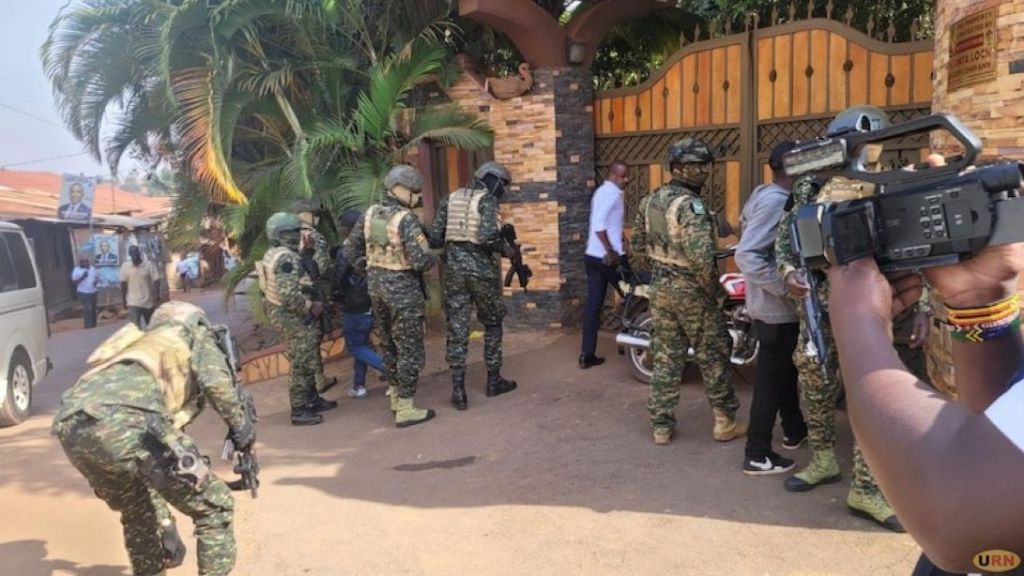
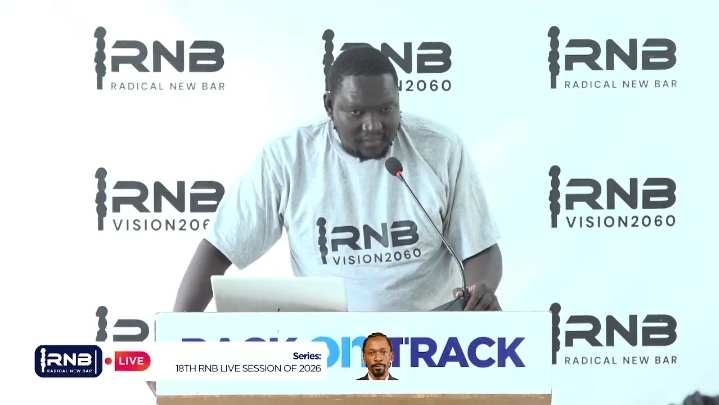


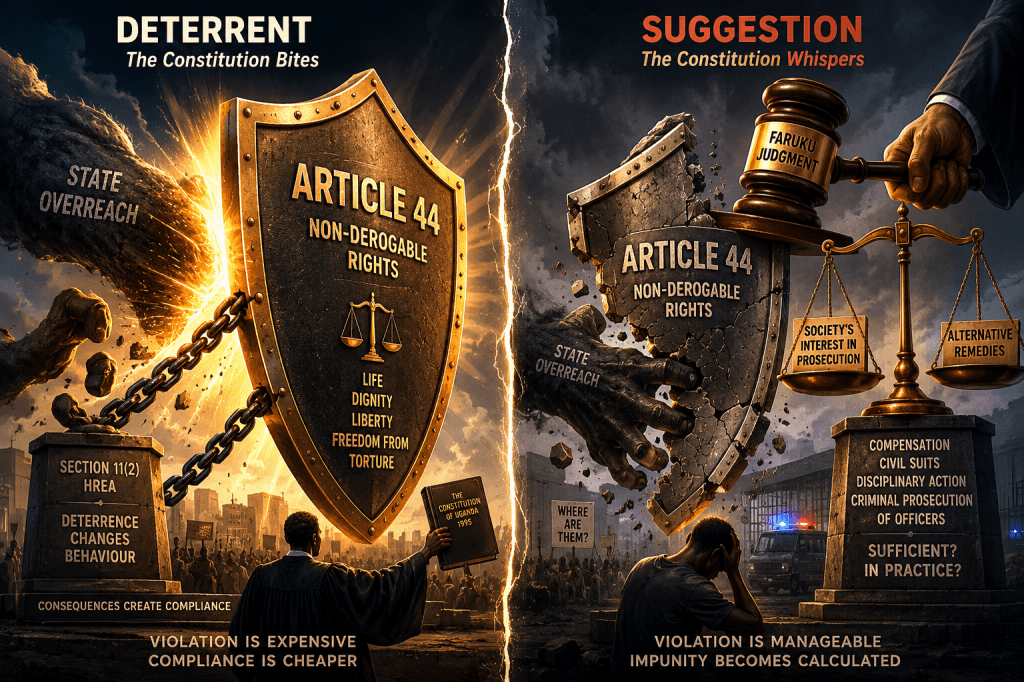


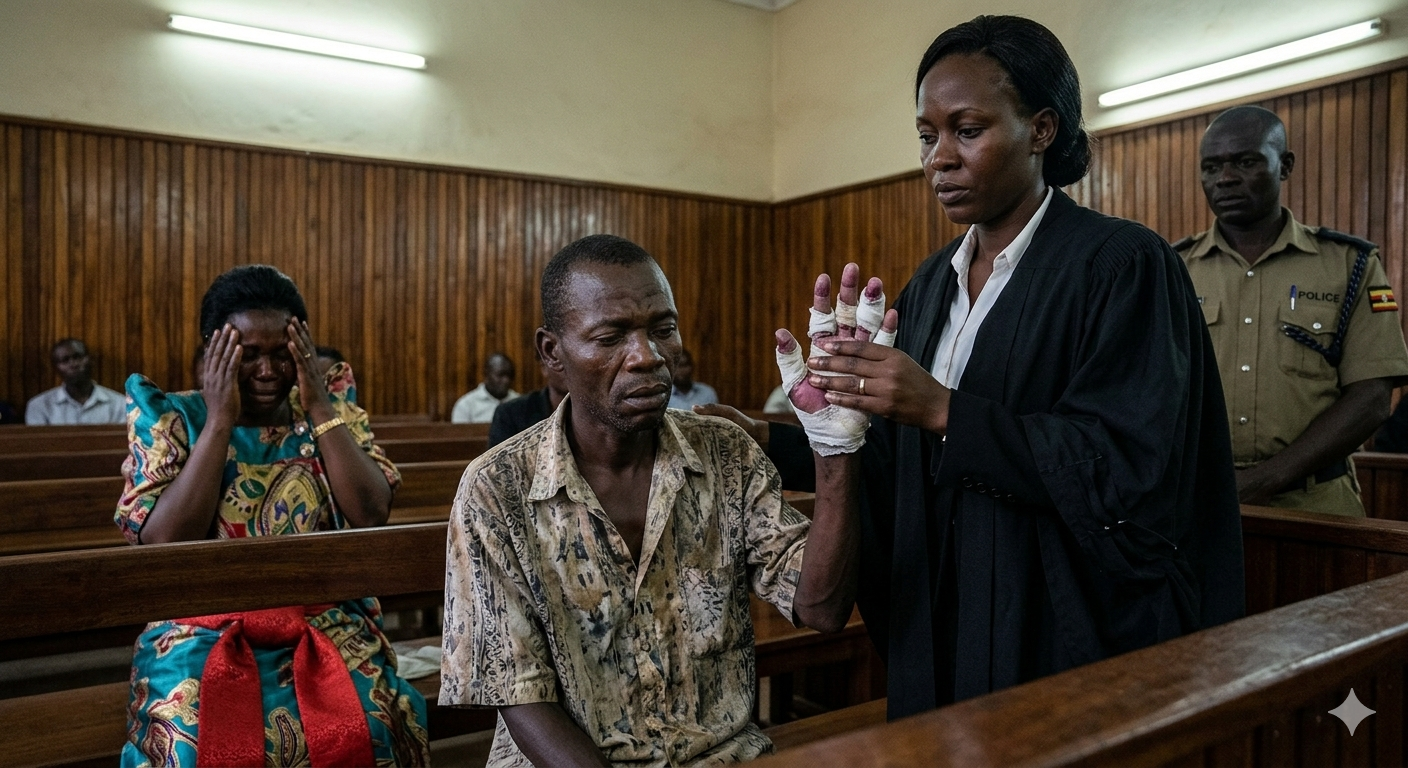
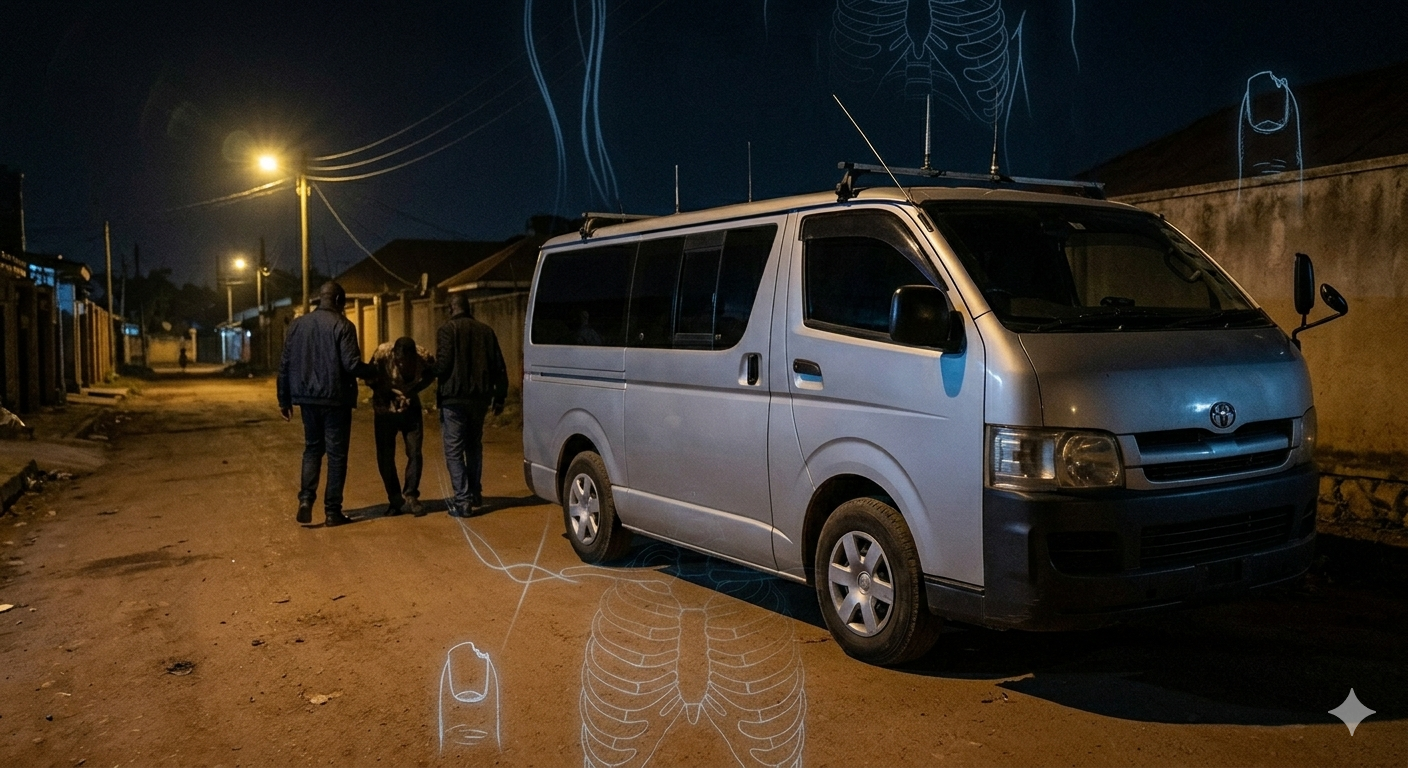

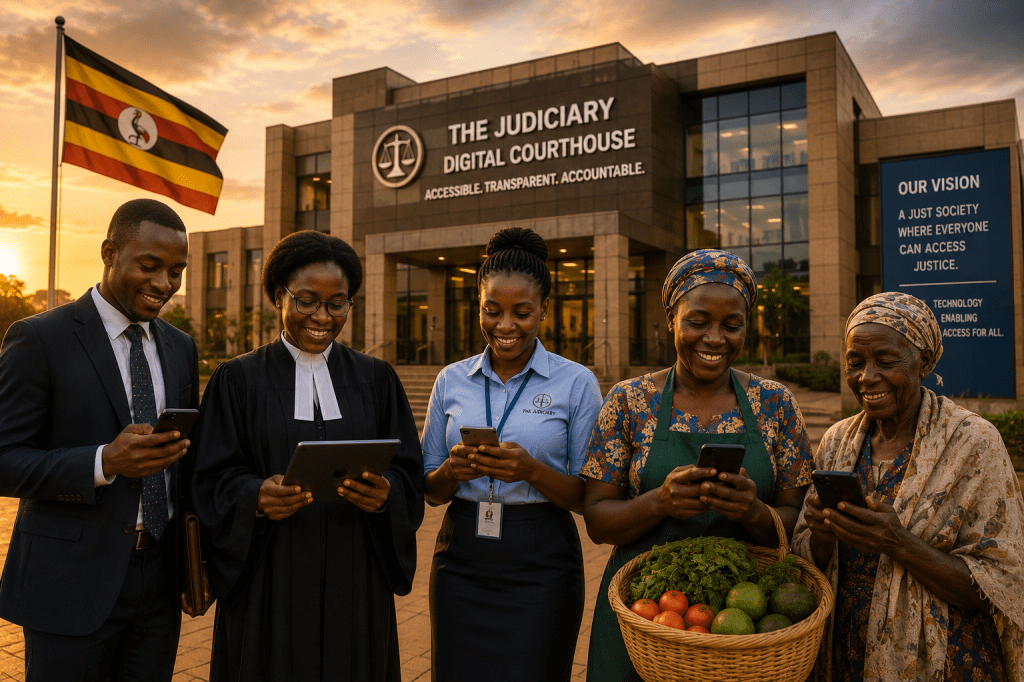


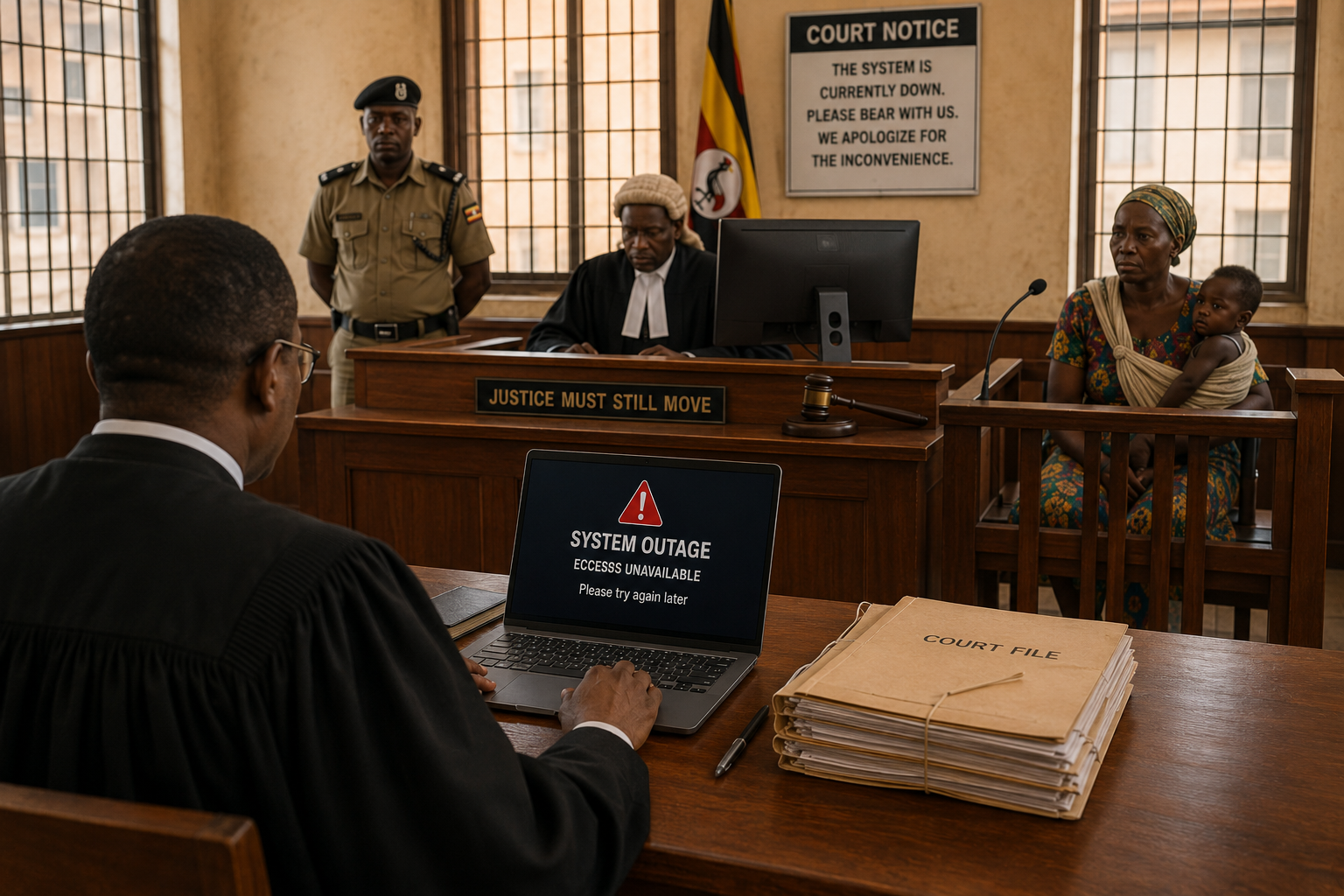
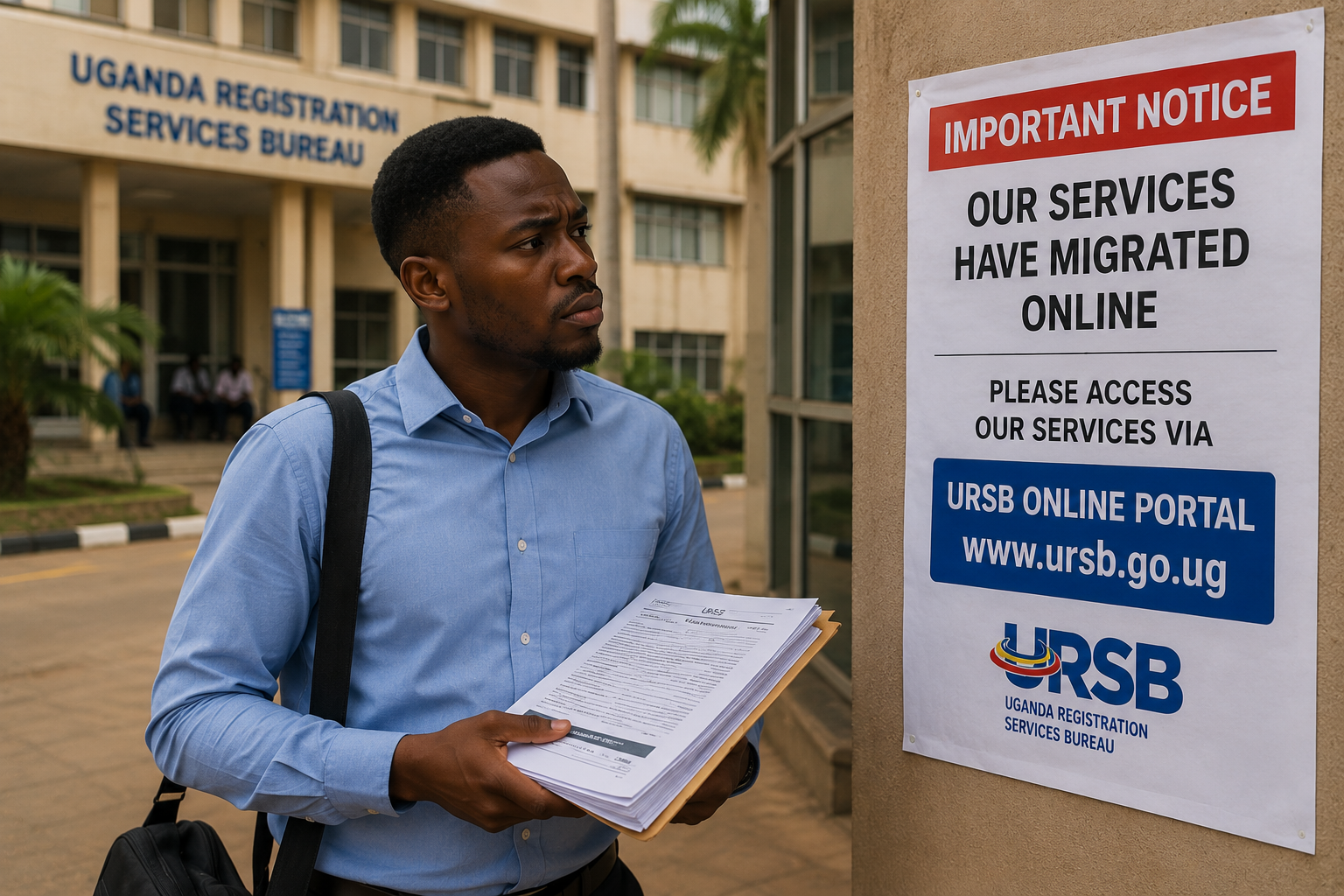

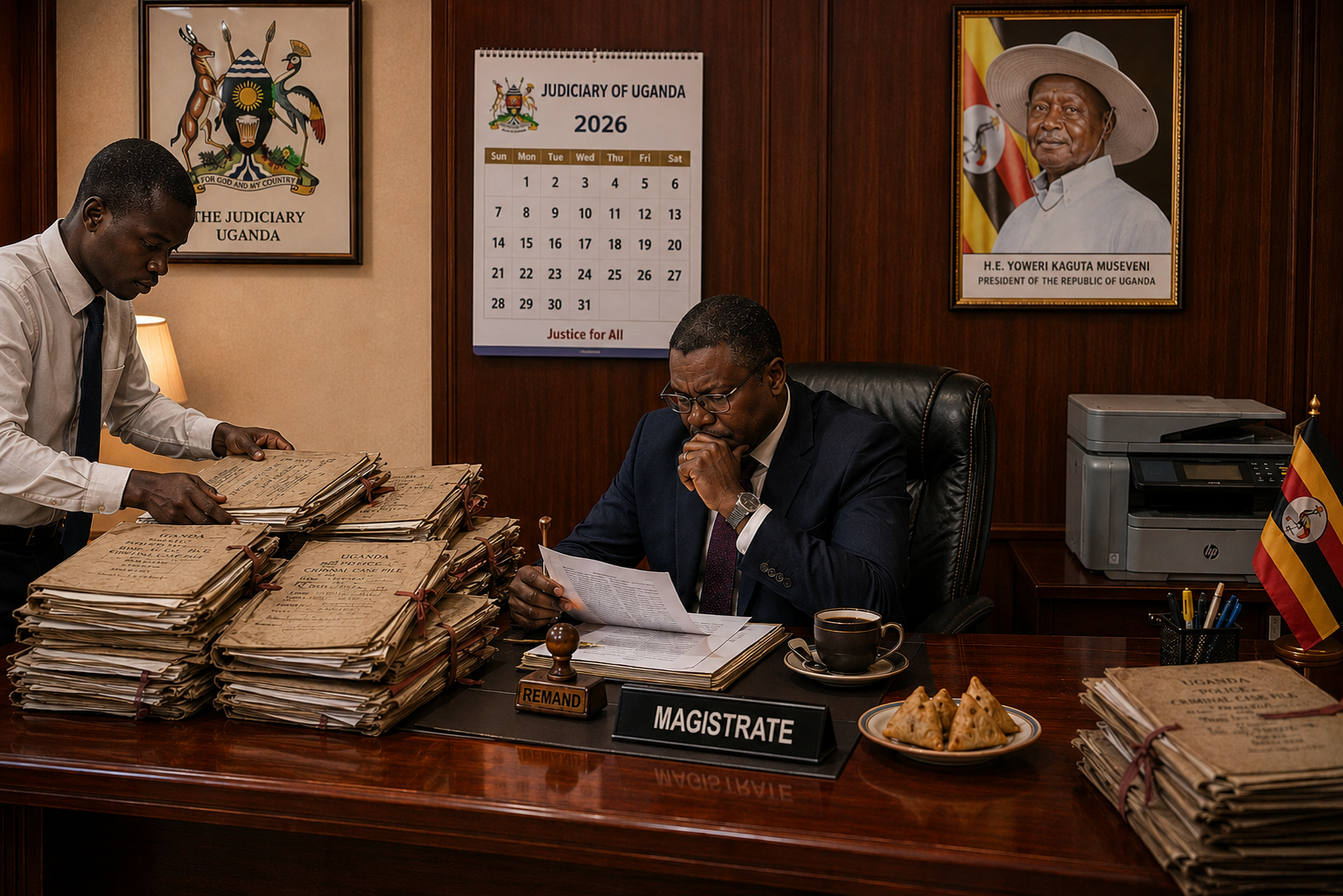

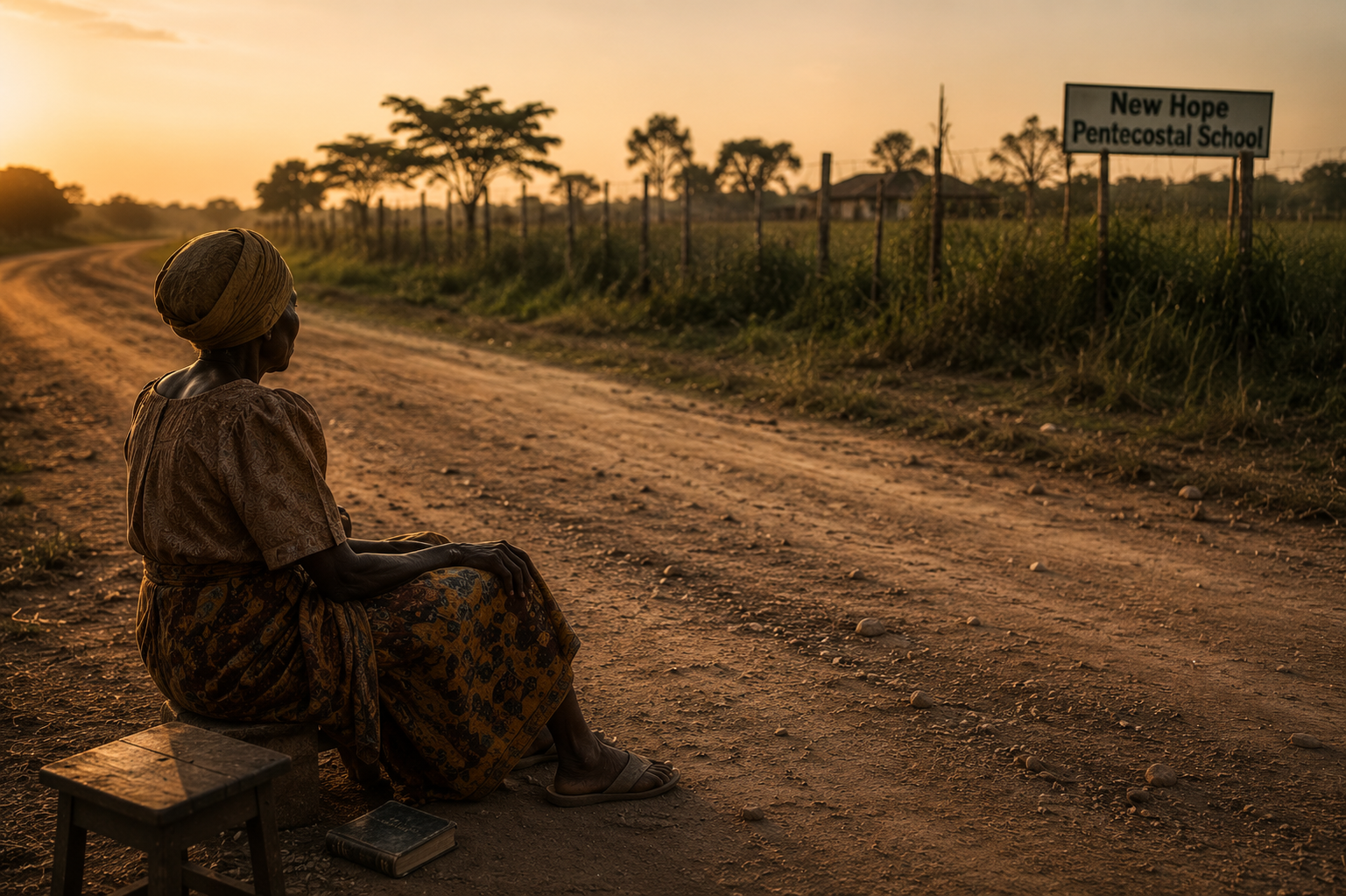
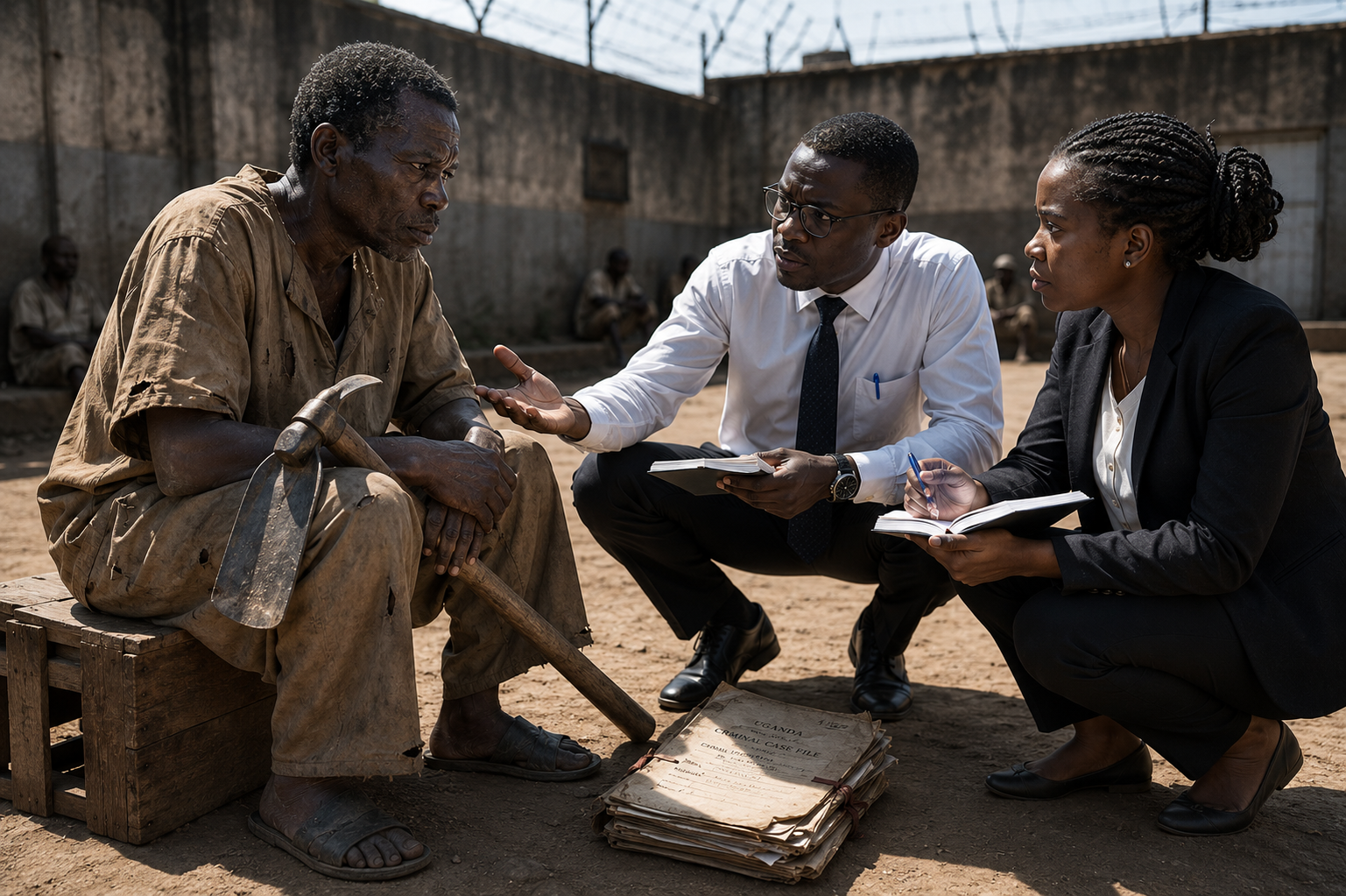
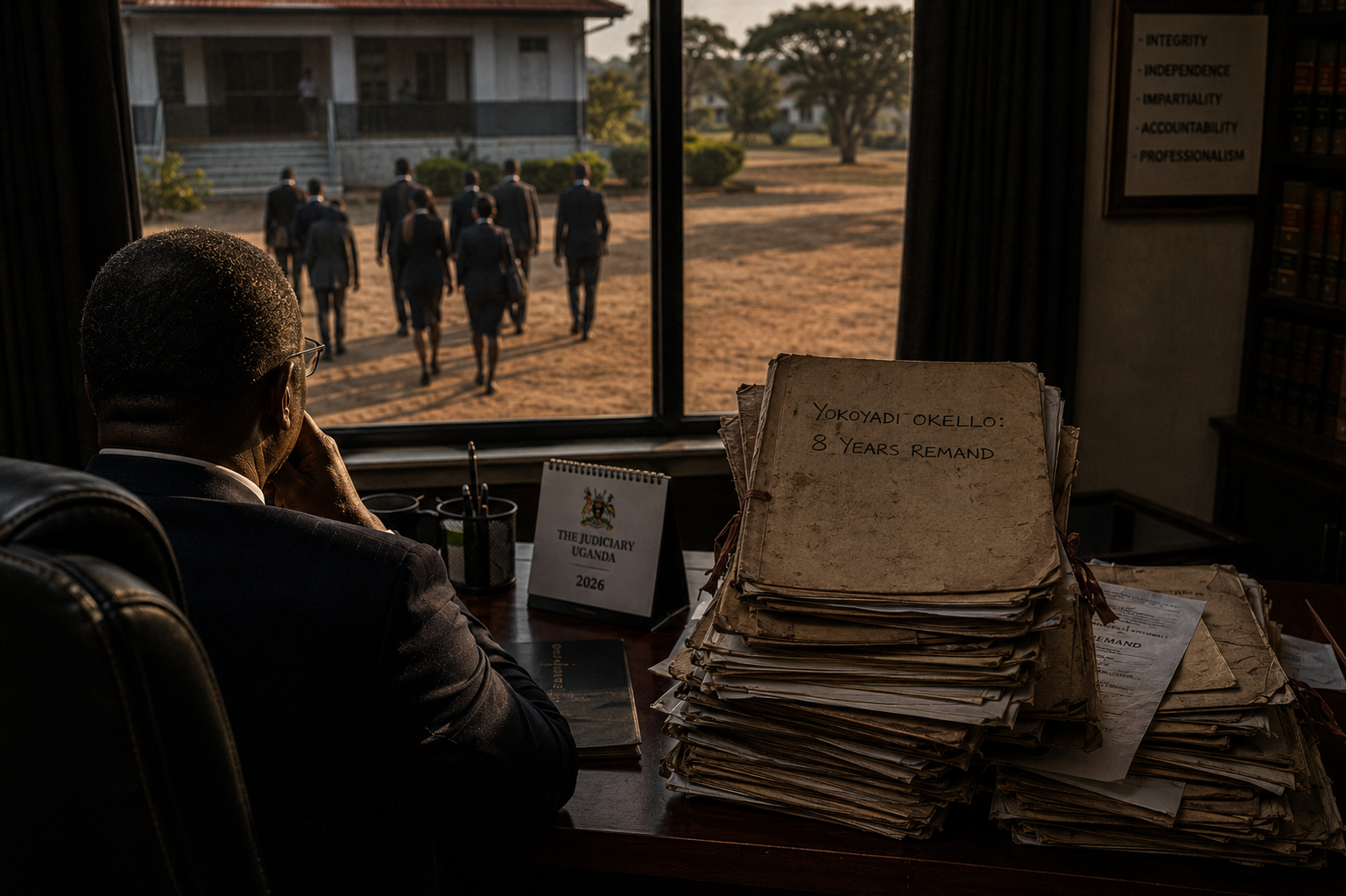
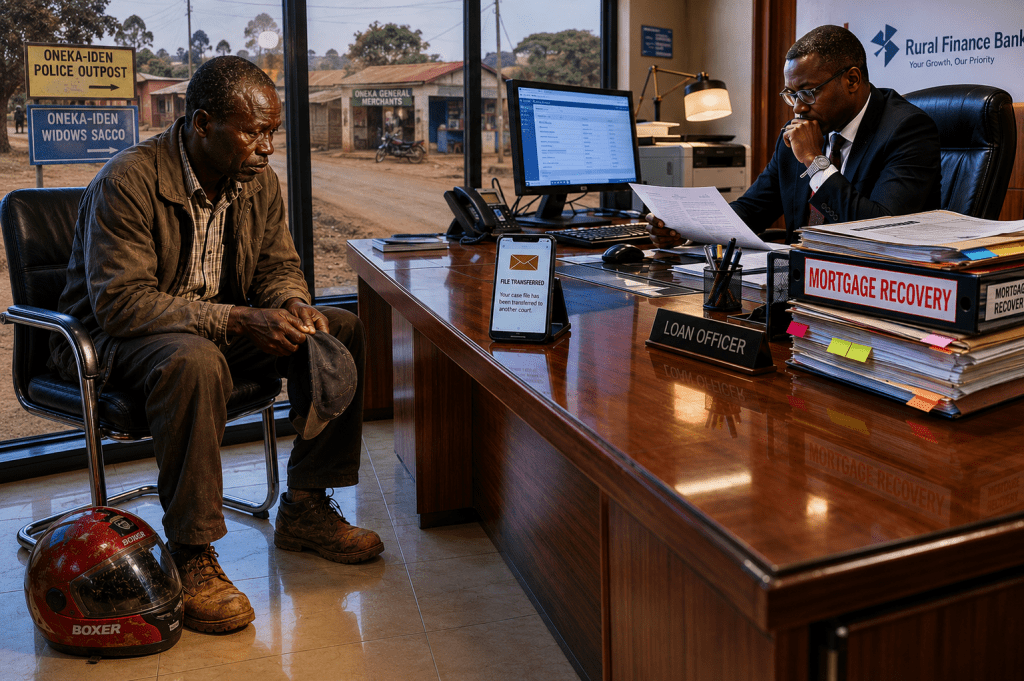

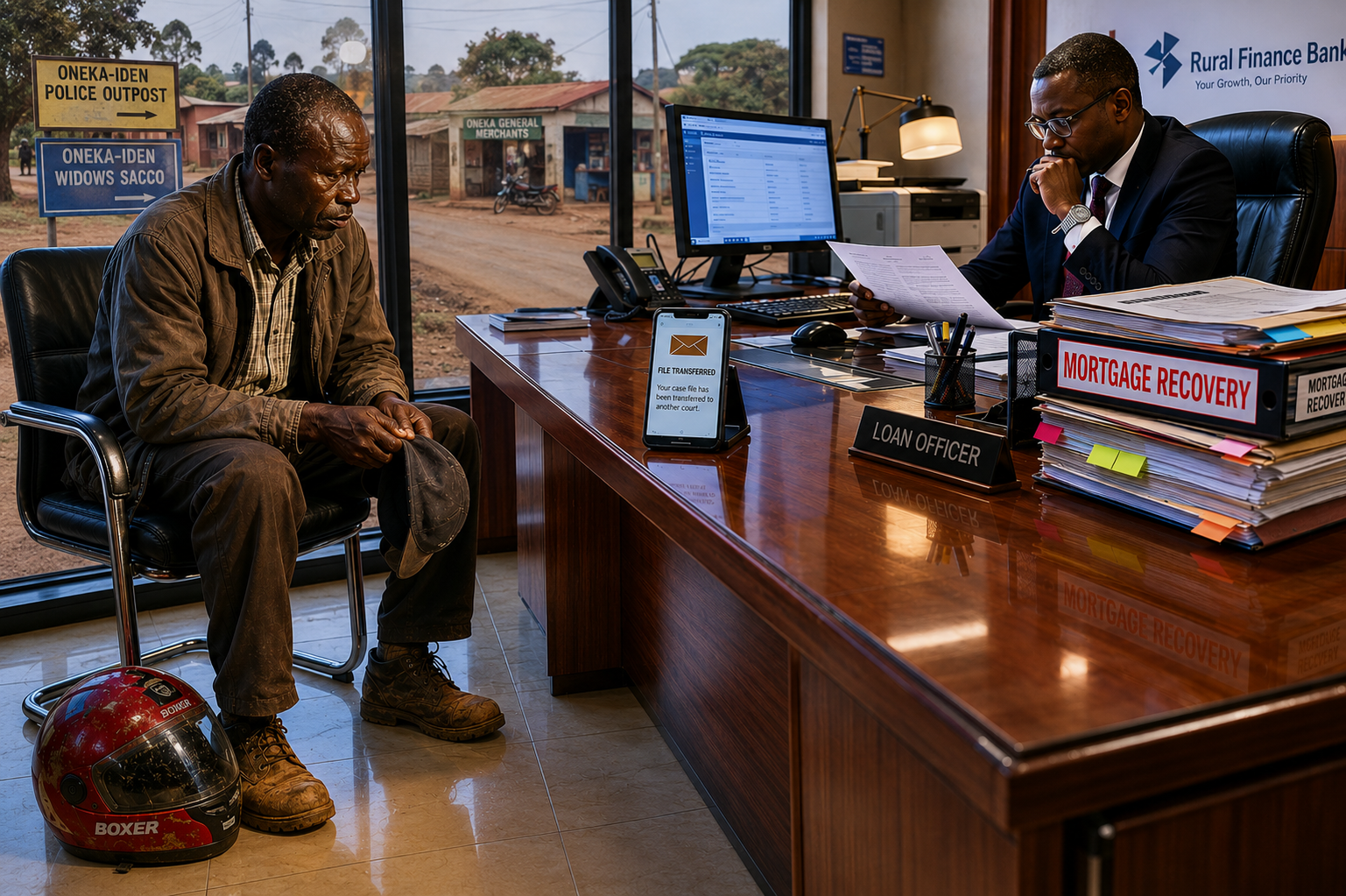
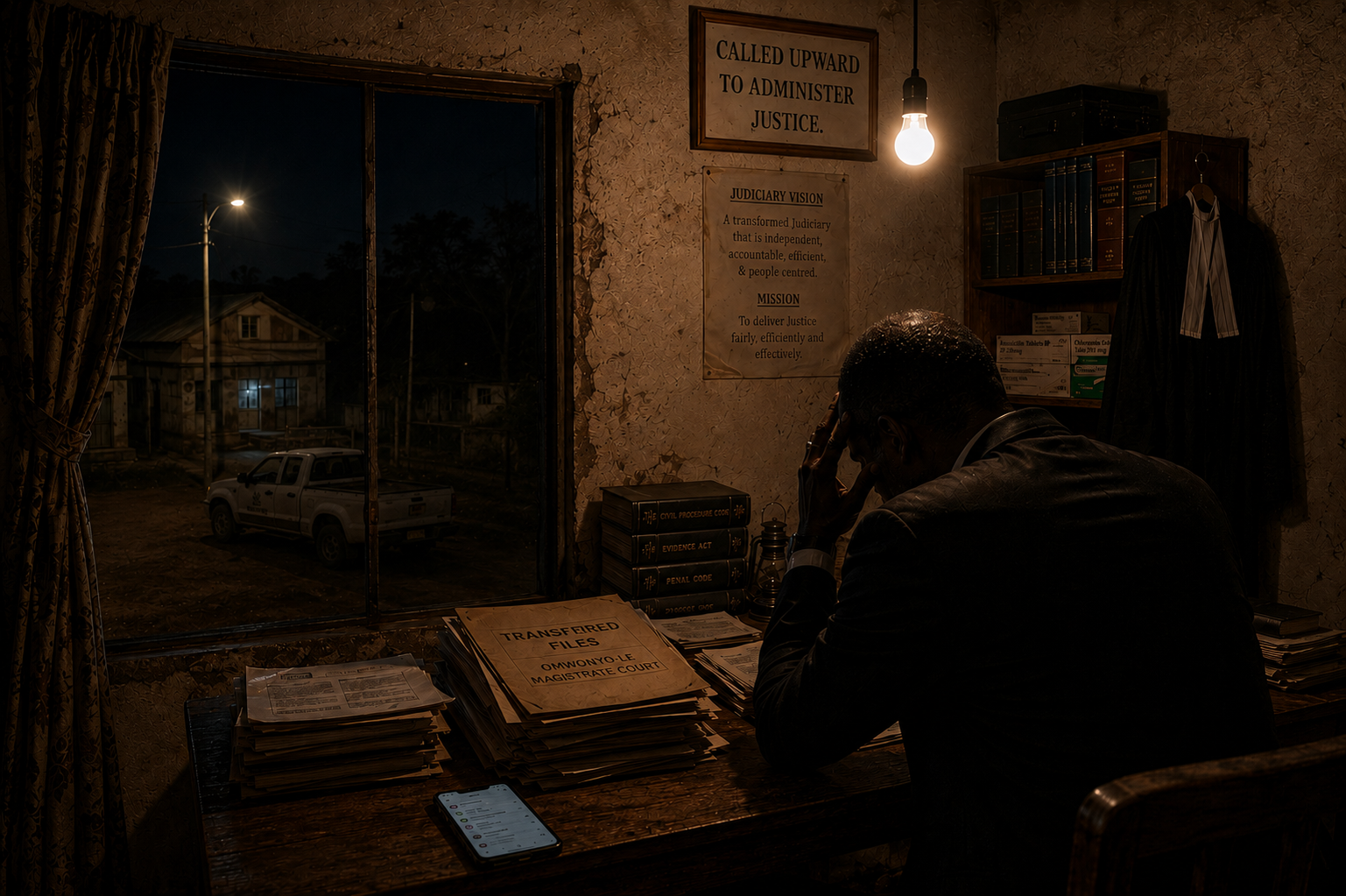
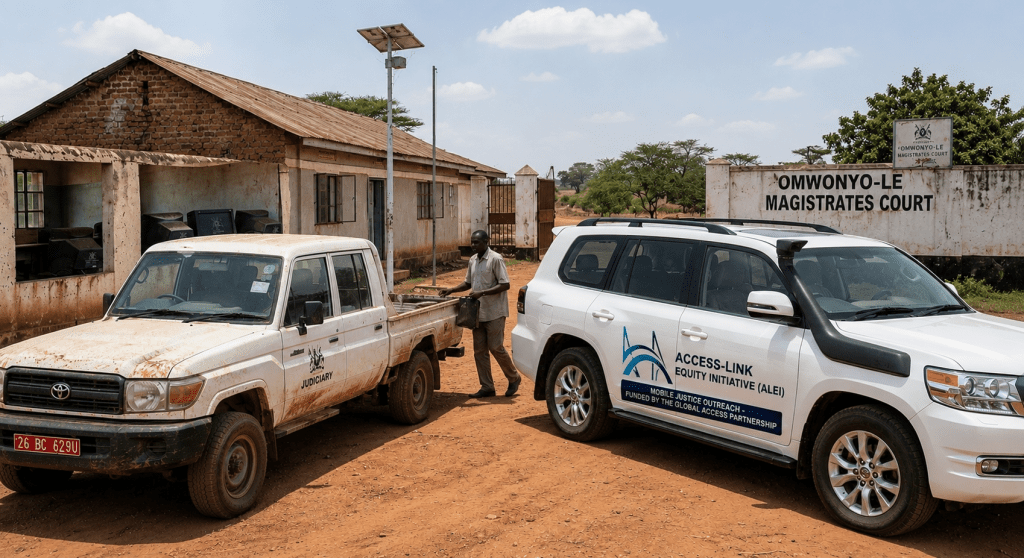

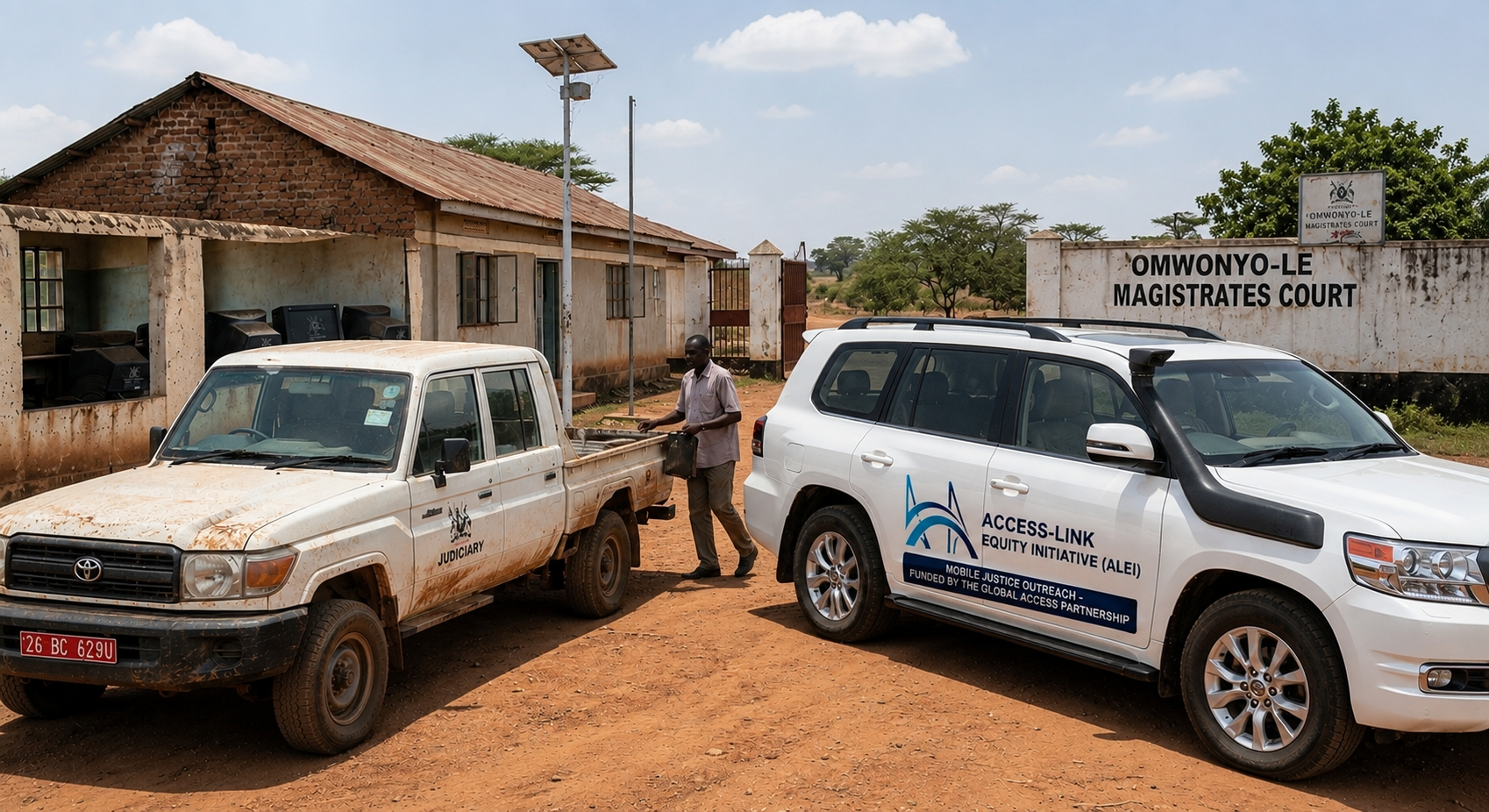
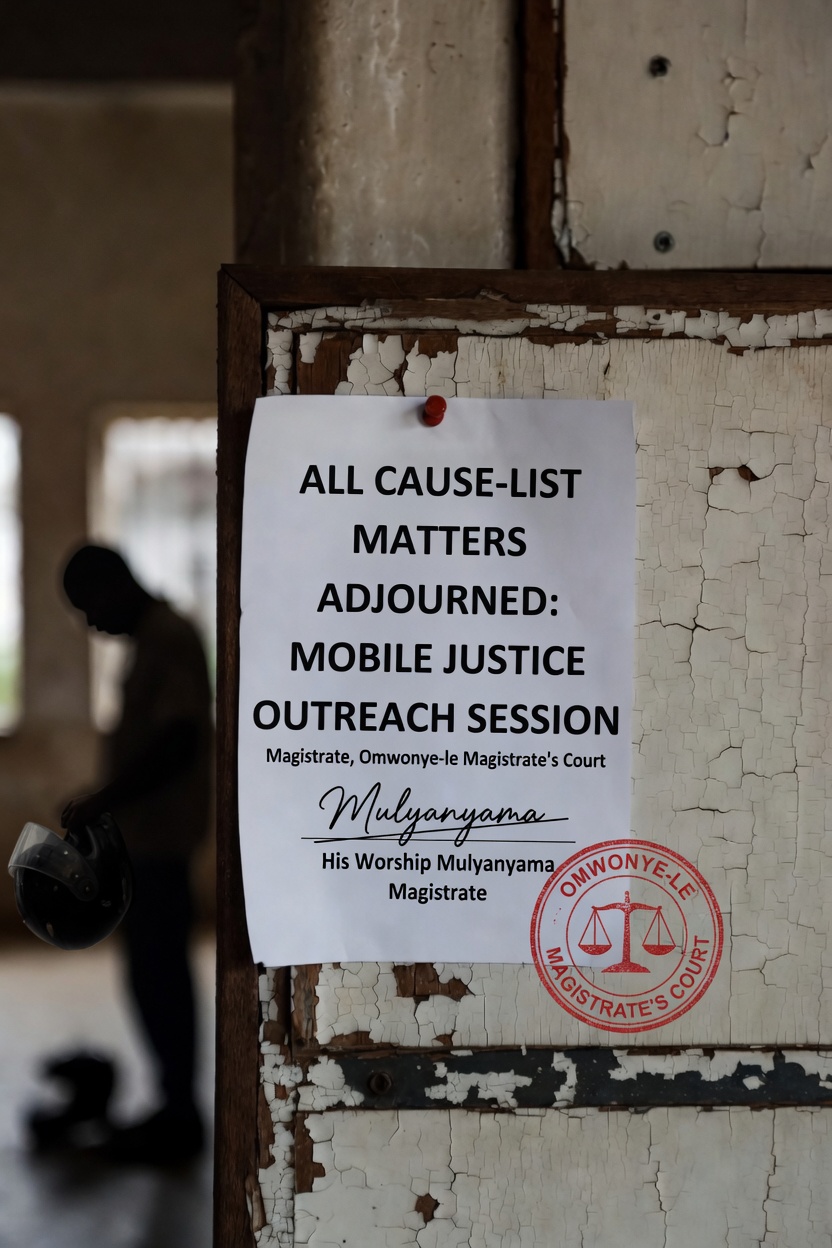
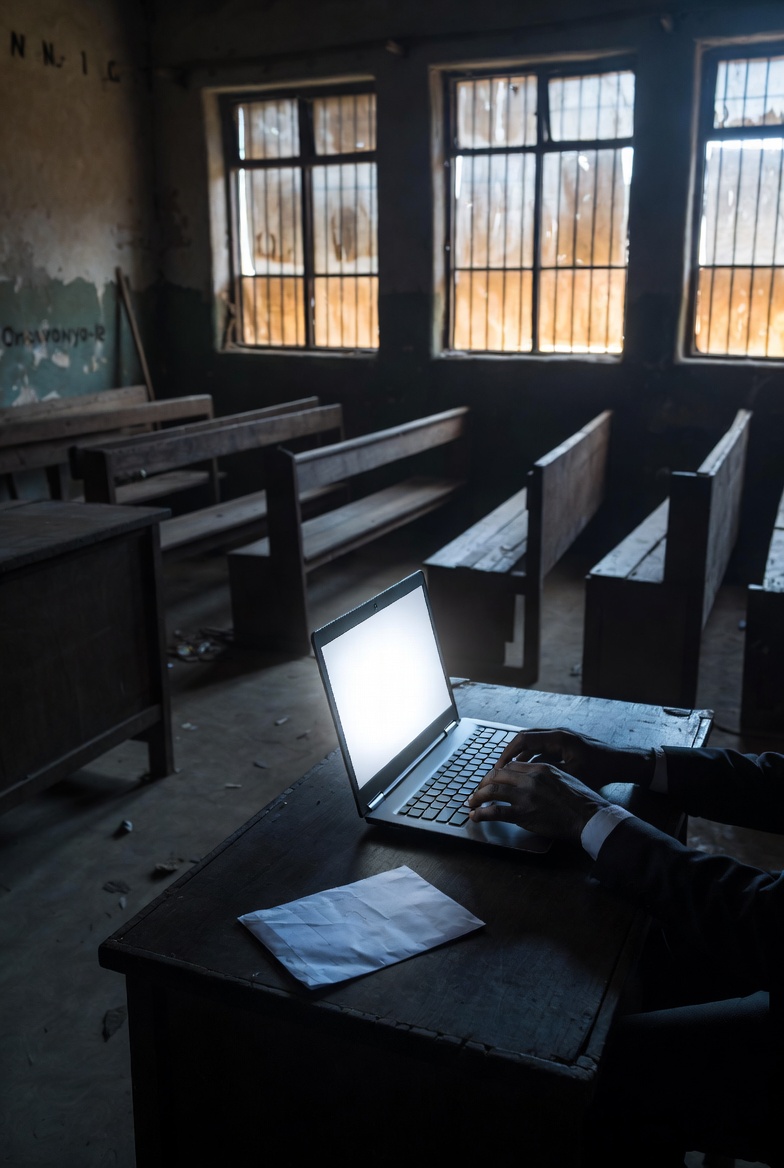
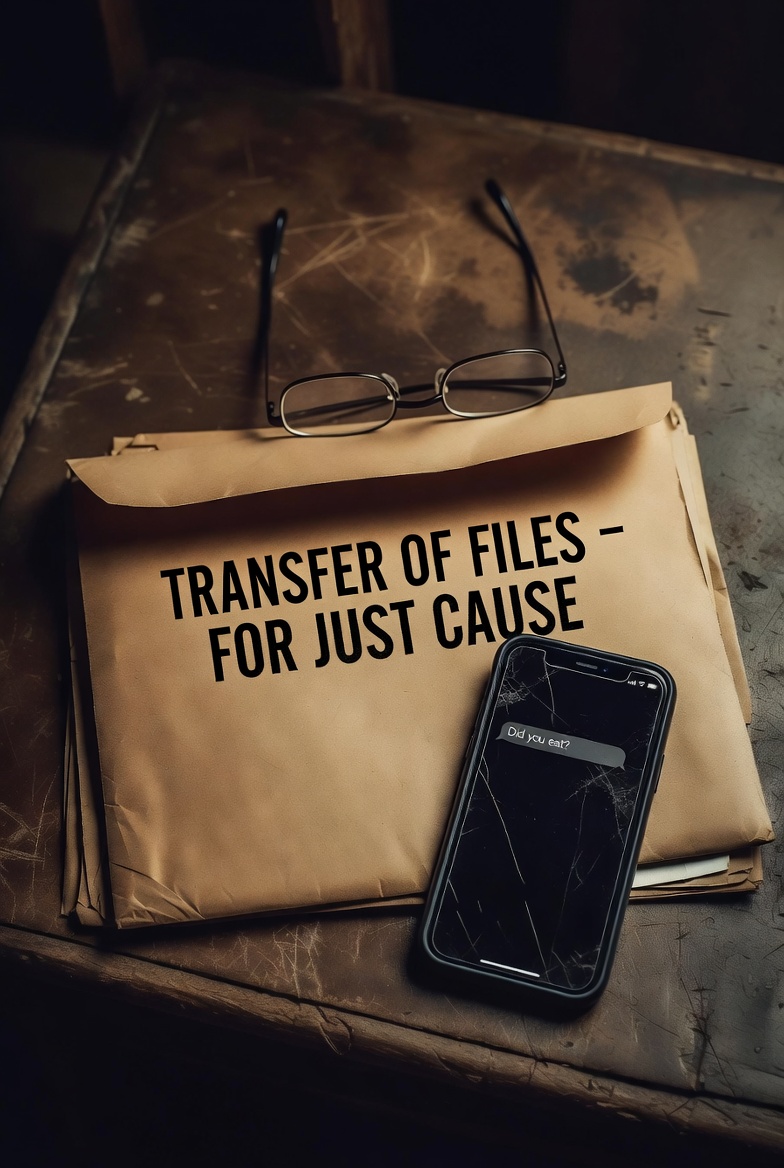


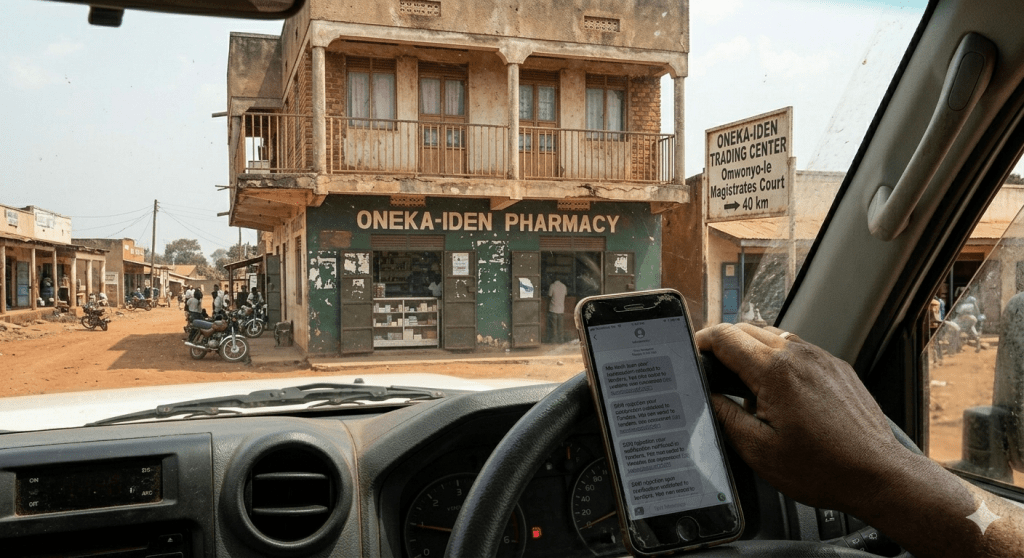
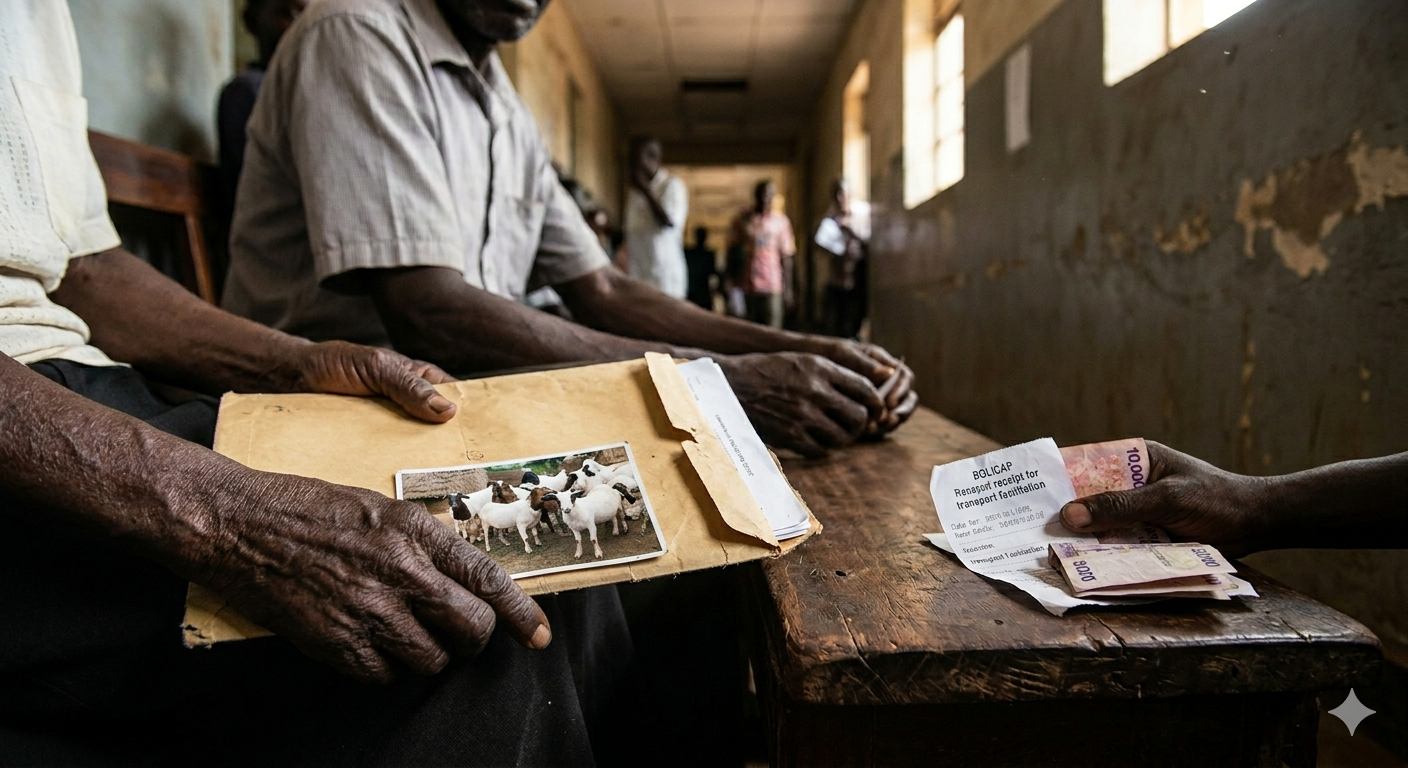
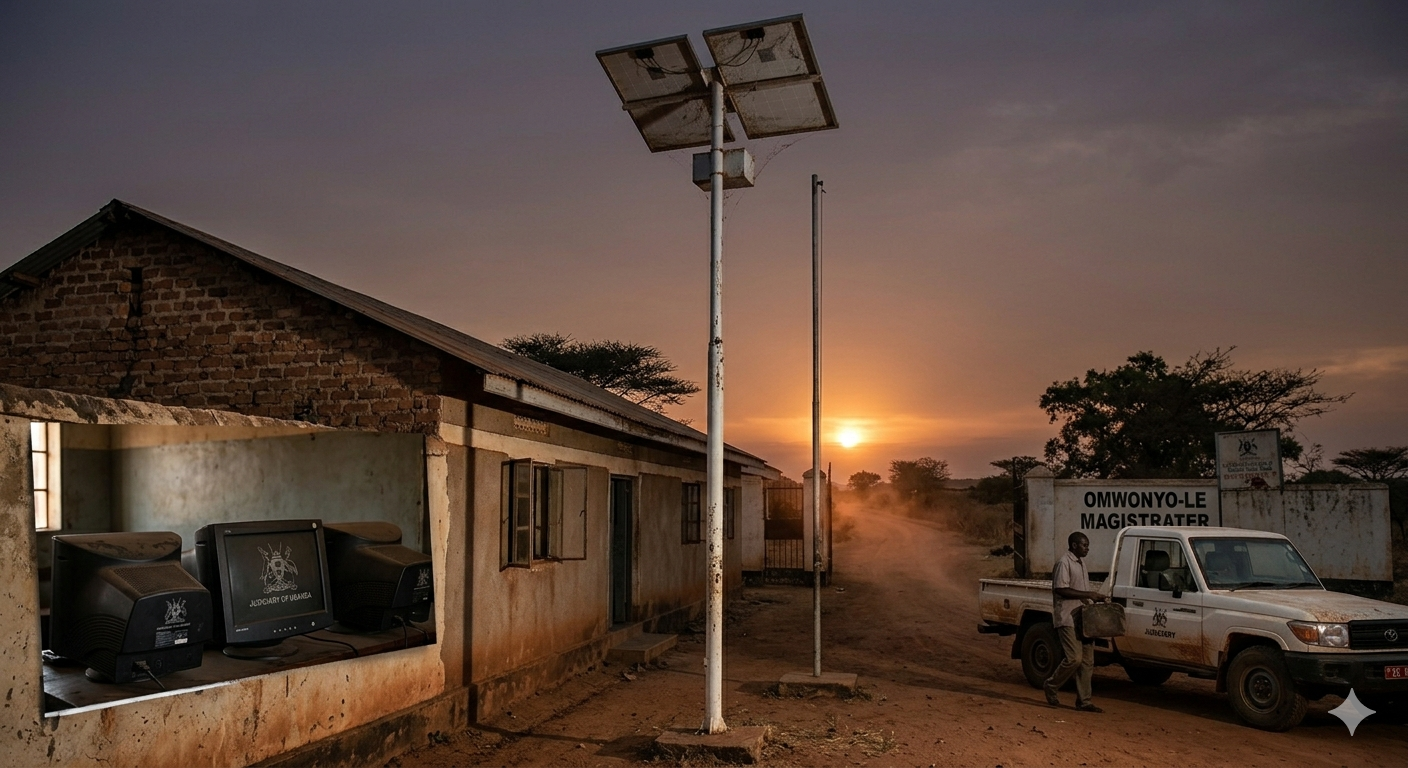


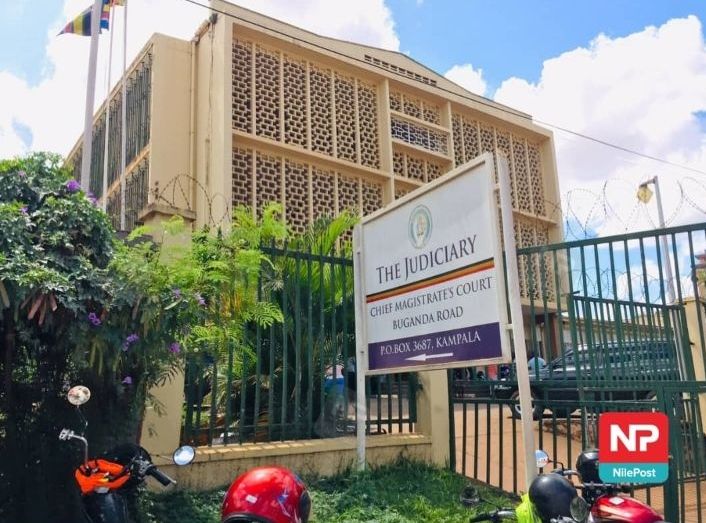
 enenlegalworld